
Fruit
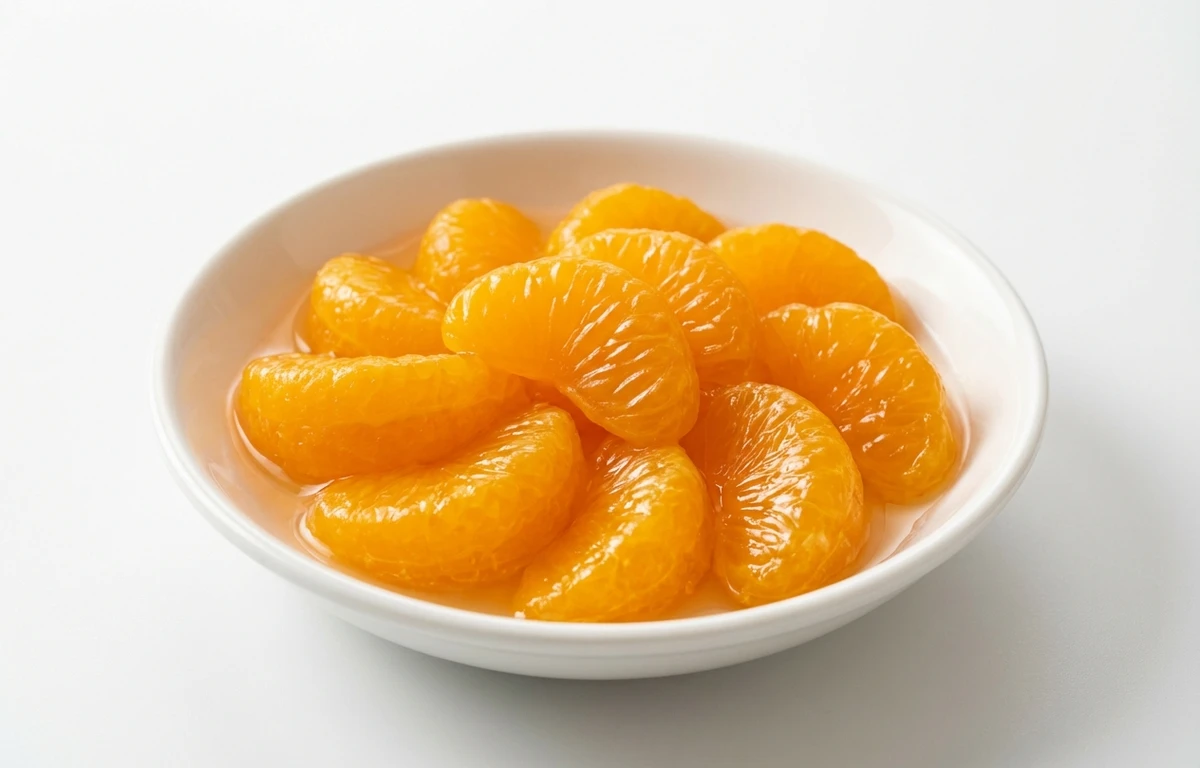
canned tangerine.
VegetarianVeganGluten-freeDairy-freeNut-freePeanut-freeSoy-freeEgg-freeShellfish-freeHoney-freeAlcohol-free
ALSO KNOWN AS
mandarin orange
SERVING
CALORIES
37
PROTEIN
0.62g
CARBS
9.6g
FAT
0.03g
FIBER
0.70g
NUTRITION PROFILE · per 100 g
Everything in this ingredient.
MACRONUTRIENTS
Calories37kcal—
Protein0.62g1%
Carbohydrates9.6g3%
Fiber0.70g3%
Sugar8.9g18%
Total fat0.03g0%
Saturated fat0g0%
Trans fat0g—
Cholesterol0mg0%
Water89.5g—
MINERALS
Sodium5.0mg0%
Potassium133mg3%
Calcium11mg1%
Iron0.27mg2%
Magnesium11mg3%
Phosphorus10mg1%
Zinc0.51mg5%
Copper0.03mg3%
Manganese0.03mg1%
Selenium0.40µg1%
VITAMINS
Vitamin A43µg5%
Vitamin C34.2mg38%
Vitamin D0µg0%
Vitamin E0.10mg1%
Vitamin K0µg0%
Thiamin (B1)0.08mg7%
Riboflavin (B2)0.03mg2%
Niacin (B3)0.45mg3%
Pantothenic acid (B5)0.13mg3%
Vitamin B60.04mg2%
Folate (B9)5.0µg1%
Vitamin B120µg0%
%DV based on a 2,000 cal diet. Source: USDA FoodData Central. A dash in the %DV column means there’s no established Daily Value for that nutrient.
MEASUREMENT CONVERSIONS
How much is what.
1 cup249g
1 tablespoon15.6g
1 teaspoon5.2g
1 ml1g
1 liter1037.5g
HEALTH BENEFITS
Why eat it.
- ✓Provides a convenient source of Vitamin C, which supports immune function and skin health, though levels are lower than in fresh fruit.
- ✓Offers a quick and shelf-stable way to incorporate fruit into the diet, contributing to dietary fiber.
- ✓Contains antioxidants like flavonoids (hesperidin and naringenin) that help protect cells from oxidative damage.
- ✓Can be a source of hydration due to the high water content of the fruit and its packing liquid.
COOKING TIPS
In the kitchen.
- 1Drain thoroughly before adding to green salads, fruit salads (like ambrosia), or yogurt to avoid a watery consistency.
- 2Incorporate into desserts such as fruit tarts, upside-down cakes, or as a topping for cheesecakes and pavlovas.
- 3Use in savory dishes, particularly in Asian-inspired cuisine like sweet and sour chicken or as a component in a glaze for pork or duck.
- 4Reserve the packing liquid (especially if it's 100% juice) to use in smoothies, marinades, or as a base for a simple syrup in beverages.
STORAGE
Keep it fresh.
- Store unopened cans in a cool, dark, and dry place like a pantry for up to 2 years, checking the expiration date.
- After opening, transfer the tangerines and their liquid to an airtight, non-metallic container (glass or plastic) and refrigerate for up to 5-7 days.
FAQ
Frequently asked questions.
Are canned tangerines healthy?
Canned tangerines are a healthy, convenient source of Vitamin C and antioxidants like hesperidin, which support immune function and skin health. While they contain slightly less Vitamin C than fresh fruit, they still provide beneficial dietary fiber and hydration. For the healthiest option, choose varieties packed in water or 100% juice to avoid added sugars.
How many calories and carbs are in canned tangerines?
A 100g serving of canned tangerines typically contains 37 calories and 9.57g of carbohydrates. They are very low in fat (0.03g) and provide a small amount of protein (0.62g), making them a light and refreshing snack.
Are canned tangerines keto-friendly?
Canned tangerines are moderately high in natural sugars, containing nearly 10g of carbs per 100g. While they can be consumed in small portions, they may not be ideal for a strict ketogenic diet, especially if they are packed in heavy syrup which adds significant sugar content.
Are canned tangerines vegan and gluten-free?
Yes, canned tangerines are naturally vegan and gluten-free. They consist of fruit segments, water or juice, and sometimes sugar or citric acid, none of which contain animal products or gluten-containing grains.
How should I store canned tangerines after opening?
Once opened, transfer the tangerines and their liquid into a glass or plastic airtight container and store them in the refrigerator. Never store them in the original open metal can, as the tin can leach into the food and affect the flavor.
How long do canned tangerines last?
Unopened cans are shelf-stable and can last for 1 to 2 years in a cool, dry place. Once opened and refrigerated in a proper container, they should be consumed within 3 to 5 days for the best quality.
What is the best way to use canned tangerines in cooking?
Canned tangerines are versatile and can be added to green salads, fruit salads, or used as a topping for yogurt and oatmeal. They are also popular in baking, particularly in 'Pig Pickin' Cake' or as a garnish for tarts and cheesecakes.
Can I use the liquid from the can?
Yes, the packing liquid is flavorful and can be used in smoothies, as a base for salad dressings, or to sweeten fruit punches. If the fruit is packed in heavy syrup, be mindful that the liquid contains a high concentration of added sugar.
Is there a nutritional difference between tangerines in juice versus syrup?
Tangerines packed in 100% juice have no added sugars and fewer calories than those in syrup. Fruit in heavy syrup can have double the sugar content, so it is recommended to drain and rinse the fruit if you are monitoring your sugar intake.
Are canned tangerines good for weight loss?
Canned tangerines can be a helpful part of a weight loss diet because they are low in calories and provide fiber, which helps with satiety. To maximize weight loss benefits, opt for the 'no sugar added' versions to keep the calorie count low.



















