
Beverage
instant decaffeinated lemon tea diet.
VegetarianVeganGluten-freeDairy-freeNut-freePeanut-freeSoy-freeEgg-freeShellfish-freeHoney-freeAlcohol-free
ALSO KNOWN AS
diet lemon tea
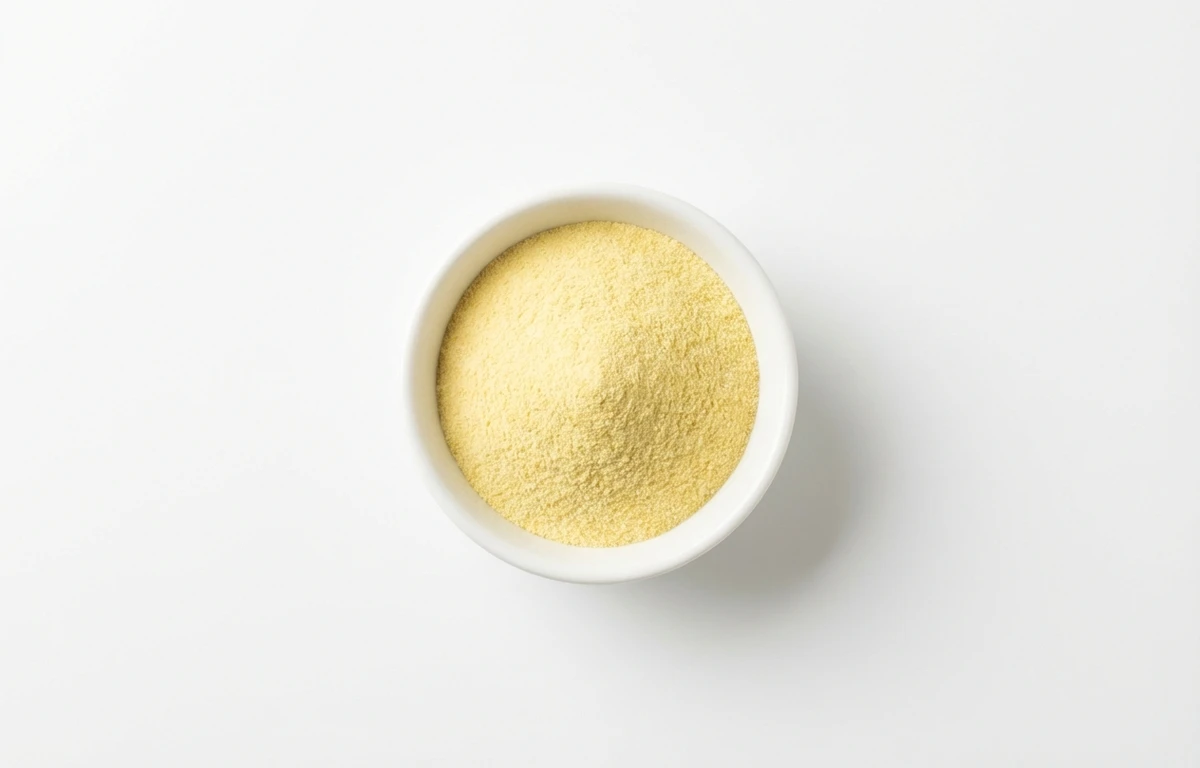
SERVING
CALORIES
338
PROTEIN
3.3g
CARBS
85.4g
FAT
0.60g
FIBER
0g
NUTRITION PROFILE · per 100 g
Everything in this ingredient.
MACRONUTRIENTS
Calories338kcal—
Protein3.3g7%
Carbohydrates85.4g31%
Fiber0g0%
Sugar1.9g4%
Total fat0.60g1%
Saturated fat0g0%
Trans fat0g—
Cholesterol0mg0%
Water3.5g—
MINERALS
Sodium412mg18%
Potassium2568mg55%
Calcium21mg2%
Iron8.9mg49%
Magnesium125mg30%
Phosphorus140mg11%
Zinc0.89mg8%
Copper0.12mg13%
Manganese30.4mg1320%
Selenium1.8µg3%
VITAMINS
Vitamin A0µg0%
Vitamin C0mg0%
Vitamin D0µg0%
Vitamin E0mg0%
Vitamin K0µg0%
Thiamin (B1)0mg0%
Riboflavin (B2)0.34mg26%
Niacin (B3)3.9mg24%
Pantothenic acid (B5)1.5mg31%
Vitamin B60.12mg7%
Folate (B9)35µg9%
Vitamin B120µg0%
%DV based on a 2,000 cal diet. Source: USDA FoodData Central. A dash in the %DV column means there’s no established Daily Value for that nutrient.
MEASUREMENT CONVERSIONS
How much is what.
1 cup76.8g
1 tablespoon4.8g
1 teaspoon1.6g
1 ml0.3g
1 liter320g
HEALTH BENEFITS
Why eat it.
- ✓Provides a low-calorie or zero-calorie hydration option, which can aid in weight management.
- ✓Being decaffeinated, it allows for hydration without the stimulating effects of caffeine, making it suitable for any time of day.
- ✓Contributes to daily fluid intake, which is essential for bodily functions like temperature regulation and nutrient transport.
- ✓May contain some antioxidants (flavonoids) from the tea extract, which help combat oxidative stress.
COOKING TIPS
In the kitchen.
- 1To avoid clumping, mix the powder with a small amount of room temperature or warm water to form a paste before adding the rest of the cold water and ice.
- 2Adjust the powder-to-water ratio to customize the sweetness and flavor intensity to your preference.
- 3Use as a quick flavor base for a mocktail by mixing with sparkling water and garnishing with fresh mint or a lemon slice.
- 4For a warm, soothing beverage, dissolve the powder directly into hot (not boiling) water.
STORAGE
Keep it fresh.
- Store the unopened or opened powder container in a cool, dry place like a pantry, away from moisture and direct sunlight to prevent clumping.
- Ensure the lid is tightly sealed after each use to maintain freshness and prevent absorption of odors.
- Once prepared, refrigerate the liquid tea in a covered pitcher and consume within 2-3 days for best quality.
FAQ
Frequently asked questions.
Is instant decaffeinated lemon diet tea healthy?
When prepared, instant decaffeinated lemon diet tea is generally considered a healthy beverage choice due to its very low calorie and carbohydrate content. It provides hydration without the stimulating effects of caffeine and can contribute to your daily fluid intake, which is essential for overall bodily functions. Some formulations may also offer a small amount of antioxidants from the tea extract.
What are the nutritional values of instant decaffeinated lemon diet tea?
The provided nutritional data (338 calories, 85.4g carbs per 100g) refers to the dry powder. When prepared according to instructions, a single serving of instant decaffeinated lemon diet tea typically contains negligible calories, carbohydrates, protein, and fat, making it a very low-energy beverage. It's designed to be a diet-friendly option.
Can instant decaffeinated lemon diet tea aid in weight management?
Yes, instant decaffeinated lemon diet tea can be beneficial for weight management. By offering a flavorful, low-calorie alternative to sugary beverages, it helps reduce overall calorie intake. Staying well-hydrated is also crucial for metabolism and can help you feel full, potentially reducing overeating.
Is instant decaffeinated lemon diet tea suitable for diabetics?
Most instant decaffeinated lemon diet teas are formulated with artificial sweeteners or sugar alcohols to keep the carbohydrate and sugar content very low, making them generally suitable for diabetics. However, it's always best to check the specific product's ingredient list and nutritional panel to confirm sugar content and consult with a healthcare professional.
Is instant decaffeinated lemon diet tea keto-friendly?
Given its 'diet' formulation, instant decaffeinated lemon diet tea is typically very low in net carbohydrates when prepared, making it generally suitable for a ketogenic diet. Most brands use non-caloric sweeteners that do not impact blood sugar. Always verify the specific product's carb count per serving to ensure it fits your daily macros.
Is instant decaffeinated lemon diet tea vegan and gluten-free?
Most instant decaffeinated lemon diet teas are inherently vegan and gluten-free, as they are primarily made from tea extract, citric acid, and sweeteners. However, cross-contamination or specific additives can occur. For strict dietary needs, always check the product's packaging for certifications or allergen statements.
How do you prepare instant decaffeinated lemon diet tea?
Preparing instant decaffeinated lemon diet tea is very simple. Typically, you just add the recommended amount of powder (e.g., one teaspoon or one sachet) to a cup of hot or cold water, then stir until fully dissolved. Adjust the amount of powder to your taste preference for strength.
What does instant decaffeinated lemon diet tea taste like?
Instant decaffeinated lemon diet tea generally offers a refreshing balance of mild tea flavor with a prominent, zesty lemon tang. Because it's a 'diet' product, it will have a sweet taste provided by artificial sweeteners, which might have a slightly different profile than sugar-sweetened beverages.
How should I store instant decaffeinated lemon diet tea?
To maintain its freshness and prevent clumping, instant decaffeinated lemon diet tea powder should be stored in a cool, dry place, away from direct sunlight and moisture. Ensure the container is tightly sealed after each use. Refrigeration is not typically necessary.
Does instant decaffeinated lemon diet tea contain caffeine?
No, instant decaffeinated lemon diet tea is specifically processed to remove most of its caffeine content. While 'decaffeinated' products may contain trace amounts (typically less than 2-5 mg per serving), it is significantly lower than regular tea and generally considered caffeine-free for most consumers.



















