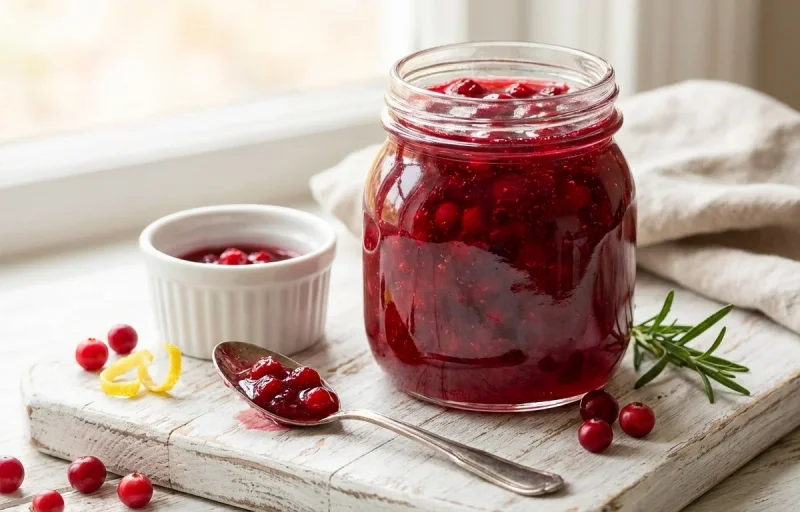
Other1 recipes
lingonberries.
VegetarianVeganGluten-freeDairy-freeNut-freePeanut-freeSoy-freeEgg-freeShellfish-freeHoney-freeAlcohol-freeHalalKosher
ALSO KNOWN AS
partridgeberrymountain cranberrycowberries
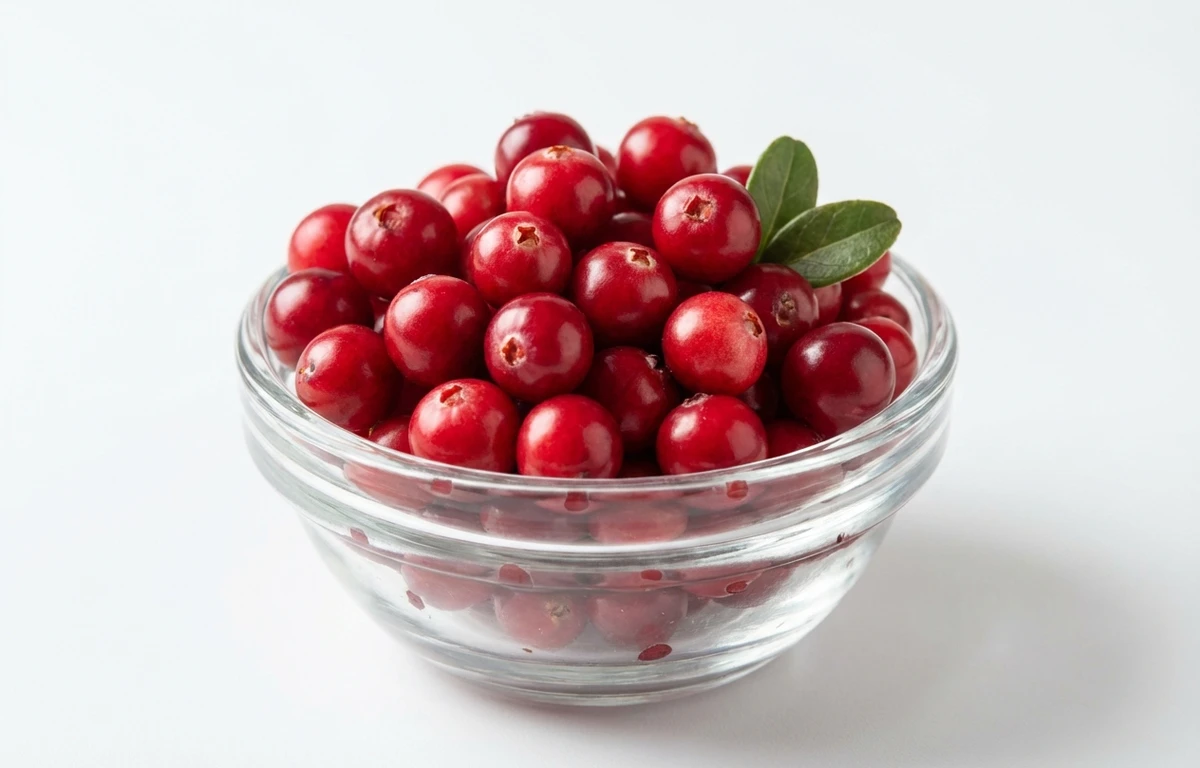
SERVING
CALORIES
54
PROTEIN
0.70g
CARBS
13.7g
FAT
0.50g
FIBER
3.1g
This ingredient is flagged as naturally gluten-free. Per 100 g, it provides 11.9 µg of vitamin K.
NUTRITION PROFILE · per 100 g
Everything in this ingredient.
MACRONUTRIENTS
Calories54kcal—
Protein0.70g1%
Carbohydrates13.7g5%
Fiber3.1g11%
Sugar7.4g15%
Total fat0.50g1%
Saturated fat0.03g0%
Cholesterol0mg0%
Water85.5g—
MINERALS
Sodium1.0mg0%
Potassium70mg1%
Calcium10mg1%
Iron0.20mg1%
Magnesium7.0mg2%
Phosphorus13mg1%
Zinc0.09mg1%
Copper0.06mg7%
Manganese0.30mg13%
Selenium0.10µg0%
VITAMINS
Vitamin A3.0µg0%
Vitamin C13mg14%
Vitamin D0µg0%
Vitamin E0.80mg5%
Vitamin K11.9µg10%
Thiamin (B1)0.02mg2%
Riboflavin (B2)0.02mg2%
Niacin (B3)0.20mg1%
Pantothenic acid (B5)0.08mg2%
Vitamin B60.02mg1%
Folate (B9)1.0µg0%
%DV based on a 2,000 cal diet. Source: USDA FoodData Central. A dash in the %DV column means there’s no established Daily Value for that nutrient.
MEASUREMENT CONVERSIONS
How much is what.
1 cup145g
1 tablespoon9.1g
1 teaspoon3g
1 ml0.6g
1 liter606.7g
HEALTH BENEFITS
Why eat it.
- ✓Good source of manganese, vitamin C, and vitamin E.
- ✓High in dietary fiber, aiding in digestive health.
COOKING TIPS
In the kitchen.
- 1Balance their natural tartness with sugar or other sweeteners when making sauces, jams, or desserts.
- 2Create a classic Scandinavian sauce by simmering lingonberries with sugar and a little water. This sauce pairs exceptionally well with savory dishes like meatballs, game meats, and roasted poultry.
- 3Incorporate them into baked goods like muffins, pies, and breads for a burst of tart flavor.
- 4Use lingonberry juice or syrup as a base for cocktails, mocktails, or vinaigrettes.
- 5They can be used fresh in salads or as a garnish for desserts.
STORAGE
Keep it fresh.
- Store fresh lingonberries in a breathable container in the refrigerator for up to one week.
- For long-term storage, freeze them in a single layer on a baking sheet before transferring to an airtight container or freezer bag, where they can last for up to a year.
- Lingonberry jam or preserves should be refrigerated after opening and will typically last for several weeks.
FAQ
Frequently asked questions.
How many calories and carbs are in lingonberries?
Per 100 grams, lingonberries contain approximately 54 calories and 13.7 grams of carbohydrates. They also offer 0.7 grams of protein and 0.5 grams of fat, making them a relatively low-calorie and low-fat fruit.
Are lingonberries vegan and gluten-free?
Yes, lingonberries are naturally vegan as they are a plant-based fruit. They are also inherently gluten-free, making them suitable for individuals following vegan or gluten-free diets.
What do lingonberries taste like and how are they typically used?
Lingonberries have a tart, slightly bitter, and subtly sweet flavor, often described as a cross between a cranberry and a redcurrant. They are commonly used in jams, sauces, desserts, and as an accompaniment to savory dishes, especially in Scandinavian cuisine.
Can lingonberries be eaten raw?
Yes, lingonberries can be eaten raw, though their tartness might be intense for some palates. They are often sweetened or combined with other ingredients when consumed raw, such as in smoothies or sprinkled over yogurt.
Can lingonberries be frozen?
Yes, lingonberries freeze exceptionally well. Spread them in a single layer on a baking sheet to freeze individually, then transfer them to an airtight freezer bag or container. They can be stored in the freezer for up to a year.
RECIPES
Cook with lingonberries.
1 recipes · sorted by what’s quick