
Beverage
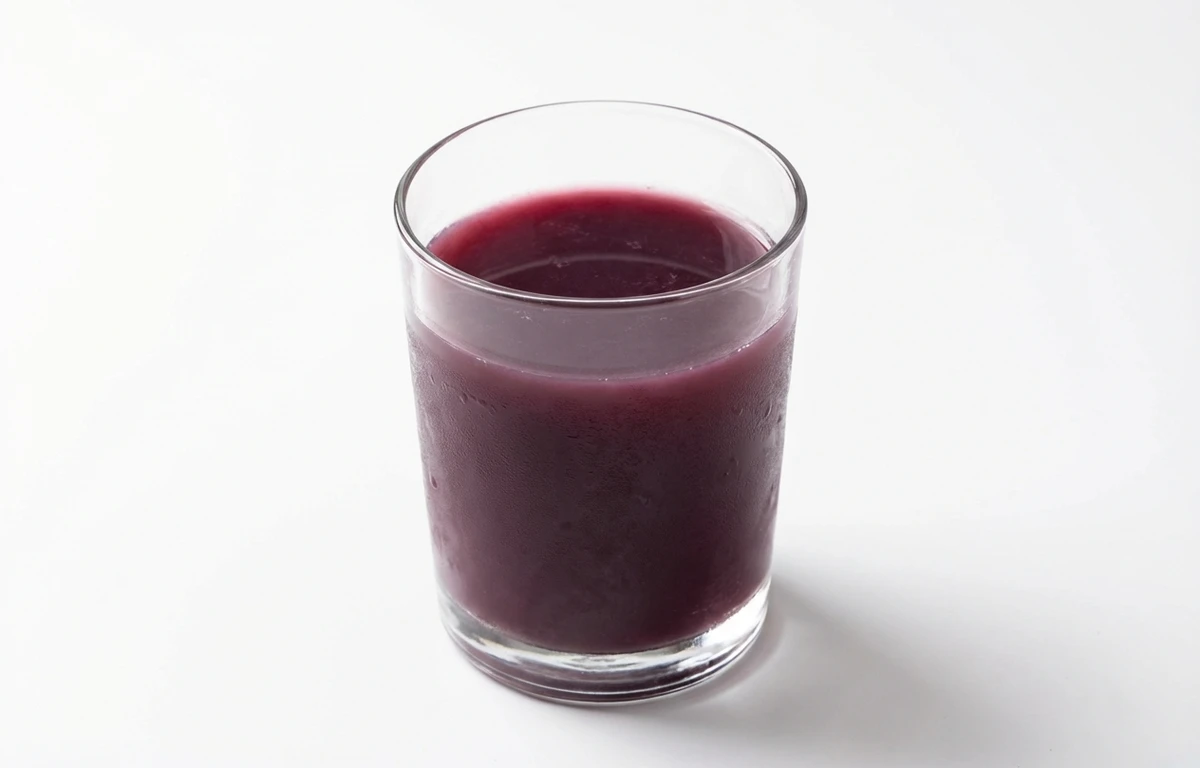
unsweetened grape juice.
VegetarianVeganGluten-freeDairy-freeNut-freePeanut-freeSoy-freeEgg-freeShellfish-freeHoney-freeAlcohol-free
SERVING
CALORIES
60
PROTEIN
0.37g
CARBS
14.8g
FAT
0.13g
FIBER
0.10g
NUTRITION PROFILE · per 100 g
Everything in this ingredient.
MACRONUTRIENTS
Calories60kcal—
Protein0.37g1%
Carbohydrates14.8g5%
Fiber0.10g0%
Sugar14.2g28%
Total fat0.13g0%
Saturated fat0.03g0%
Trans fat0g—
Cholesterol0mg0%
Water84.5g—
MINERALS
Sodium5.0mg0%
Potassium104mg2%
Calcium10mg1%
Iron0.25mg1%
Magnesium10mg2%
Phosphorus11mg1%
Zinc0.07mg1%
Copper0.02mg2%
Manganese0.17mg7%
Selenium0.10µg0%
VITAMINS
Vitamin A0µg0%
Vitamin C0.10mg0%
Vitamin D0µg0%
Vitamin E0.01mg0%
Vitamin K0.10µg0%
Thiamin (B1)0.02mg2%
Riboflavin (B2)0.02mg2%
Niacin (B3)0.20mg1%
Pantothenic acid (B5)0.05mg1%
Vitamin B60.04mg2%
Folate (B9)4.0µg1%
Vitamin B120µg0%
%DV based on a 2,000 cal diet. Source: USDA FoodData Central. A dash in the %DV column means there’s no established Daily Value for that nutrient.
MEASUREMENT CONVERSIONS
How much is what.
1 cup250g
1 tablespoon15.6g
1 teaspoon5.2g
1 oz29.5g
1 lb453.6g
1 ml1g
1 liter1040g
HEALTH BENEFITS
Why eat it.
- ✓Rich in polyphenols and antioxidants like resveratrol
- ✓Supports heart health by improving blood flow
- ✓May help maintain healthy blood pressure levels
- ✓Provides a quick source of natural energy
- ✓Contains manganese which supports bone health
COOKING TIPS
In the kitchen.
- 1Simmer and reduce to create a thick glaze for roasted meats
- 2Use as a natural sweetener in smoothies or salad dressings
- 3Freeze in ice cube trays to chill drinks without diluting them
STORAGE
Keep it fresh.
- Refrigerate immediately after opening
- Consume within 7 to 10 days of opening for best quality
- Store unopened bottles in a cool, dark pantry away from sunlight
FAQ
Frequently asked questions.
How long does unsweetened grape juice last after opening?
Once opened, it should be kept refrigerated and is typically best consumed within 7 to 10 days.
Can I freeze grape juice?
Yes, you can freeze it in airtight containers or ice cube trays for up to 8-12 months.
What is the best substitute for grape juice in recipes?
Pomegranate juice or cranberry juice are the best substitutes due to their similar acidity and depth.
Is unsweetened grape juice healthy?
It contains beneficial antioxidants, but it is high in natural sugars and lacks the fiber of whole grapes, so it should be consumed in moderation.
How can I tell if grape juice has gone bad?
Look for signs of fermentation (fizzing), a sour or off smell, or visible mold growth.
Does unsweetened mean there is no sugar?
No, 'unsweetened' means no extra sugar was added during processing, but it still contains the natural sugars found in the grapes.
What should I look for on the label when buying?
Look for '100% Juice' and ensure there are no added sweeteners like high fructose corn syrup.
Can grape juice be used in place of wine in cooking?
Yes, it can be used as a non-alcoholic substitute for red wine, though you may want to add a splash of vinegar to balance the sweetness.



















