That incredible, slightly citrusy, nutty aroma that hits you when you walk into a South Indian kitchen? That's often not the spice blend, but a handful of fresh curry leaves sizzling in hot oil. They're one of the most misunderstood and underrated ingredients in the pantry — far more than a garnish, they're a leafy green that packs flavor, fiber, and a surprising amount of personality, all for virtually zero calories.
↑ Fresh curry leaves are aromatic and add flavor without salt or fat.
The wildly underrated aromatic leaf
Let's clear one thing up first: curry leaves have nothing to do with curry powder. They aren't related, and they don't taste the same. Curry powder is a blend of ground spices, while curry leaves (or kadi patta) are the fresh leaves of a tree native to India. Their flavor is complex—a little bit citrus, a little smoky, a little nutty—and it's absolutely fundamental to South Indian and Sri Lankan cooking.
You use them like a bay leaf, but you can actually eat them. Frying them in oil at the start of a recipe releases their essential oils and perfumes the whole dish. They're a flavor ingredient, not a nutritional staple, but what they bring to the table is immense satisfaction without the baggage of salt, sugar, or fat.
IN ONE LINE
Curry leaves are a low-calorie, high-fiber aromatic green used for flavor. They add a complex, savory depth to dishes, allowing you to use less salt.
Curry leaf nutrition facts
The nutrition facts for curry leaves are usually given per 100 grams, which is a huge amount—think several cups packed tightly. You'd never eat that much in one go. A typical cooking portion is a single sprig of about 10-15 leaves, which weighs just a few grams. Still, the 100g data shows us what they're made of.
The main takeaway is that for a leaf, they have a decent amount of fiber and even some protein. But again, in the 2-3 grams you might use for a family meal, these amounts are tiny. The real nutritional value of curry leaves isn't in their macros, but in their function: they make healthy food taste amazing.
The Glycemic Index of Curry Leaves
You won't find a glycemic index (GI) value for curry leaves, and for good reason. The GI scale measures how much a 50-gram portion of available carbohydrate from a food raises blood sugar. You would have to eat hundreds of grams of curry leaves to get anywhere near that amount of carbohydrate. It's just not something people do.
Because they're used in such small quantities and are very low in carbs and sugar, their effect on blood sugar is practically zero. They are an excellent ingredient for anyone managing blood sugar, including those with diabetes.
GLYCEMIC INDEX · CONTEXT
Curry leaves' impact is negligible
Apple
whole fruit
LOW
Pineapple
whole fruit
MEDIUM
White bread
refined
HIGH
Cornflakes
refined
HIGH
SCALE 0–90
04590
How to get the most from them
Using curry leaves is simple, but a few tricks make all the difference.
01
Always fry them first.
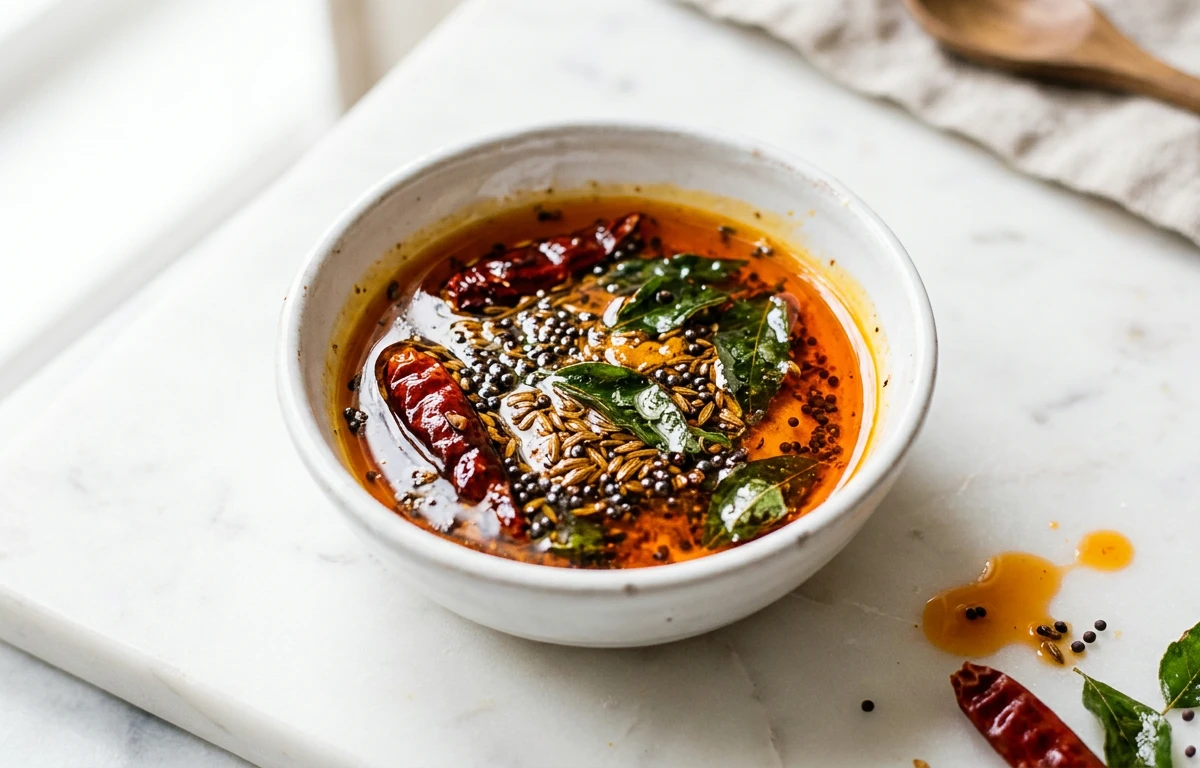
The key step is tempering, or 'tadka'. Sizzle the leaves in hot oil or ghee for 30-60 seconds until they're fragrant and crisp. This blooms their flavor throughout the oil.
02
Use fresh if you can.
Fresh leaves have the best, brightest flavor. They're sold on the stem at most Indian grocers. Dried leaves are okay in a pinch, but they lose much of their aroma.
03
Store them properly.
Strip the leaves from the stem, wash and dry them thoroughly, and store them in an airtight container in the fridge. They also freeze beautifully for months.
04
Eat them!
Unlike bay leaves, curry leaves are perfectly edible. Once fried, they become pleasantly crisp and are meant to be eaten with the dish.
What are curry leaves good for?
01
Incredible flavor, zero guilt
They provide a huge burst of savory, nutty, citrusy flavor for virtually no calories, fat, sugar, or sodium. It's pure sensory pleasure.
0
added salt
02
A source of fiber
While you don't eat a lot, the leaves themselves are a source of dietary fiber, and every little bit helps support good digestion and gut health.
6.4g
fiber/100g
03
Rich in plant compounds
Curry leaves are packed with antioxidants like carbazole alkaloids, flavonoids, and phenols, which are studied for their protective effects in the body.
Antioxidant
rich
04
A cook's secret weapon
They can make a simple dish of lentils or potatoes taste complex and deeply satisfying, reducing the need for processed sauces or extra salt.
Flavor
enhancer
What to pair curry leaves with
Curry leaves are a team player, but they have their favorite partners. Their flavor shines with starches, legumes, and coconut.
A flavor for everyone?
Three ways to use them
Ready to start cooking? Here are three simple recipes where the curry leaves are the star of the show.
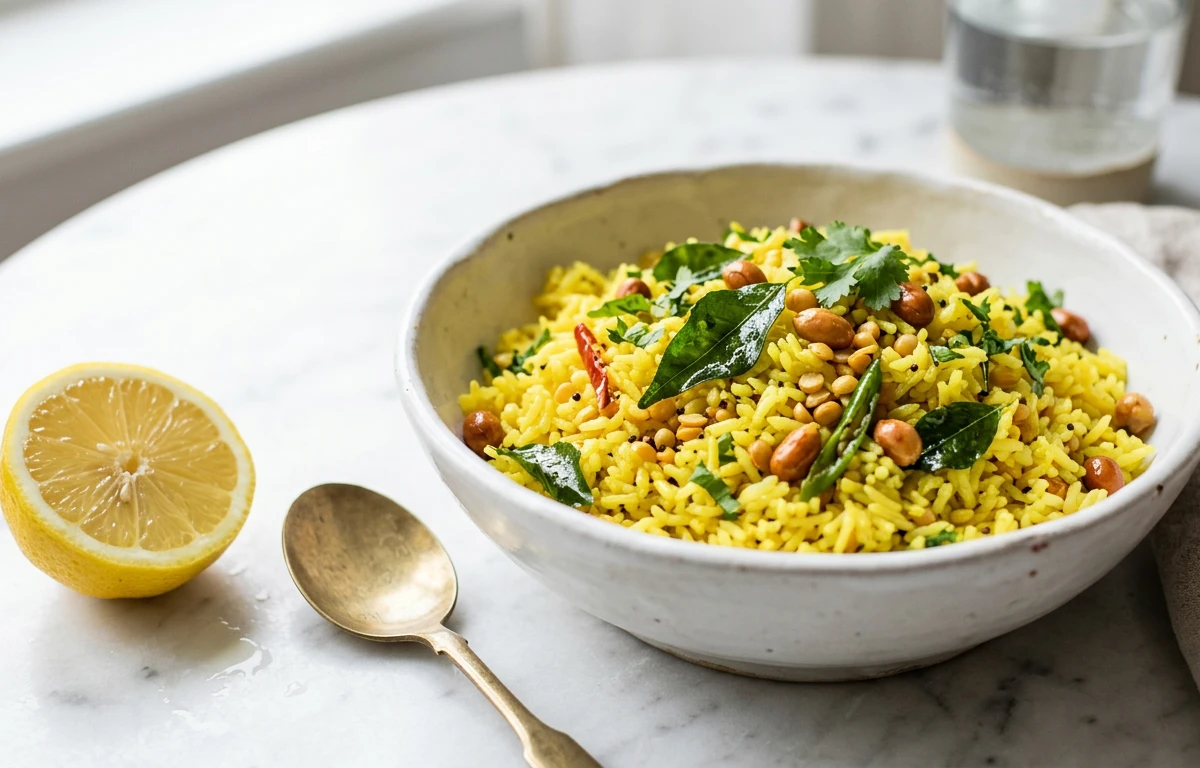
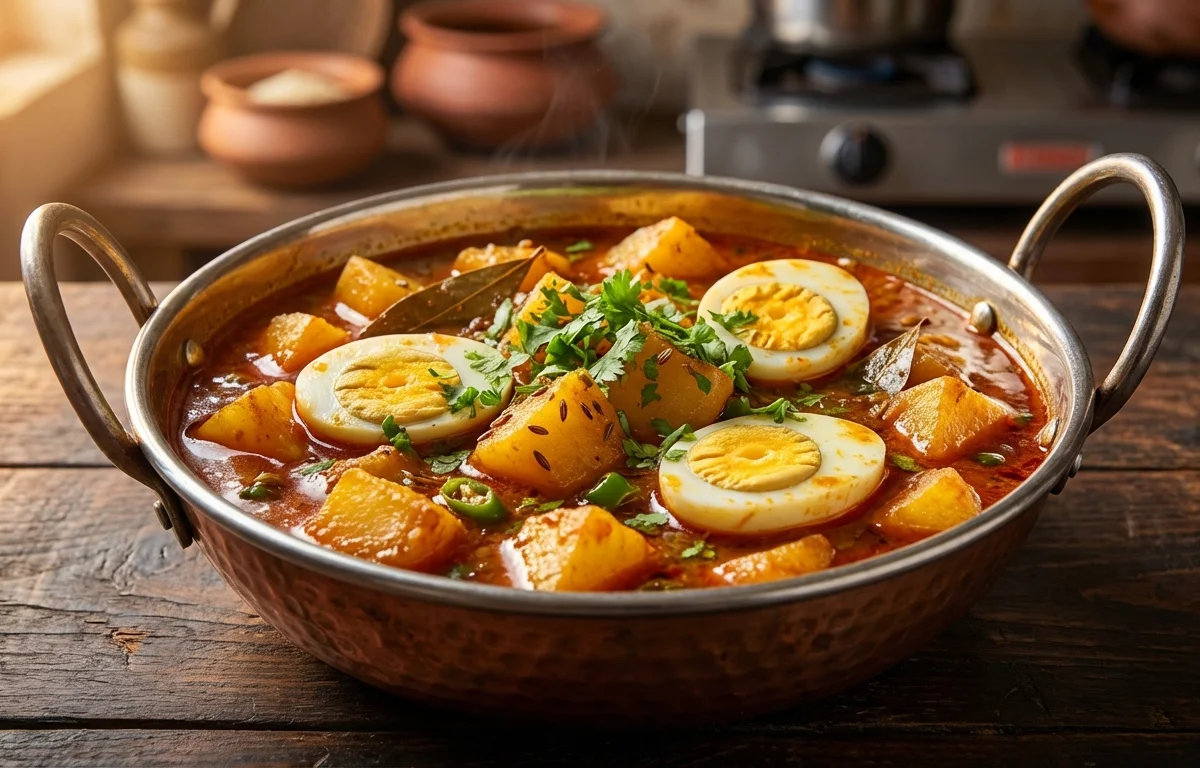
Want to explore more healthy flavors—without the guesswork?
Our meal planner helps you build balanced meals using fresh ingredients and smart flavor pairings, with portions and macros already calculated and a single grocery list at the end.
Build my weekly plan →SOURCES & REFERENCES · 3
One more thing
Eating well is rarely about willpower. It’s about having a short list of dinners you actually want to eat. Pick two from this list. Make them next week. The rest will follow.
If you want these on autopilot, our weekly meal planner can drop the picks above into your calendar with one click and build a single grocery list from the merged ingredients.
FREQUENTLY ASKED QUESTIONS
Frequently asked questions
Are curry leaves and curry powder the same thing?
No, not at all. Curry leaves are fresh, aromatic leaves from the Murraya koenigii tree. Curry powder is a ground spice blend, typically containing turmeric, coriander, cumin, and other spices. They are not substitutes for each other.
Can you eat the curry leaves in a dish?
Yes, absolutely! Unlike bay leaves, which are usually removed before serving, curry leaves are meant to be eaten. When fried, they become pleasantly crisp and add texture and flavor to each bite.
Are curry leaves good for people with diabetes?
Yes, they are an excellent ingredient. They add a huge amount of flavor without adding any sugar or carbohydrates, so they have a negligible effect on blood sugar. They can help make food satisfying without relying on ingredients that need to be carefully managed.
What's the best way to store fresh curry leaves?
The best way is to strip the leaves from the stems, wash and pat them completely dry. Store them in an airtight container in the refrigerator, where they'll last for a week or two. For longer storage, they freeze exceptionally well for several months.

ABOUT THE AUTHOR
Shreya Chatterjee
NUTRITION WRITER
Shreya is a nutrition writer and the voice behind The Nutrition Pen, where she turns evidence-based nutrition into simple, repeatable eating habits. Her writing focuses on practical food guidance — what to actually put on the plate — for readers who want to eat well without the noise.
Meet the editorial team →METHODOLOGY
How this article was created
Built using verified nutrition databases, culinary research, and traditional cooking knowledge — every claim is cross-referenced against the sources listed in the article.
· USDA data· Culinary research· Quality reviewed
Read our methodology →TRANSPARENCY
About this content
Articles are curated using trusted food databases (USDA FoodData Central, IFCT), culinary literature, and dietary guidelines, then structured by our editorial team for clarity, accuracy, and usefulness.
· Verified data sources· Culinary research· Quality reviewed
Read our editorial policy →RELATED RECIPES
Cook from this article
EXPLORE OUR MEALS
Meals that fit this article

AMERICAN · 1677 CAL
Almonds with Sliced Apple + supplement + iron

MEDITERRANEAN · 809 CAL
Greek Yogurt with Berries Almonds and Granola + supplement + iron

GENERAL_HEALTHY · 705 CAL
Banana with Peanut Butter Pregnancy + supplement + iron

MODERN · 982 CAL
Hummus with Crudits and Pita with Fresh Orange Snack + supplement + iron
TAGGED
KEEP READING