Ginger: Anti-inflammatory Uses, Glycemic Index & Nutrition Facts: verified nutrition facts, glycemic context, serving guidance, and practical cooking ideas.
↑ Fresh ginger's power is in its compounds, not its macros.
The spicy, soothing root
Ginger is one of those rare ingredients that's equally at home in the kitchen and the medicine cabinet. We grate it into stir-fries, brew it into tea, and candy it for a sweet, spicy kick. At the same time, it's one of the most well-known traditional remedies for an upset stomach on the planet.
But what's actually in it? Unlike a fruit or a leafy green, you don't eat ginger for its vitamins or minerals. You eat it for its potent bioactive compounds, which do the heavy lifting when it comes to health benefits. The nutrition label is almost beside the point.
IN ONE LINE
A potent anti-inflammatory spice with a near-zero glycemic impact, best used fresh or powdered in small, frequent amounts to soothe digestion and add flavor.
Ginger nutrition facts
Looking at the numbers for 100 grams (about 3.5 ounces) of ginger is a bit academic, since nobody eats that much at once. A typical serving is more like a teaspoon or two. Still, here's the official breakdown. The real story isn't in the macros, but in the unlisted compounds like gingerol.
Ginger and your blood sugar
This is one of the shortest conversations in nutrition. Does ginger spike your blood sugar? No. Not at all. It's a spice, used in small amounts. Even if you used a whole tablespoon of grated ginger, you're only getting about one gram of carbohydrate. Its effect on your blood glucose is practically zero.
For this reason, there's no official glycemic index rating for ginger — it's too low to measure meaningfully. This makes it an all-star for anyone managing blood sugar, including people with diabetes or insulin resistance. It adds a universe of flavor without you having to count or calculate a thing.
GLYCEMIC INDEX · GINGER vs COMMON FOODS
Ginger has a negligible glycemic impact
Ginger
illustrative
LOW
Cherries
whole fruit
LOW
Apple
whole fruit
LOW
Pineapple
whole fruit
MEDIUM
White bread
refined
HIGH
SCALE 0–90
04590
What ginger is really good for
01
Soothing Nausea & Indigestion
This is ginger's claim to fame. It's incredibly effective at calming an upset stomach, whether from motion sickness, morning sickness, or just simple indigestion.
No. 1
use
02
A Powerful Anti-Inflammatory
The compound gingerol is a potent anti-inflammatory agent. It's been shown to help with exercise-induced muscle soreness and may reduce symptoms of osteoarthritis.
Active
compound
03
Fighting Germs
Fresh ginger may help your body ward off germs. Its chemical compounds can help inhibit the growth of certain bacteria and may be effective against viruses like RSV.
Fresh
is best
04
Easing Menstrual Pain
Some studies suggest that ginger can be as effective as common pain relievers for reducing menstrual pain when taken at the beginning of a period.
1-2g
daily
How to get the best from it
Using ginger shouldn't be complicated. A few simple habits will make it a regular, easy part of your routine.
01
Store it in the freezer.
Keep a whole, unpeeled knob of ginger in a freezer bag. It stays fresh for months and is much easier to grate (skin and all) directly into your cooking.
02
Use fresh for the best effect.
Fresh ginger contains the highest levels of gingerol, the primary active compound. Dried ginger is great too, but has a different, more pungent flavor profile.
03
Don't bother peeling young ginger.
If the skin is thin and smooth, just give it a scrub. You can grate it right in. For older, tougher knobs, scrape the skin off with the edge of a spoon.
04
Make a simple tea.
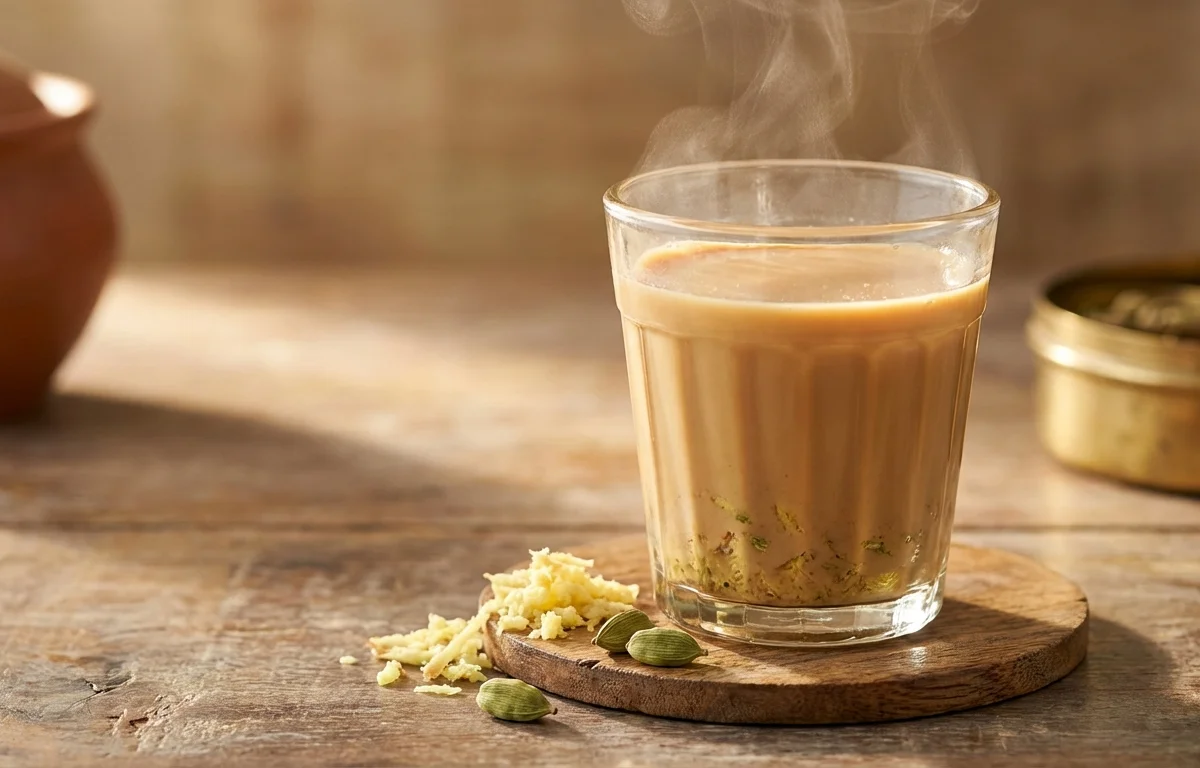
A few slices of fresh ginger in hot water with a squeeze of lemon is the easiest way to get a concentrated dose. It's a classic for a reason.
Classic flavor pairings
Ginger is a team player. It brightens and deepens other flavors, and these are some of its most reliable partners in the kitchen.
Use freely — or be mindful?
Three simple ways to use it
Forget complicated recipes. Here are three everyday ways to get more ginger into your life.
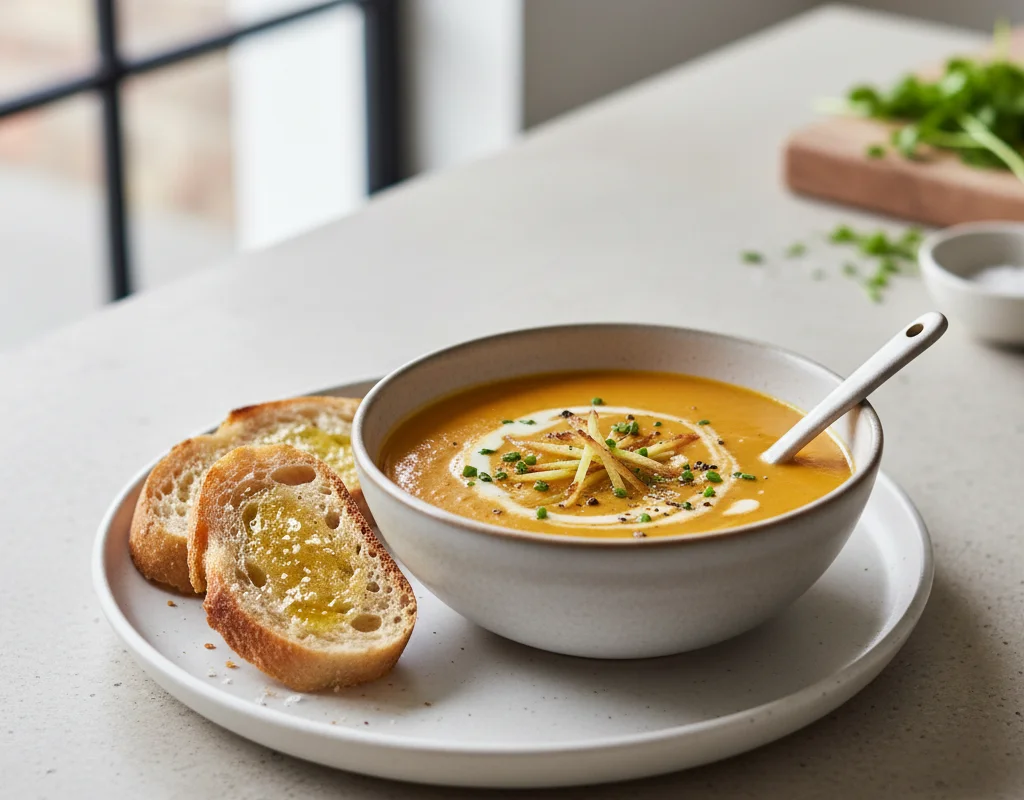
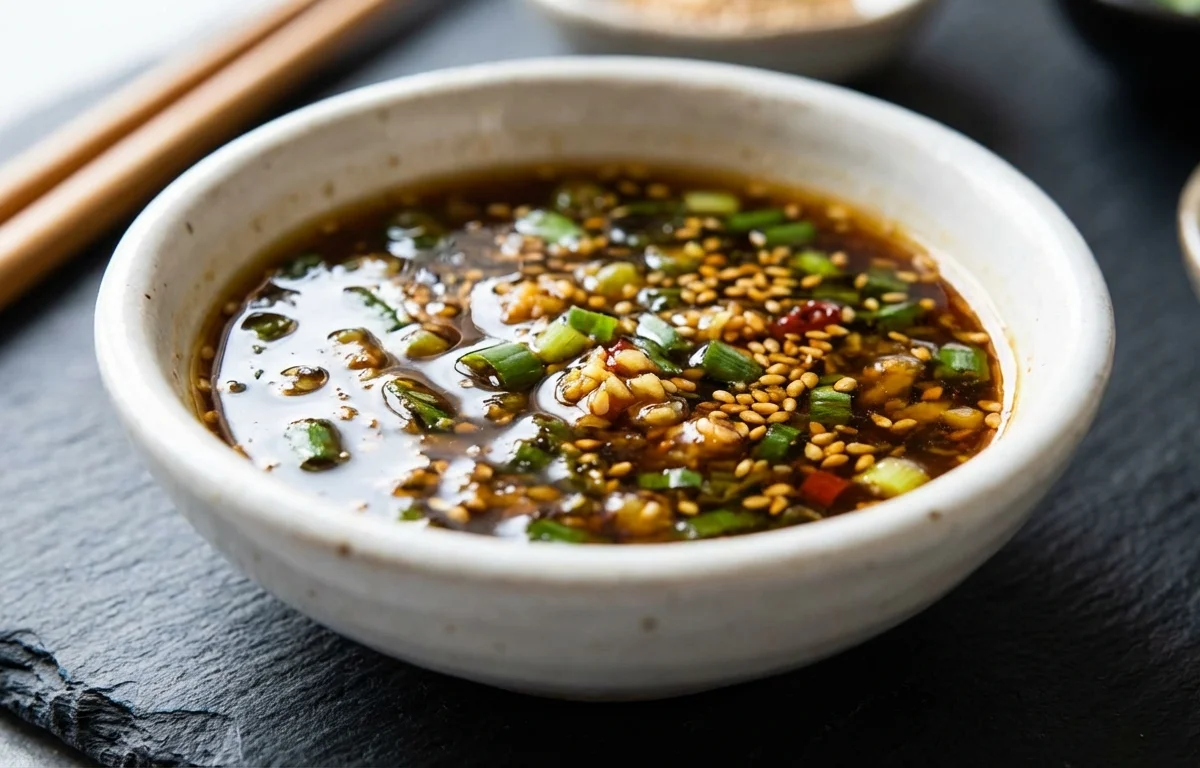
Want powerful flavors worked into a balanced week — without the planning?
Our meal planner uses ingredients like ginger to create delicious, healthy meals with portions and macros already calculated and a single grocery list at the end.
Build my weekly plan →SOURCES & REFERENCES · 3
One more thing
Eating well is rarely about willpower. It’s about having a short list of dinners you actually want to eat. Pick two from this list. Make them next week. The rest will follow.
If you want these on autopilot, our weekly meal planner can drop the picks above into your calendar with one click and build a single grocery list from the merged ingredients.
FREQUENTLY ASKED QUESTIONS
Frequently asked questions
Can people with diabetes eat ginger?
Absolutely. Ginger has a negligible effect on blood sugar and is considered an excellent way to add flavor to foods for people with diabetes. Some research even suggests it may help improve blood sugar control over time.
Is fresh ginger better than powdered ginger?
Fresh ginger has higher levels of gingerol, the main anti-inflammatory compound, and is generally better for nausea. Powdered ginger has more shogaol, which is also potent. They have different flavors and are both healthy, but for medicinal benefits, fresh is often preferred.
How much ginger is too much?
For most people, up to 4 grams (about 2 teaspoons of grated ginger) per day is considered safe. Exceeding this can sometimes lead to mild side effects like heartburn, gas, or an upset stomach.
Do I need to peel ginger?
Not usually! If you have young ginger with smooth, thin skin, just give it a good scrub. You can grate or slice it skin-on. If the skin is thick and tough, it's easier to scrape it off with the side of a spoon than a peeler.
METHODOLOGY
How this article was created
Built using verified nutrition databases, culinary research, and traditional cooking knowledge — every claim is cross-referenced against the sources listed in the article.
· USDA data· Culinary research· Quality reviewed
Read our methodology →TRANSPARENCY
About this content
Articles are curated using trusted food databases (USDA FoodData Central, IFCT), culinary literature, and dietary guidelines, then structured by our editorial team for clarity, accuracy, and usefulness.
· Verified data sources· Culinary research· Quality reviewed
Read our editorial policy →RELATED RECIPES
Cook from this article
EXPLORE OUR MEALS
Meals that fit this article

AMERICAN · 1677 CAL
Almonds with Sliced Apple + supplement + iron

MEDITERRANEAN · 809 CAL
Greek Yogurt with Berries Almonds and Granola + supplement + iron

GENERAL_HEALTHY · 705 CAL
Banana with Peanut Butter Pregnancy + supplement + iron

MODERN · 982 CAL
Hummus with Crudits and Pita with Fresh Orange Snack + supplement + iron
TAGGED
KEEP READING