Mushroom: Nutrition, Glycemic Index & Why They're So Good For You: verified nutrition facts, glycemic context, serving guidance, and practical cooking ideas.
↑ Mushrooms aren't just a garnish; they're a low-calorie, low-carb nutritional player.
The savory, low-carb workhorse
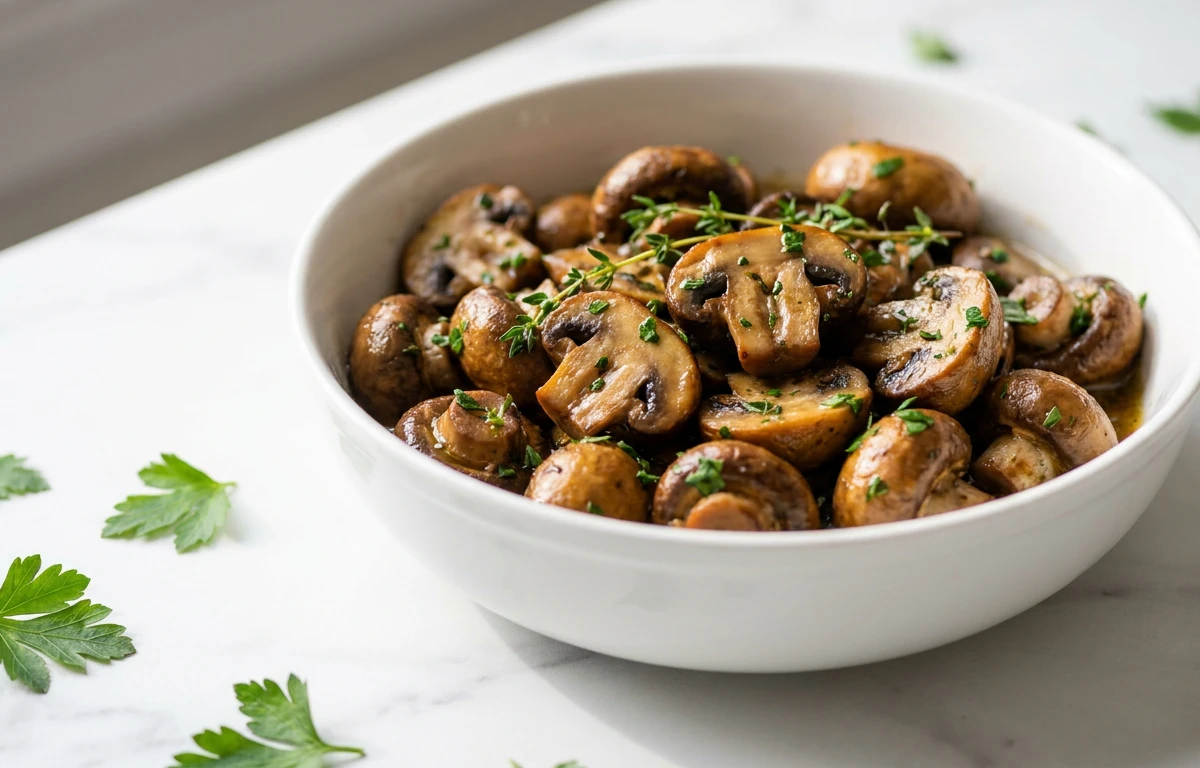
The magic of a mushroom is its savory, umami flavor, a taste profile usually found in meat, cheese, and broth. This makes them incredibly useful for building satisfying meals without adding a lot of calories or fat. Sautéed mushrooms can make a simple piece of toast feel like a decadent meal, or bulk up a pasta sauce while replacing some of the ground meat. They bring flavor, texture, and a unique set of nutrients that you won't find in the vegetable drawer.
IN ONE LINE
Mushrooms are a low-calorie, low-carb, flavor-first food with a glycemic index so low it's barely on the scale.
Mushroom nutrition facts
Here's the breakdown for a typical 100-gram serving (about 3.5 ounces, or a generous cup of sliced mushrooms) of common white or cremini mushrooms.
What stands out here? For just 28 calories, you get a solid 3 grams of protein. But the real stars are the micronutrients. Mushrooms are one of the best food sources of selenium, a powerful antioxidant, and they are packed with B vitamins like riboflavin and niacin, which are crucial for energy production.
Are mushrooms a carb?
Barely. With just 3.3 grams of carbohydrate per 100g serving, and one of those grams being fiber, the net carb count is tiny. This makes mushrooms a true hero for anyone on a low-carb or ketogenic diet, or for individuals managing diabetes. They allow you to add bulk, flavor, and texture to meals with virtually no impact on your carb budget or blood sugar.
Watch the preparation. A cup of sautéed mushrooms is great. A cup of mushrooms swimming in a heavy cream and butter sauce is a different story for your heart and waistline.
Mushroom's glycemic index
The Glycemic Index (GI) is almost a non-issue for mushrooms. The scale, which runs from 0-100, measures how quickly a food's carbohydrates raise blood sugar. With so few carbs to begin with, mushrooms have a GI that's too low to be reliably measured, often estimated to be below 15. This puts them firmly in the 'free food' category for blood sugar management.
GLYCEMIC INDEX · MUSHROOMS vs COMMON FOODS
Mushrooms have virtually no glycemic impact
Mushroom
negligible carbs
LOW
Cherries
whole fruit
LOW
Apple
whole fruit
LOW
White bread
refined
HIGH
Cornflakes
refined
HIGH
SCALE 0–90
04590
How to cook them right
Getting the best out of mushrooms is all about the technique. A few simple rules make all the difference between delicious, browned mushrooms and a sad, watery pile.
01
Don't crowd the pan.
This is the cardinal rule. Give them space in a single layer to sear and brown. Too many mushrooms in the pan will steam them.
02
Use medium-high heat.
You want to hear a sizzle. This helps evaporate moisture quickly so they can develop that beautiful golden-brown color and nutty flavor.
03
Salt them at the end.
Salt draws out water. If you salt them at the beginning, they'll release their liquid too early and won't brown properly. Add salt once they're already browned.
04
Try 'dry sautéing'.
For an oil-free method, heat a non-stick pan and add the mushrooms. Let them release their own liquid and cook until it evaporates, then they'll start to brown.
05
Use as a meat substitute.
Their meaty texture and umami flavor mean you can use chopped mushrooms to replace half the ground meat in burgers, bolognese, or tacos.
What mushrooms are good for
01
Effortless weight management
At just 28 calories per 100g but with a satisfying, savory flavor, mushrooms help you feel full on very few calories.
~28
calories
02
Excellent for blood sugar
With a negligible carb count and glycemic index, mushrooms are one of the best foods you can eat for stable blood sugar.
GI <15
very low
03
A rare source of antioxidants
Mushrooms contain selenium and a unique, potent antioxidant called ergothioneine, which helps protect cells from damage.
17%
selenium DV
04
Packed with B-Vitamins
They are a fantastic source of B vitamins like riboflavin and niacin, essential for converting your food into energy.
31%
B2 DV
05
Plant-based umami flavor
Mushrooms provide a deep, savory 'fifth taste' called umami, making them a great way to add flavor without salt or fat, especially in vegetarian cooking.
3.1 g
protein
What to pair mushrooms with
Mushrooms are a team player. Their earthy, savory flavor complements a huge range of ingredients.
Eat freely — or be mindful?
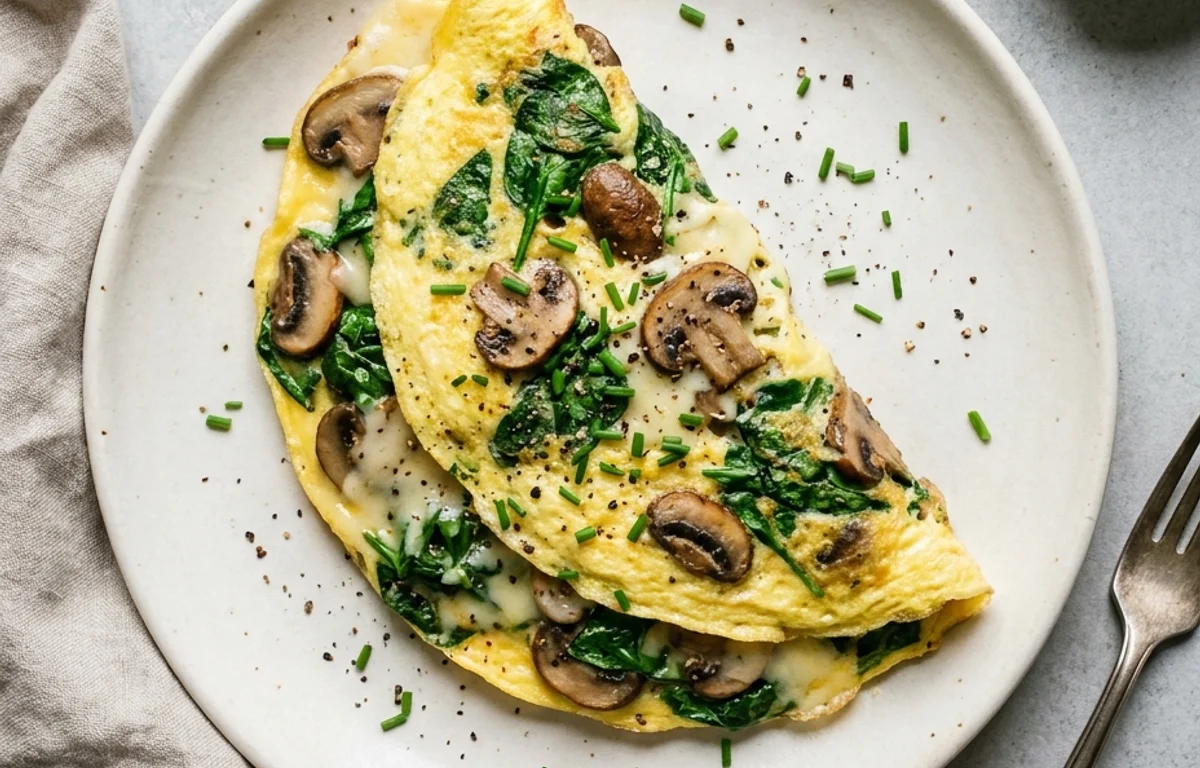
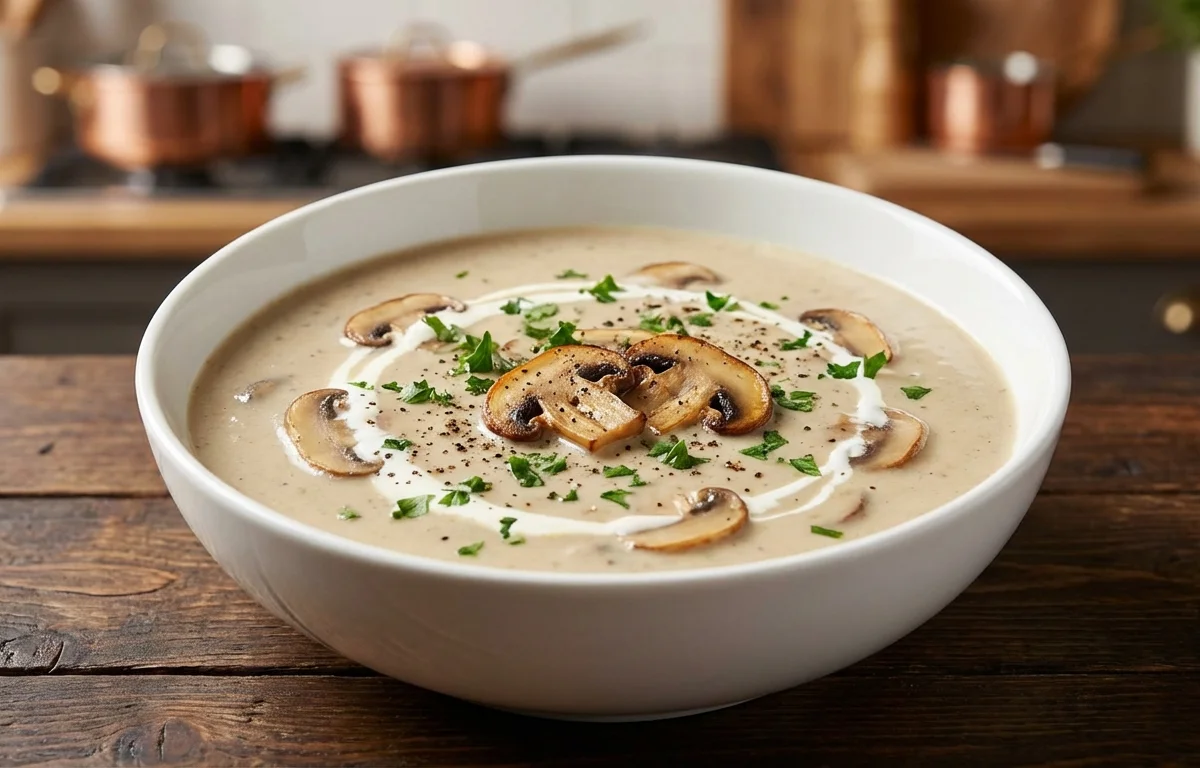
Three simple ways to use them
Beyond just slicing them onto a salad, here are three easy recipes that put mushrooms front and center.
Want savory, low-carb meals worked into a balanced week?
Our meal planner uses ingredients like mushrooms to create flavorful, satisfying dishes that are naturally low in carbs and calories, with portions and macros already calculated.
Build my weekly plan →SOURCES & REFERENCES · 3
One more thing
Eating well is rarely about willpower. It’s about having a short list of dinners you actually want to eat. Pick two from this list. Make them next week. The rest will follow.
If you want these on autopilot, our weekly meal planner can drop the picks above into your calendar with one click and build a single grocery list from the merged ingredients.
FREQUENTLY ASKED QUESTIONS
Frequently asked questions
Are mushrooms a vegetable?
Technically, no. They are fungi, a separate biological kingdom from plants. However, in the culinary and nutritional world, we treat them like vegetables because of how we cook and eat them.
Are mushrooms good for weight loss?
Absolutely. They are very low in calories but provide a savory, 'meaty' satisfaction that helps you feel full. Swapping them for higher-calorie ingredients is a great weight-loss strategy.
Can you eat mushrooms raw?
Common button, cremini, and portobello mushrooms are generally considered safe to eat raw in small amounts. However, cooking breaks down their tough cell walls, which makes their nutrients more available and makes them easier to digest. Cooking also destroys trace amounts of potentially harmful compounds.
Are mushrooms keto-friendly?
Yes, they are one of the best foods for a ketogenic diet. A 100g serving has only about 2-3 grams of net carbs, making them easy to fit into your daily carb limit while adding much-needed flavor and nutrients.
METHODOLOGY
How this article was created
Built using verified nutrition databases, culinary research, and traditional cooking knowledge — every claim is cross-referenced against the sources listed in the article.
· USDA data· Culinary research· Quality reviewed
Read our methodology →TRANSPARENCY
About this content
Articles are curated using trusted food databases (USDA FoodData Central, IFCT), culinary literature, and dietary guidelines, then structured by our editorial team for clarity, accuracy, and usefulness.
· Verified data sources· Culinary research· Quality reviewed
Read our editorial policy →RELATED RECIPES
Cook from this article
EXPLORE OUR MEALS
Meals that fit this article

AMERICAN · 1677 CAL
Almonds with Sliced Apple + supplement + iron

MEDITERRANEAN · 809 CAL
Greek Yogurt with Berries Almonds and Granola + supplement + iron

GENERAL_HEALTHY · 705 CAL
Banana with Peanut Butter Pregnancy + supplement + iron

MODERN · 982 CAL
Hummus with Crudits and Pita with Fresh Orange Snack + supplement + iron
TAGGED
KEEP READING