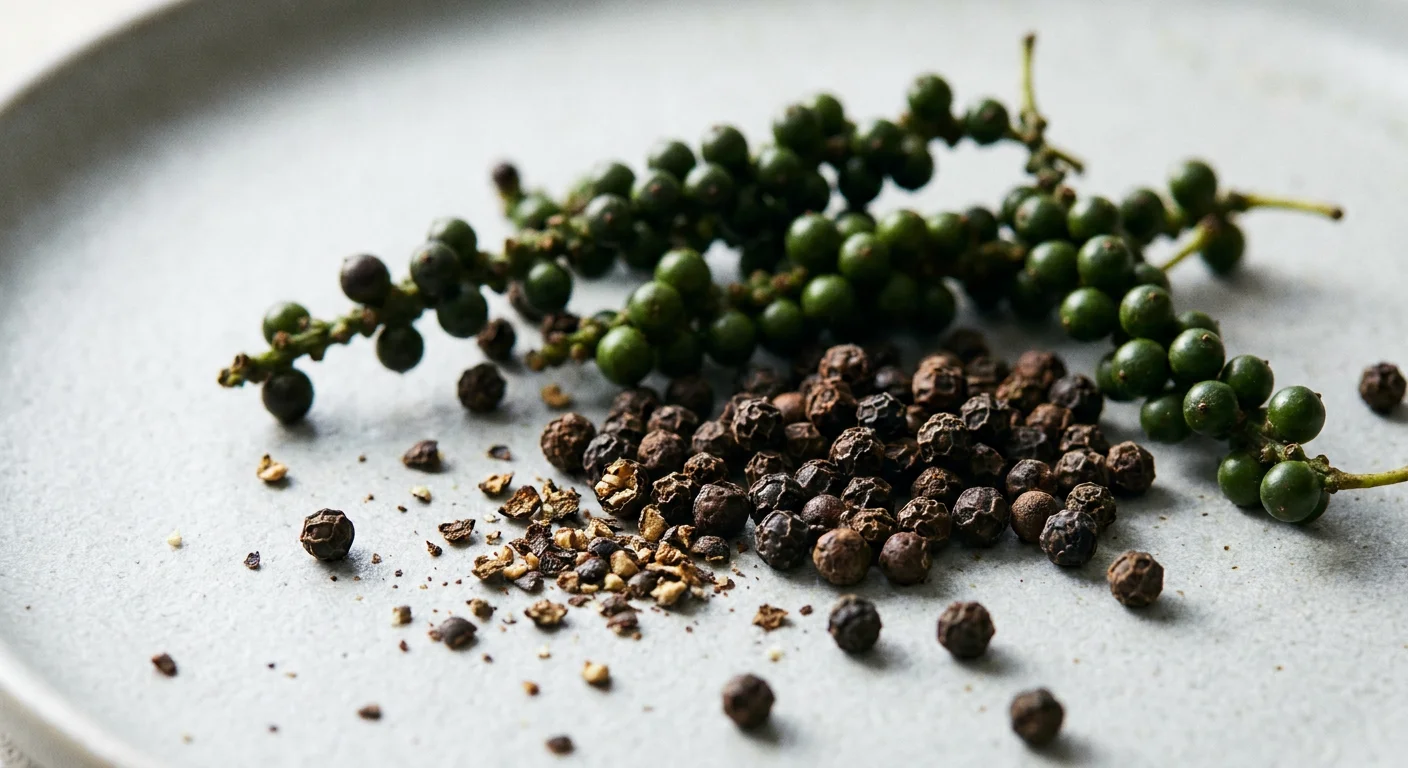
Pineapple has an image problem. Because it tastes like dessert, people assume it must be loaded with sugar and little else. In fact it’s one of the most nutrient-dense fruits you can eat — astonishingly high in vitamin C and manganese, and the only common food that delivers a meaningful dose of bromelain, an enzyme that actually digests protein. The sweetness is real; so is everything else.
↑ Fresh pineapple — sweetest and most enzyme-rich when fully ripe.
WHAT THIS ARTICLE COVERS
- 01More than a sugar bomb
- 02Pineapple nutrition facts
- 03The macro breakdown
- 04Bromelain: the pineapple enzyme
- 05A medium glycemic index
- 06Fresh, juiced, or paired
- 07How to eat it right
- 08What pineapple is good for
- 09What to pair pineapple with
- 10Eat freely — or be mindful?
- 11Three recipes to start with
- 12Frequently asked questions
More than a sugar bomb
A cup of fresh pineapple has about 83 calories and 16 grams of natural sugar — roughly the same as a small banana, and all of it intrinsic to the whole fruit. What that headline misses is the payload that comes with it: a single cup covers most of a day’s vitamin C and two-thirds of your manganese.
Pineapple does sit a little higher on the glycemic scale than apples or berries — it’s a medium-GI fruit, not a low one. But a normal portion still has a modest glycemic load, and the same pairing trick that works for any fruit works here too.
IN ONE LINE
Pineapple is a vitamin-C and manganese powerhouse with a unique protein-digesting enzyme — sweeter and slightly higher-GI than most fruit, but far more than just sugar.
Pineapple nutrition facts
Here’s what one cup of fresh pineapple chunks — about 165 grams — delivers.
Two numbers do the heavy lifting. The vitamin C is exceptional — close to a full day’s worth in one cup — and the manganese is among the highest of any fruit, a mineral your body needs for bone formation and metabolism. Few fruits this sweet are also this nutrient-dense.
The macro breakdown
Pineapple is a carbohydrate fruit through and through — almost no fat or protein. It does carry a little less fiber than an apple, which is part of why its glycemic index runs a touch higher.
73%
Sugars · ~16 g
Mostly sucrose, glucose and fructose — natural to the ripe fruit.
17%
Other · ~3.7 g
Organic acids, a little starch, and the bromelain enzyme that makes pineapple unique.
10%
Fiber · ~2.3 g
Less than an apple — one reason pineapple’s GI sits a step higher.
Bromelain: the pineapple enzyme
Bromelain is pineapple’s party trick. It’s a group of enzymes that break down protein — which is literally why fresh pineapple makes your tongue tingle, and why it’s long been used as a meat tenderiser. It’s also the reason fresh pineapple won’t set in jelly: it digests the gelatin.
Bromelain is concentrated in the core and stem, and it’s destroyed by heat — so the tingle (and any digestive benefit) comes only from fresh, raw pineapple, not canned or cooked. It’s being studied for digestion and inflammation, though most therapeutic research uses concentrated supplements rather than the fruit itself.
Pineapple is the only fruit most people will ever eat that contains a working dose of a protein-digesting enzyme. Cook it and that disappears — which is exactly why fresh and canned are not the same food.
— Dr. Lena Hoff, RD
A medium glycemic index
On the 0–100 glycemic-index scale — low under 55, medium 56–69, high 70+ — fresh pineapple comes in around 59. That makes it a medium-GI fruit: higher than apples, oranges or berries, but well below watermelon and refined carbohydrates. It’s a “mind the portion and the pairing” fruit, not one to avoid.
GLYCEMIC INDEX · COMMON FRUITS
Where pineapple sits among the fruits
Cherries
low
LOW
Apple
low
LOW
Banana (ripe)
low
LOW
Pineapple (fresh)
medium
MEDIUM
Watermelon
high
HIGH
SCALE 0–80
04080
Don’t let the medium GI scare you off. A one-cup serving has a glycemic load of only about 7 — still low — because there simply isn’t that much carbohydrate in a normal portion. The trouble starts with large servings, canned-in-syrup, and juice.
Fresh, juiced, or paired
As with every fruit, the form decides the curve. Fresh pineapple on its own gives a noticeable but manageable rise. Pineapple juice — fiberless and fast — spikes hard. And pairing the fresh fruit with protein or fat flattens it out into a steady, satisfying snack.
BLOOD-SUGAR RESPONSE
How the form changes the curve
Pineapple juice on an empty stomach
Fresh pineapple, eaten alone
Fresh pineapple + cottage cheese or yogurt
How to eat it right
Pineapple rewards a little know-how — from picking a ripe one to keeping its enzyme intact.
01
Buy it ripe — it won’t get sweeter.
Pineapple doesn’t ripen further once picked. Choose one that smells sweet at the base, gives slightly when pressed, and has fresh green leaves. A green, hard pineapple will only ever be tart.
02
Eat it fresh for the enzyme.
Bromelain and most of the vitamin C are destroyed by heat. Fresh, raw pineapple delivers both; cooked and canned versions lose them.
03
Pair it with protein or fat.
Cottage cheese, Greek yogurt, or a handful of nuts turns pineapple from a quick hit into a balanced snack and softens its medium-GI rise.
04
Mind the portion — and skip the syrup.
A cup or two of fresh fruit is a serving. Canned-in-syrup and pineapple juice pile on free sugar fast; choose fresh, or canned in juice and drained.
05
Use it to tenderise.
A little fresh pineapple or its juice in a marinade breaks down tough meat beautifully — but don’t marinate too long, or the bromelain turns it mushy.
What pineapple is good for
01
Immune-supporting vitamin C
One cup delivers close to a full day’s vitamin C, an antioxidant that supports immune function, skin and collagen, and helps the body absorb iron.
88%
vitamin C DV
02
Manganese for bones & metabolism
Pineapple is one of the richest fruit sources of manganese, a mineral essential for bone formation and for the enzymes that turn food into energy.
67%
manganese DV
03
May aid digestion
Bromelain breaks down protein and is studied for easing digestion and inflammation — best from fresh, raw fruit, as heat destroys it.
fresh
bromelain
04
Hydrating and antioxidant-rich
About 86% water, pineapple also supplies flavonoids and phenolic acids that contribute to its antioxidant activity.
~86%
water
05
Sweet without the calories
For something that tastes this much like dessert, a cup of pineapple is light — a smart way to satisfy a sweet craving with real nutrition.
83
calories
What to pair pineapple with
Pineapple’s bright acidity loves both creamy and savoury partners. Adding protein or fat balances its sweetness and steadies the blood-sugar response — and a little chilli or coconut sends it tropical.
Eat freely — or be mindful?
Three recipes to start with
Three easy ways to make the most of fresh pineapple — leaning on its own sweetness, and keeping the fruit raw where the enzyme and vitamin C matter.
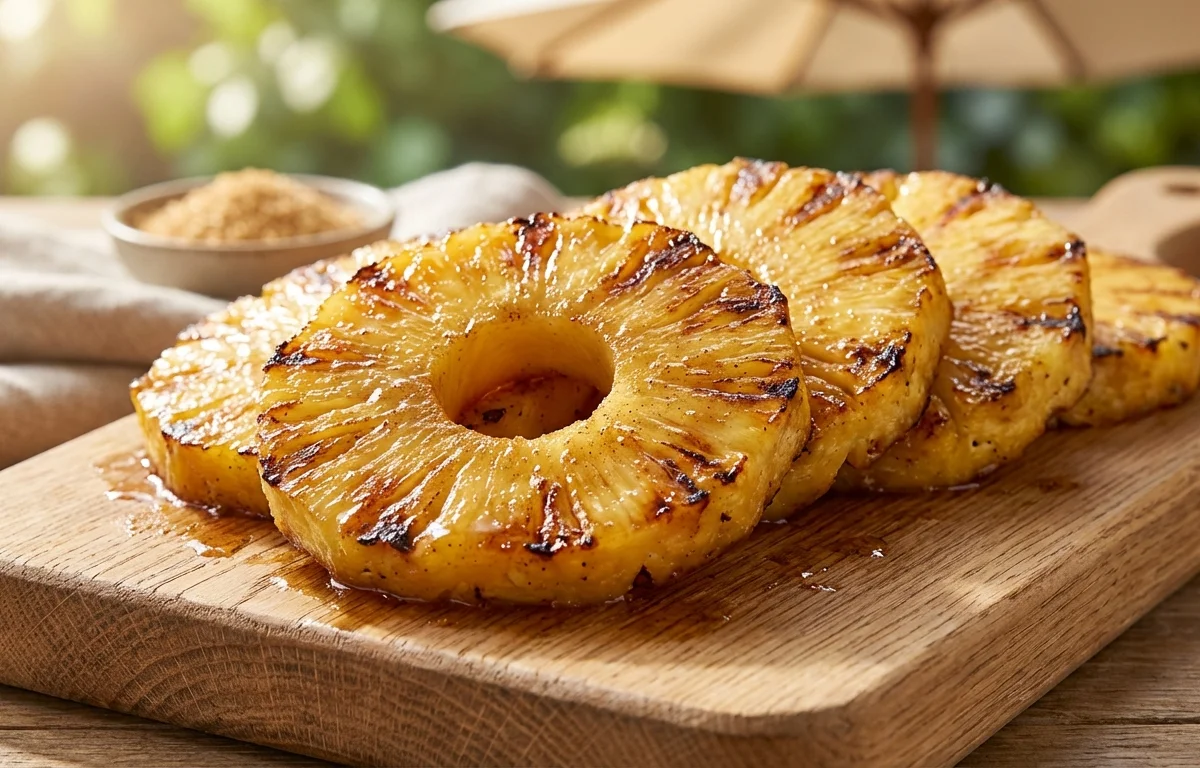
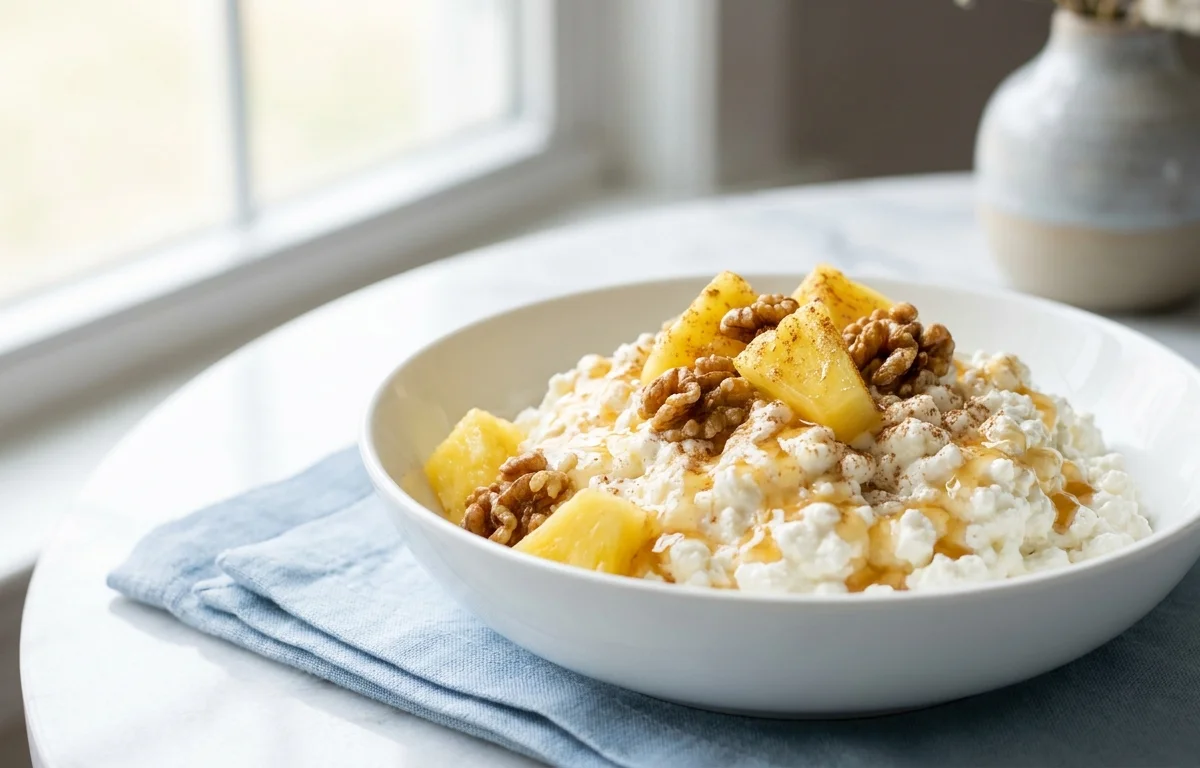
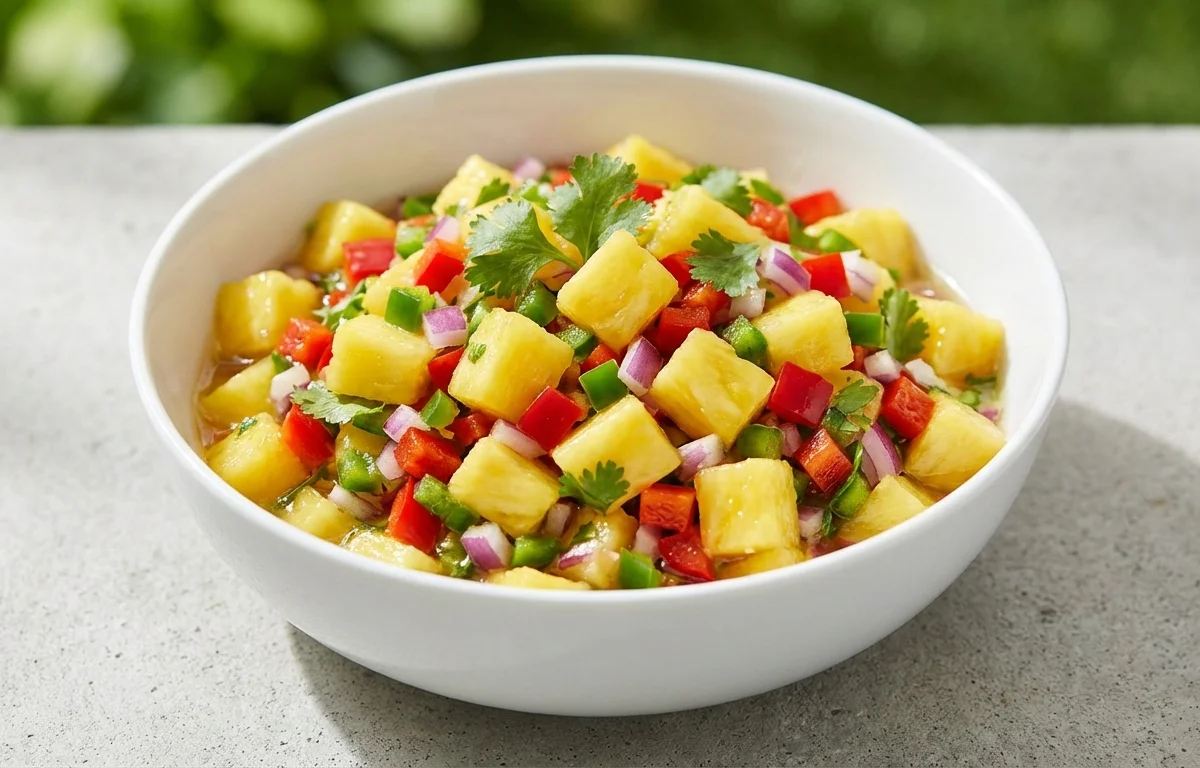
Want fruit like this built into balanced, no-spike days?
Our meal planner pairs pineapple and other fruit with protein and fibre for steady energy, with portions and macros calculated and a single grocery list at the end.
Build my weekly plan →SOURCES & REFERENCES · 3
One more thing
Eating well is rarely about willpower. It’s about having a short list of dinners you actually want to eat. Pick two from this list. Make them next week. The rest will follow.
If you want these on autopilot, our weekly meal planner can drop the picks above into your calendar with one click and build a single grocery list from the merged ingredients.
FREQUENTLY ASKED QUESTIONS
Frequently asked questions
Is pineapple too high in sugar to be healthy?
No. A cup of fresh pineapple has about 16 g of natural sugar — similar to a small banana — alongside a near-full day of vitamin C and lots of manganese. Mind the portion and skip the juice and syrup, and it’s a genuinely nutritious fruit.
Does pineapple spike blood sugar?
It’s a medium-GI fruit (around 59), so it raises blood sugar a little faster than apples or berries. But a normal serving has a low glycemic load, and pairing it with protein or fat — like cottage cheese or yogurt — keeps the rise gentle.
What is bromelain and is it good for you?
Bromelain is a group of protein-digesting enzymes unique to pineapple. It’s what makes the fruit tingle and tenderise meat, and it’s studied for digestion and inflammation. It’s destroyed by heat, so only fresh, raw pineapple contains it.
Is canned pineapple as healthy as fresh?
Not quite. Canning uses heat, which destroys the bromelain and much of the vitamin C, and syrup adds free sugar. If you buy canned, choose pineapple in juice (not syrup) and drain it — but fresh is best.
Why does pineapple make my mouth tingle or sore?
That’s the bromelain enzyme breaking down proteins on the surface of your tongue and lips. It’s harmless for most people and eases off quickly; pairing pineapple with dairy, or eating it cooked, reduces the effect.
METHODOLOGY
How this article was created
Built using verified nutrition databases, culinary research, and traditional cooking knowledge — every claim is cross-referenced against the sources listed in the article.
· USDA data· Culinary research· Quality reviewed
Read our methodology →TRANSPARENCY
About this content
Articles are curated using trusted food databases (USDA FoodData Central, IFCT), culinary literature, and dietary guidelines, then structured by our editorial team for clarity, accuracy, and usefulness.
· Verified data sources· Culinary research· Quality reviewed
Read our editorial policy →RELATED RECIPES
Cook from this article
EXPLORE OUR MEALS
Meals that fit this article

AMERICAN · 1677 CAL
Almonds with Sliced Apple + supplement + iron

MEDITERRANEAN · 809 CAL
Greek Yogurt with Berries Almonds and Granola + supplement + iron

GENERAL_HEALTHY · 705 CAL
Banana with Peanut Butter Pregnancy + supplement + iron

MODERN · 982 CAL
Hummus with Crudits and Pita with Fresh Orange Snack + supplement + iron
TAGGED
KEEP READING