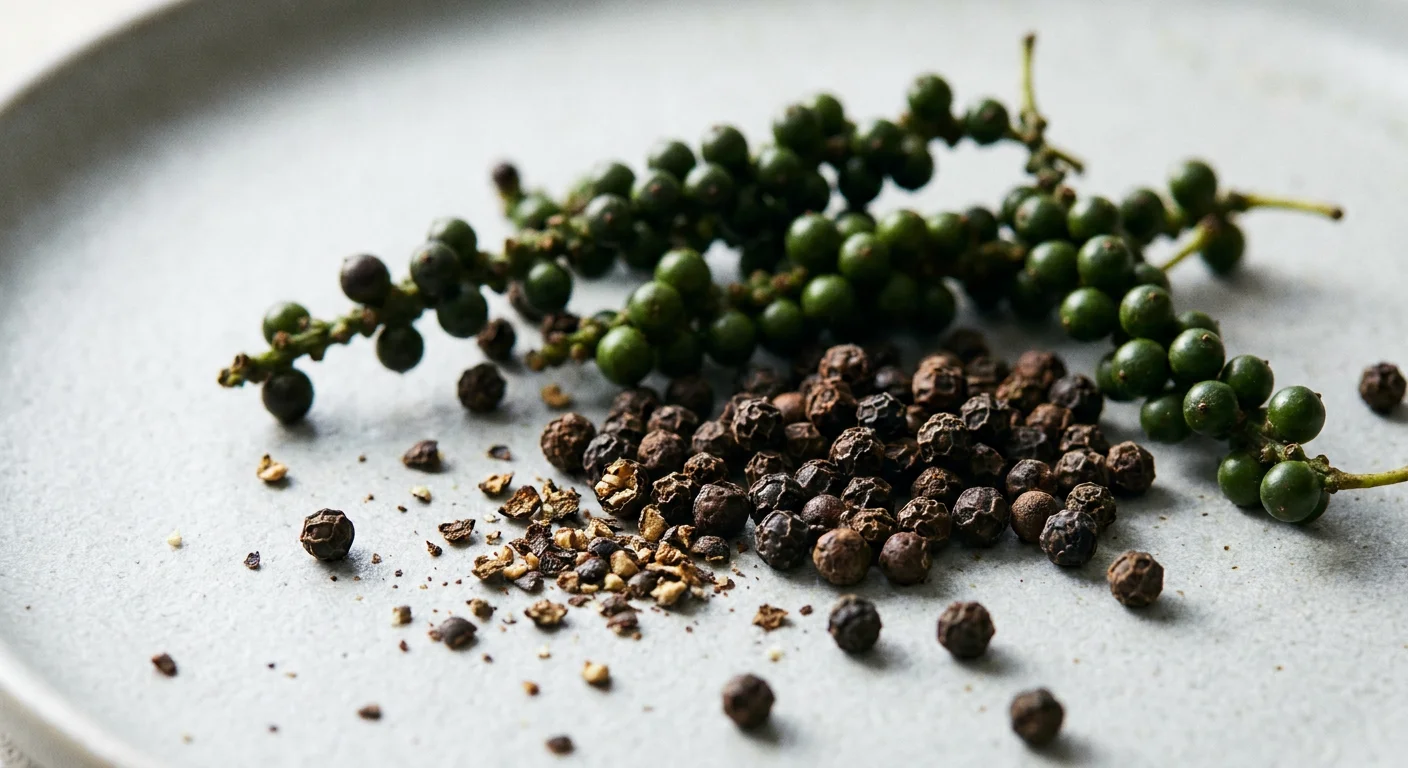
Think of ricotta and you probably think of lasagna. But this mild, creamy Italian cheese is so much more than a pasta filling. It's one of the most versatile ingredients in the dairy aisle, with a surprisingly balanced profile: high in protein, moderate in fat, and with barely any carbs to speak of. It’s softer and lighter than you’d expect, not really a 'cheese' in the hard, aged sense. It’s more like a fresh, spoonable cloud of dairy that can go sweet or savory at a moment's notice.
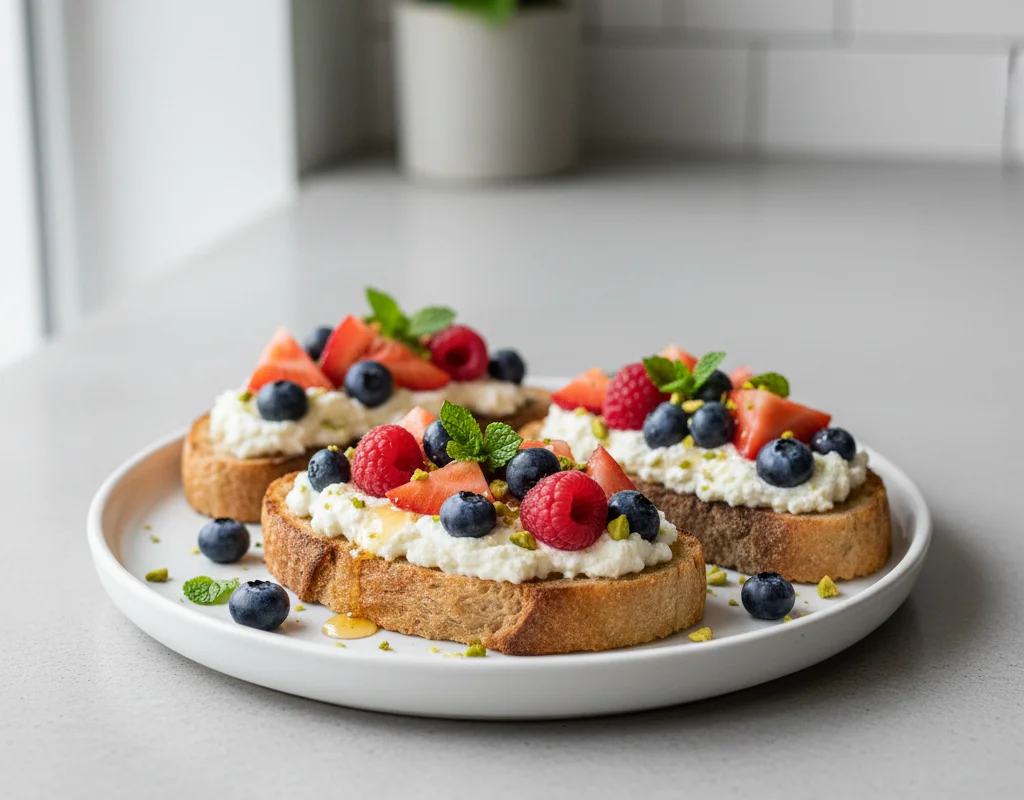
↑ Fresh ricotta's creamy, slightly grainy texture makes it incredibly versatile.
The creamy, low-carb cheese
Ricotta is a funny one. It's technically not cheese but a 'cheese product', traditionally made by reheating the whey left over from making other cheeses (the name literally means 'recooked'). The result is a fresh, soft, spreadable dairy product with a mild, slightly sweet flavor and a texture that's somewhere between cottage cheese and mascarpone.
What makes it interesting from a nutrition standpoint is its balance. Unlike cream cheese, it's a genuine protein source. And unlike many hard cheeses, it's lower in salt and has a lighter texture. It's this combination of protein, fat, and creaminess that makes it such a useful kitchen staple.
IN ONE LINE
Ricotta is a high-protein, low-carbohydrate fresh cheese that works equally well in sweet and savory dishes. Choose part-skim for less fat, and watch sodium levels.
Ricotta nutrition facts
Here’s the nutritional breakdown for a typical 100-gram serving of whole milk ricotta cheese, which is a little less than half a cup.
The two big stories here are protein and fat. Over 11 grams of protein is substantial, putting it on par with Greek yogurt. The 13 grams of fat, mostly saturated, is what gives ricotta its richness and makes it so satisfying—but it's also why portion size matters. The carb count is tiny, coming almost entirely from lactose (milk sugar).
Ricotta's glycemic index
Glycemic index (GI) isn't really a concern with ricotta. Because it's made almost entirely of protein and fat, with only a few grams of carbohydrate, it has a very low GI. It will have a negligible effect on your blood sugar levels, making it an excellent food for blood sugar management. When you see it on a chart, it sits right at the bottom, far below even low-sugar fruits.
GLYCEMIC INDEX · RICOTTA vs COMMON FOODS
Ricotta has a minimal effect on blood sugar
Ricotta Cheese
mostly protein/fat
LOW
Cherries
whole fruit
LOW
Apple
whole fruit
LOW
White bread
refined
HIGH
Cornflakes
refined
HIGH
SCALE 0–90
04590
How to choose and use it well
Getting the most out of ricotta is easy. A few simple choices make all the difference.
01
Choose whole milk or part-skim.
Whole milk ricotta is richer and creamier. Part-skim saves you about 40-50 calories and several grams of fat per 100g, but can sometimes be a bit grainier. Both are good choices.
02
Check the ingredients.
Good ricotta is just whey, milk, salt, and an acid (like vinegar or citric acid). Avoid brands with gums, starches, or stabilizers if you can.
03
Use it to add protein.
Stir a few spoonfuls into scrambled eggs, oatmeal, or pasta sauce. It adds creaminess and a satisfying protein boost that keeps you full.
04
Drain it for a thicker texture.
If your ricotta is watery, let it sit in a fine-mesh sieve for an hour. This is great for making dips or fillings that don't go soggy.
05
Don't just think pasta.
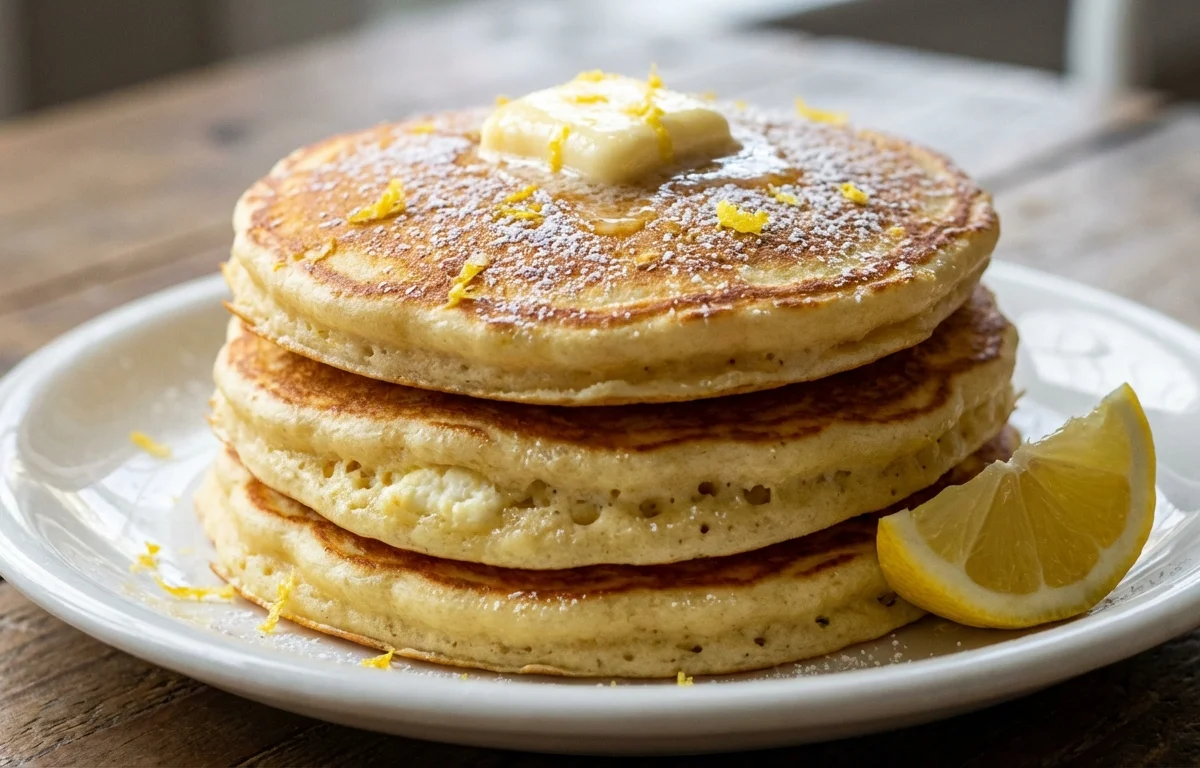
Spread it on toast with figs, whip it with honey for a dessert, or dollop it onto roasted vegetables. Its mild flavor is a blank canvas.
What ricotta is good for
01
A great source of protein
With over 11 grams of protein per 100g, ricotta helps with muscle repair, satiety, and keeping you full longer than a carb-based snack.
11.3 g
protein
02
Supports bone health
As a dairy product, ricotta is a good source of calcium, which is essential for building and maintaining strong bones and teeth.
16%
calcium DV
03
Excellent for blood sugar control
The combination of very low carbs and high protein/fat means ricotta has a minimal impact on blood sugar, making it ideal for low-carb diets and diabetes management.
3 g
carbs
04
A versatile, balanced ingredient
It provides fat and protein in one go, turning simple foods like fruit or toast into a more complete and satisfying mini-meal.
174
calories
What to pair ricotta with
Ricotta's mildness is its strength. It pairs beautifully with strong flavors, adding creamy texture without competing.
Eat freely — or be mindful?
Three ways to eat it
Move beyond lasagna with these simple, fresh ideas that let the ricotta shine.
Want balanced, high-protein meals planned for you?
Our meal planner uses ingredients like ricotta to build satisfying, macro-balanced recipes. Get a personalized plan that meets your goals, with a single, simple grocery list.
Build my weekly plan →SOURCES & REFERENCES · 3
One more thing
Eating well is rarely about willpower. It’s about having a short list of dinners you actually want to eat. Pick two from this list. Make them next week. The rest will follow.
If you want these on autopilot, our weekly meal planner can drop the picks above into your calendar with one click and build a single grocery list from the merged ingredients.
FREQUENTLY ASKED QUESTIONS
Frequently asked questions
Is ricotta cheese good for weight loss?
It can be. Its high protein content is very filling, which can help you eat less overall. However, it's also moderately high in calories from fat, so portion control is key. Using a few spoonfuls to make a meal more satisfying is a great strategy.
Which is healthier, ricotta or cottage cheese?
They're both excellent choices. Cottage cheese is generally higher in protein and lower in fat and calories. Ricotta is creamier and richer due to its higher fat content. For pure protein per calorie, cottage cheese often wins, but ricotta's texture and flavor make it better for certain dishes.
Is whole milk ricotta bad for you?
Not necessarily. While it's high in saturated fat, it's also a whole food that provides valuable protein and calcium. As part of a balanced diet, whole milk ricotta is perfectly fine in moderation. If you're actively managing heart health or calories, the part-skim version is a great alternative.
Can I eat ricotta on a keto diet?
Absolutely. With only about 3 grams of carbs per 100g serving, plus high fat and moderate protein, ricotta is an excellent food for a ketogenic diet.
METHODOLOGY
How this article was created
Built using verified nutrition databases, culinary research, and traditional cooking knowledge — every claim is cross-referenced against the sources listed in the article.
· USDA data· Culinary research· Quality reviewed
Read our methodology →TRANSPARENCY
About this content
Articles are curated using trusted food databases (USDA FoodData Central, IFCT), culinary literature, and dietary guidelines, then structured by our editorial team for clarity, accuracy, and usefulness.
· Verified data sources· Culinary research· Quality reviewed
Read our editorial policy →RELATED RECIPES
Cook from this article
EXPLORE OUR MEALS
Meals that fit this article

AMERICAN · 1677 CAL
Almonds with Sliced Apple + supplement + iron

MEDITERRANEAN · 809 CAL
Greek Yogurt with Berries Almonds and Granola + supplement + iron

GENERAL_HEALTHY · 705 CAL
Banana with Peanut Butter Pregnancy + supplement + iron

MODERN · 982 CAL
Hummus with Crudits and Pita with Fresh Orange Snack + supplement + iron
TAGGED
KEEP READING