
meat3 recipes
Beef Bones.
VegetarianVeganGluten-freeDairy-freeNut-freePeanut-freeSoy-freeEgg-freeShellfish-freeHoney-freeAlcohol-free
ALSO KNOWN AS
soup bonesmarrow bonesknuckle bonesstock boneshaddi
SERVING
CALORIES
250
PROTEIN
15g
CARBS
0g
FAT
20g
FIBER
0g
This ingredient is flagged as naturally gluten-free.
NUTRITION PROFILE · per 100 g
Everything in this ingredient.
MACRONUTRIENTS
Calories250kcal—
Protein15g30%
Carbohydrates0g0%
Fiber0g0%
Sugar0g0%
Total fat20g26%
Saturated fat8.5g43%
Trans fat1.0g—
Cholesterol60mg20%
Water45g—
MINERALS
Sodium50mg2%
Potassium150mg3%
Calcium15mg1%
Iron1.5mg8%
%DV based on a 2,000 cal diet. Source: USDA FoodData Central. A dash in the %DV column means there’s no established Daily Value for that nutrient.
MEASUREMENT CONVERSIONS
How much is what.
1 piece300g
HEALTH BENEFITS
Why eat it.
- ✓Rich in collagen and gelatin
- ✓Contains essential amino acids
- ✓Good source of minerals like phosphorus
COOKING TIPS
In the kitchen.
- 1Roast bones at 400°F (200°C) for 30 minutes before making stock for better flavor
- 2Add a splash of apple cider vinegar to the stock pot to help extract minerals
STORAGE
Keep it fresh.
- Store in the freezer for up to 6 months
- Keep refrigerated and use within 2-3 days
FAQ
Frequently asked questions.
How long should I boil beef bones for stock?
For maximum nutrient extraction, simmer for at least 12 to 24 hours.
Can I reuse beef bones?
Yes, you can reuse them for a second, weaker stock (remouillage), but the nutrients will be significantly lower.
What is the difference between marrow bones and knuckle bones?
Marrow bones are straight and contain fatty marrow; knuckle bones contain more collagen and connective tissue.
Are beef bones safe for dogs?
Raw beef bones are generally safe, but cooked bones can splinter and should be avoided.
How do I know if the bones are fresh?
Fresh bones should have a clean, neutral smell and any remaining meat should be bright red.
Can I freeze beef bones?
Yes, they freeze exceptionally well for up to 6 months in airtight packaging.
Do beef bones contain calories?
The bones themselves are not eaten, but the marrow and connective tissue provide about 240 calories per 100g.
What can I substitute for beef bones?
Veal bones are the best substitute, or you can use high-quality store-bought beef base.
Is bone broth the same as stock?
Bone broth is essentially stock that has been simmered for a much longer period to extract collagen.
Where can I buy beef bones?
You can find them at local butcher shops, the meat counter of most grocery stores, or ethnic markets.
RECIPES
Cook with beef bones.
3 recipes · sorted by what’s quick
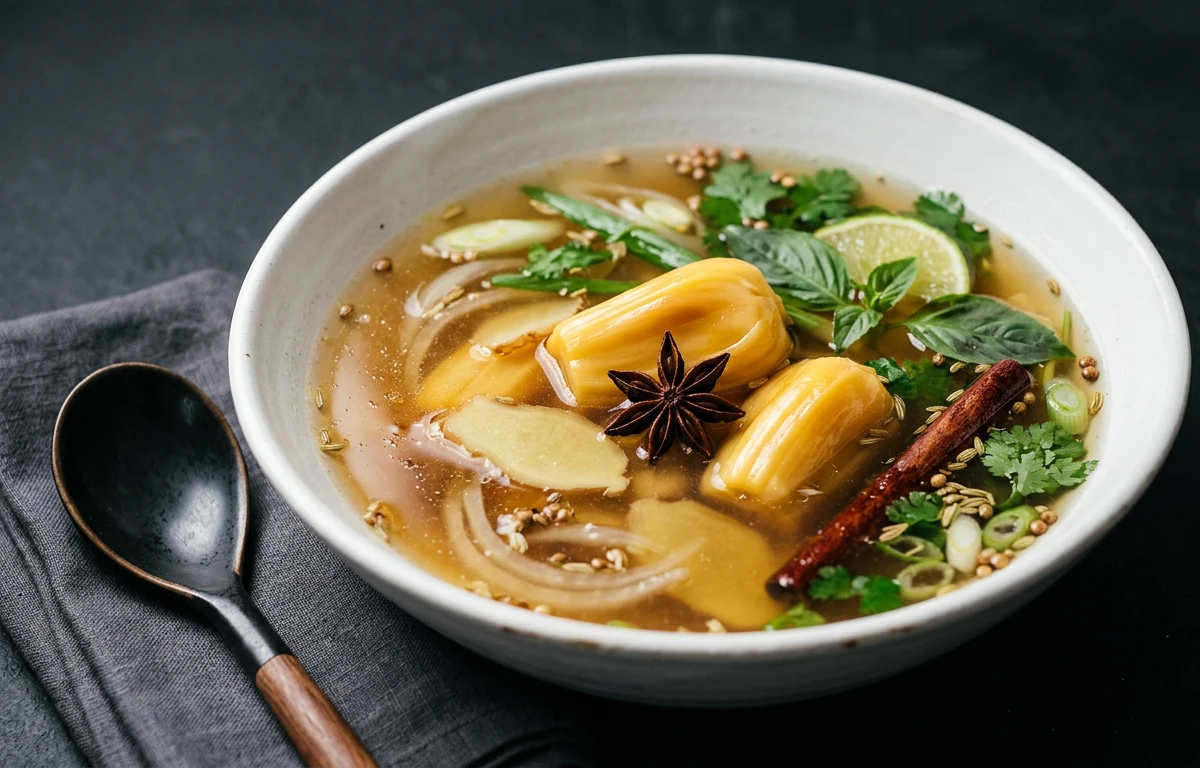
SAME CATEGORY
Other meat.
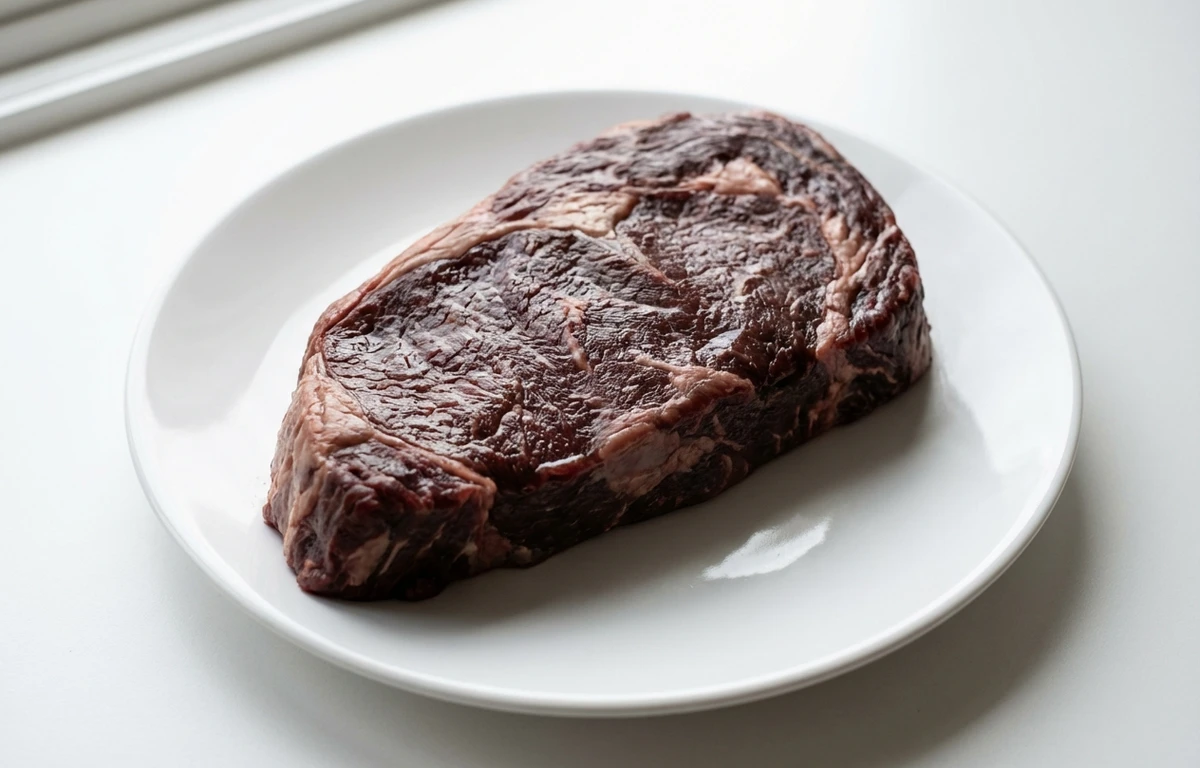
black bear meat
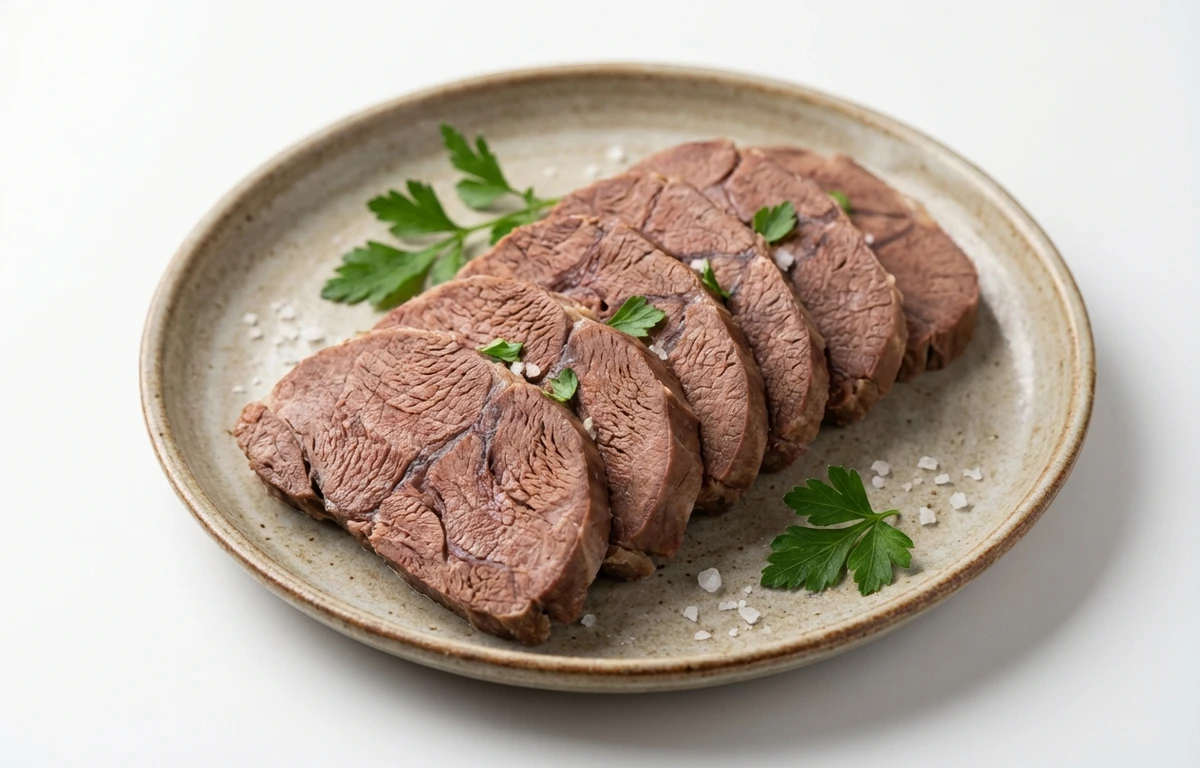
boiled beef heart
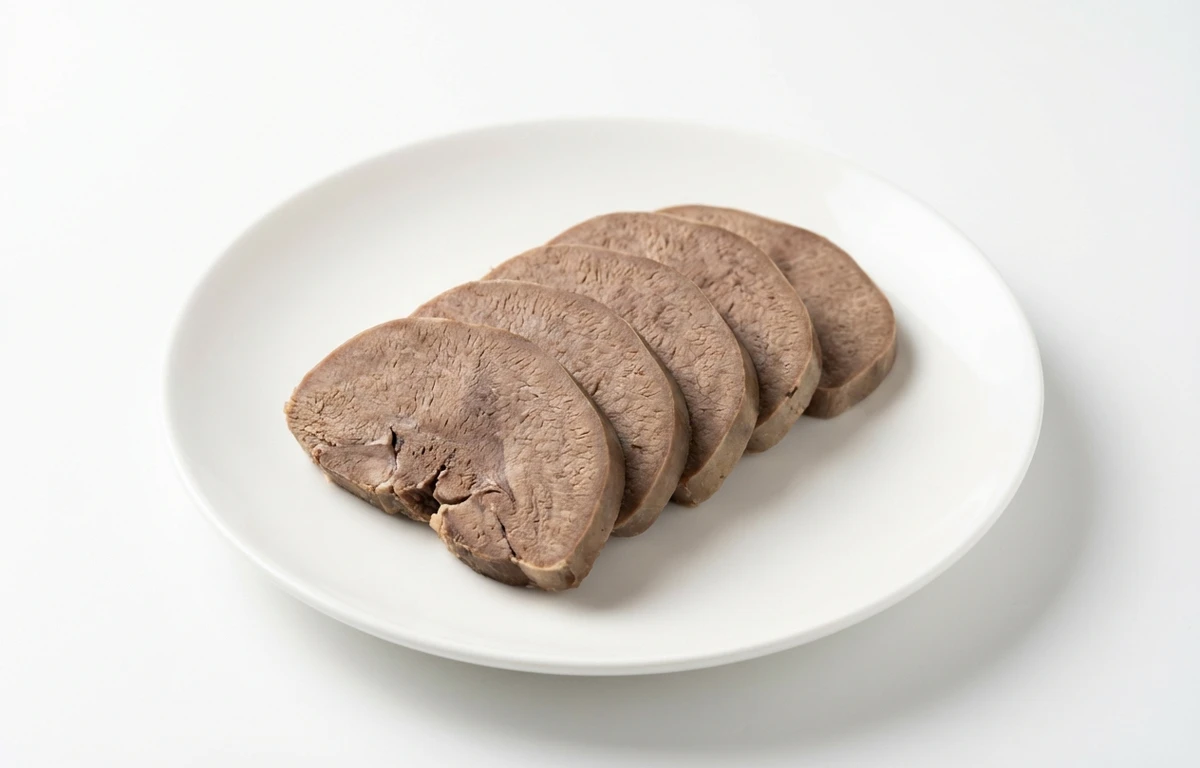
boiled beef kidney
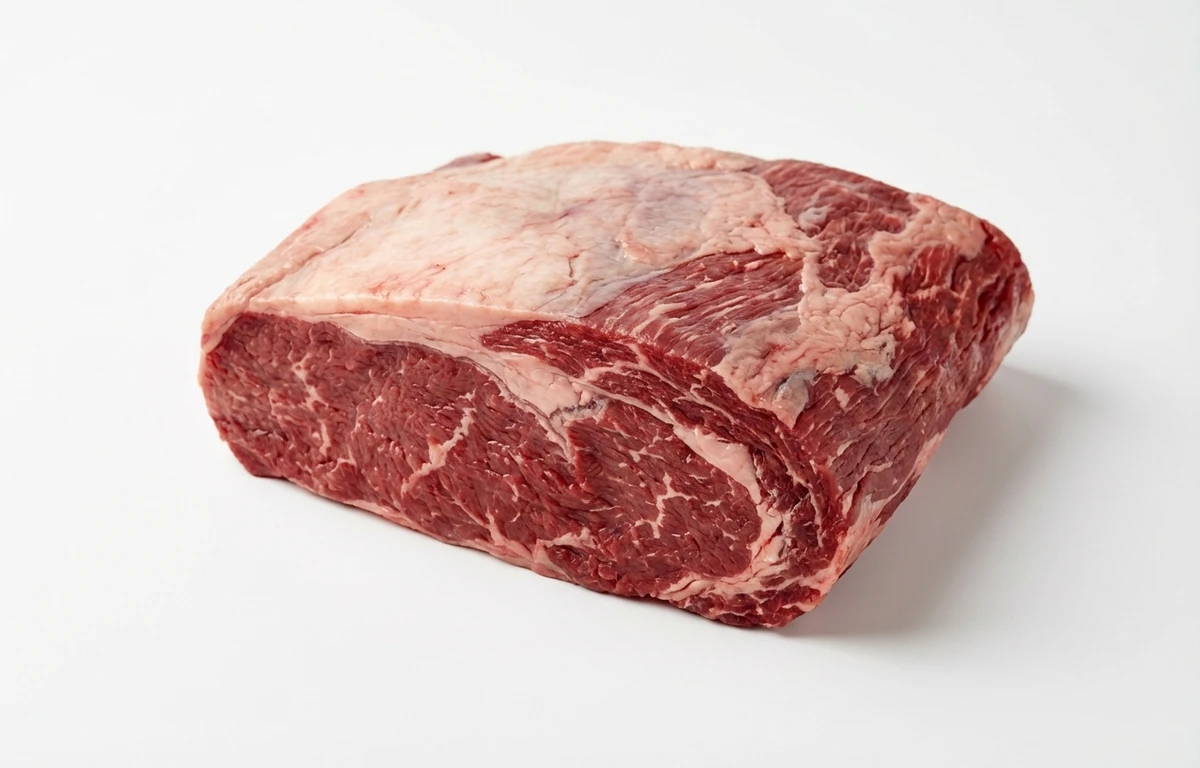
braised beef brisket navel end lean
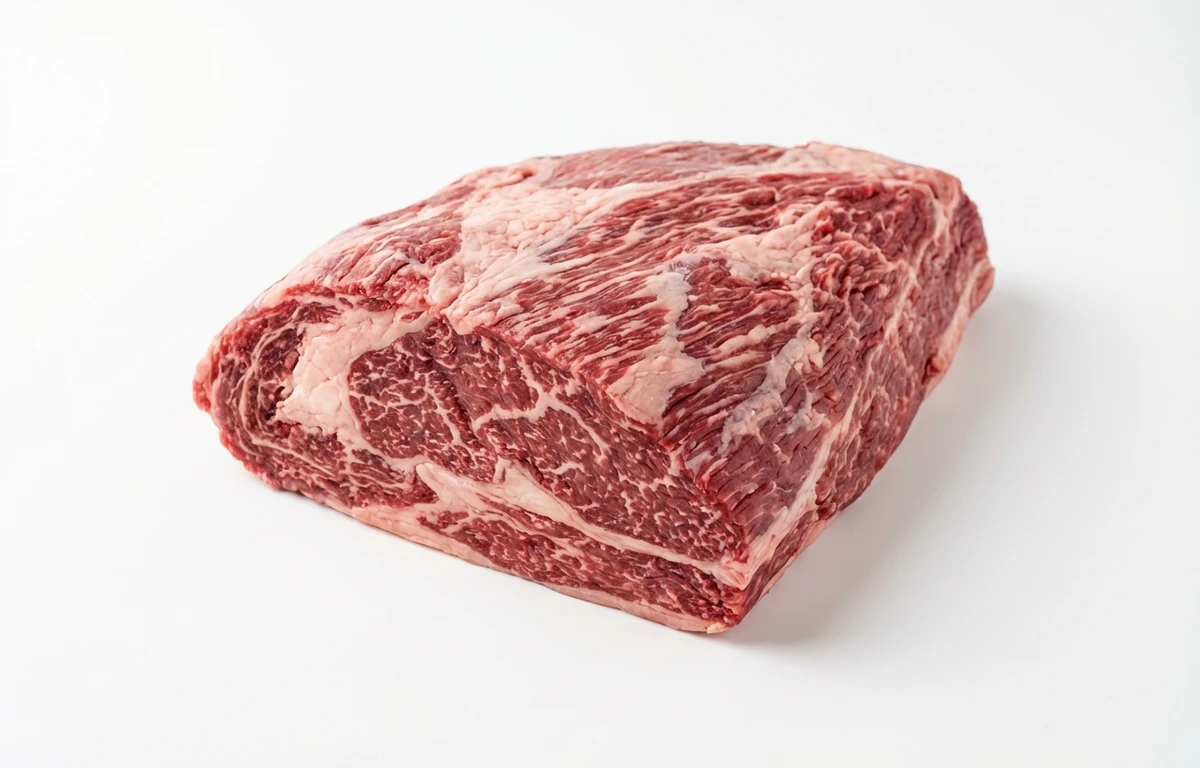
braised beef brisket point end lean
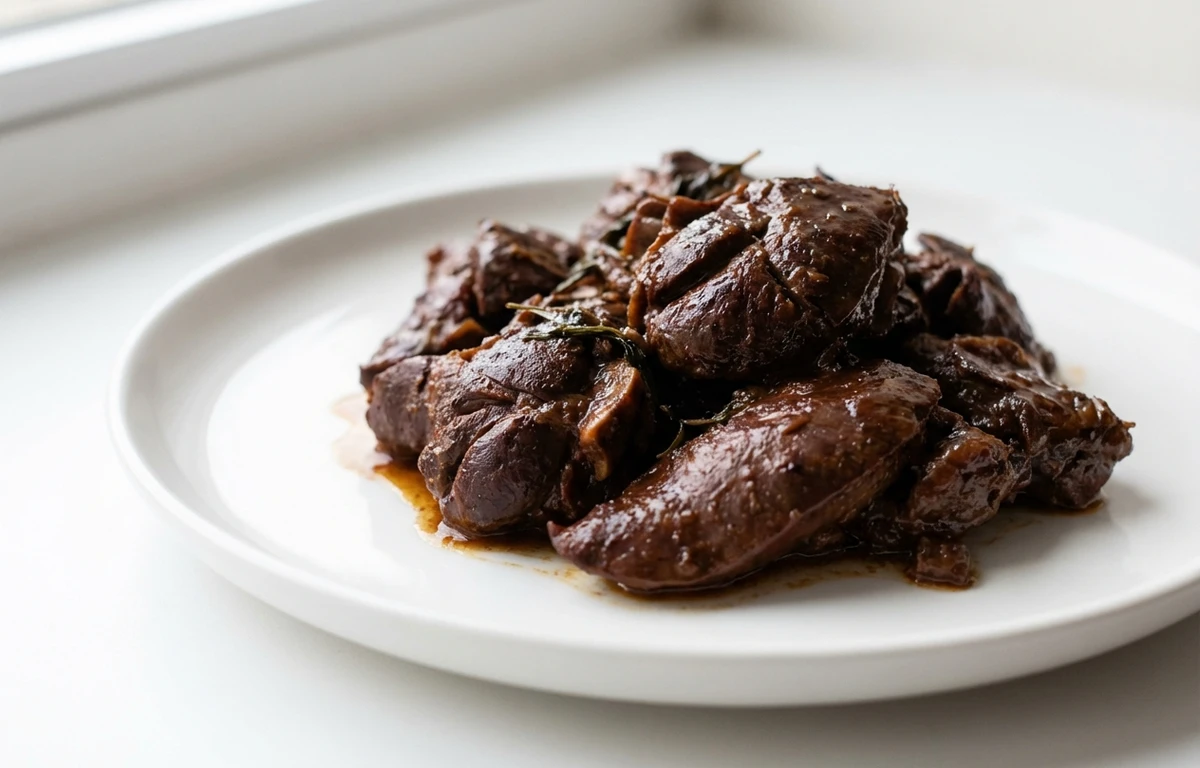
braised cooked lamb lungs
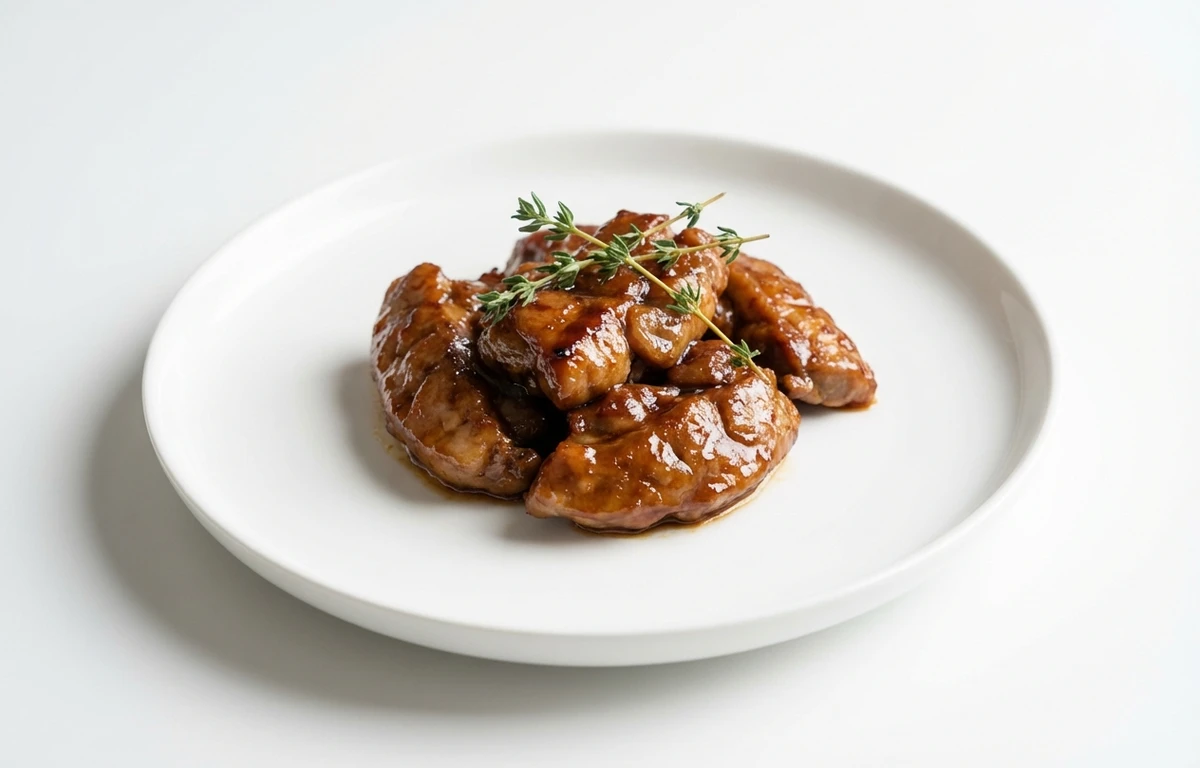
braised cooked lamb pancreas
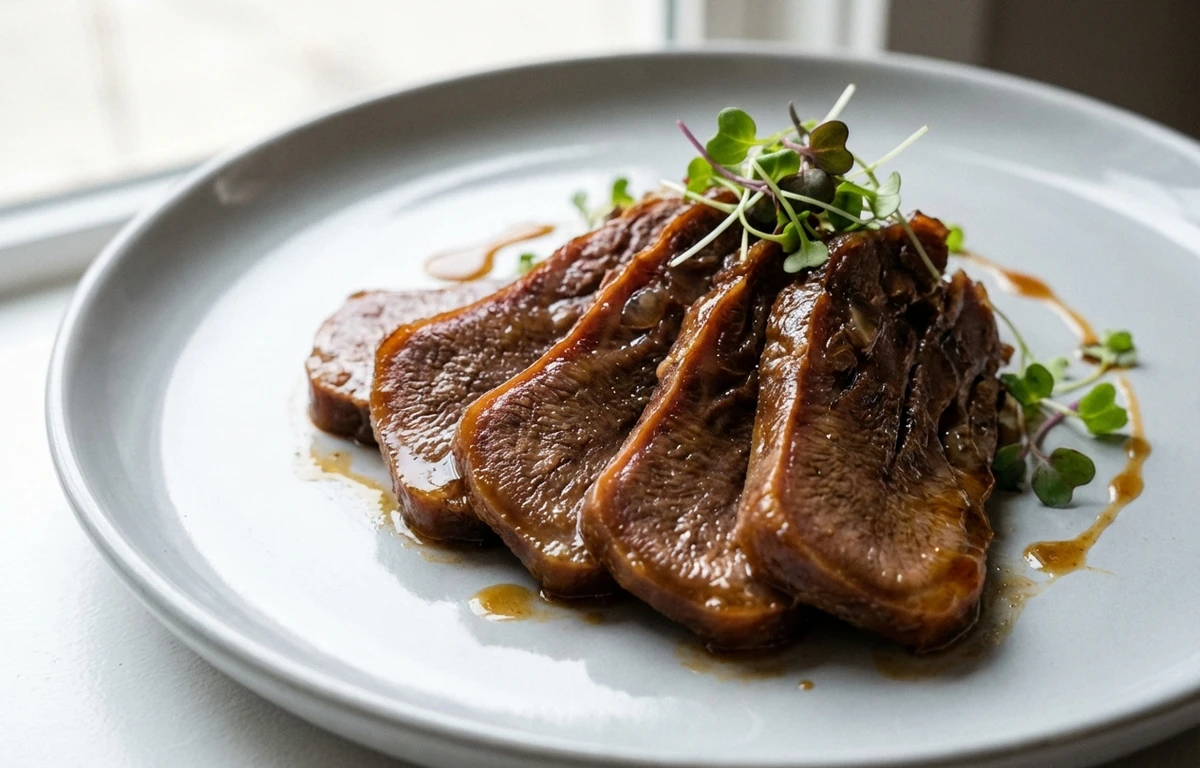
braised cooked lamb tongue
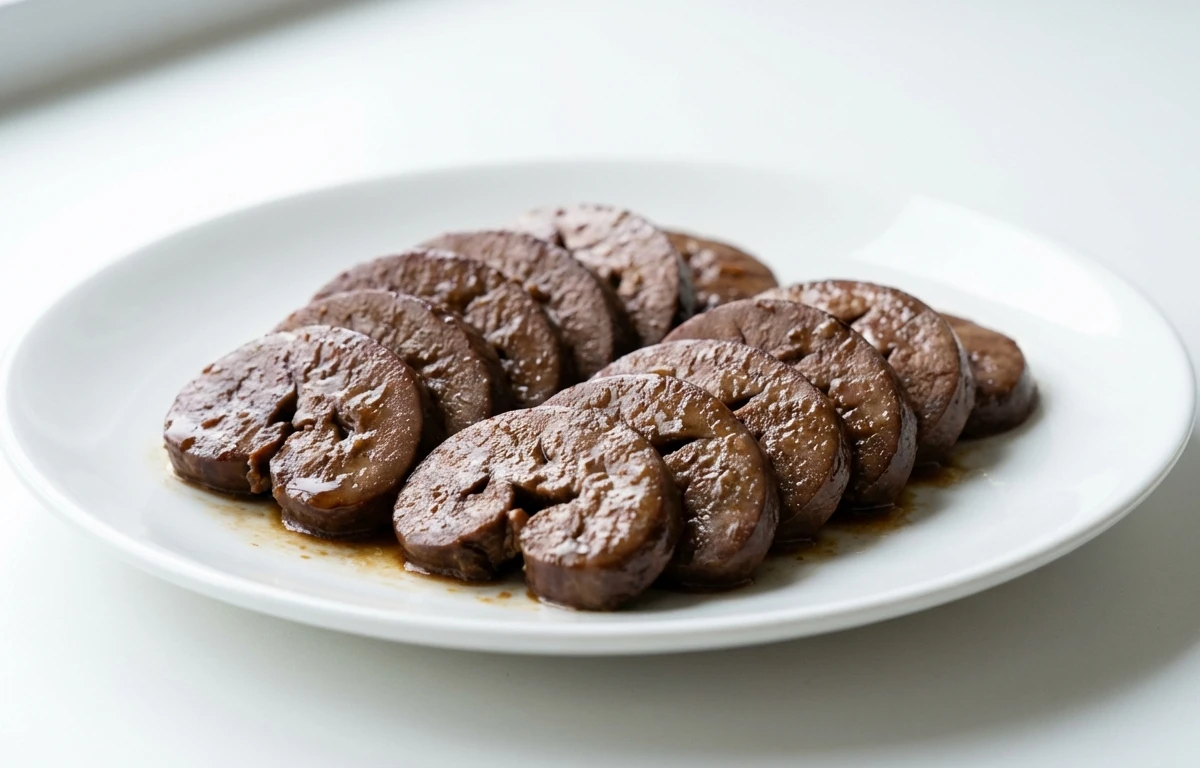
braised cooked pork kidneys
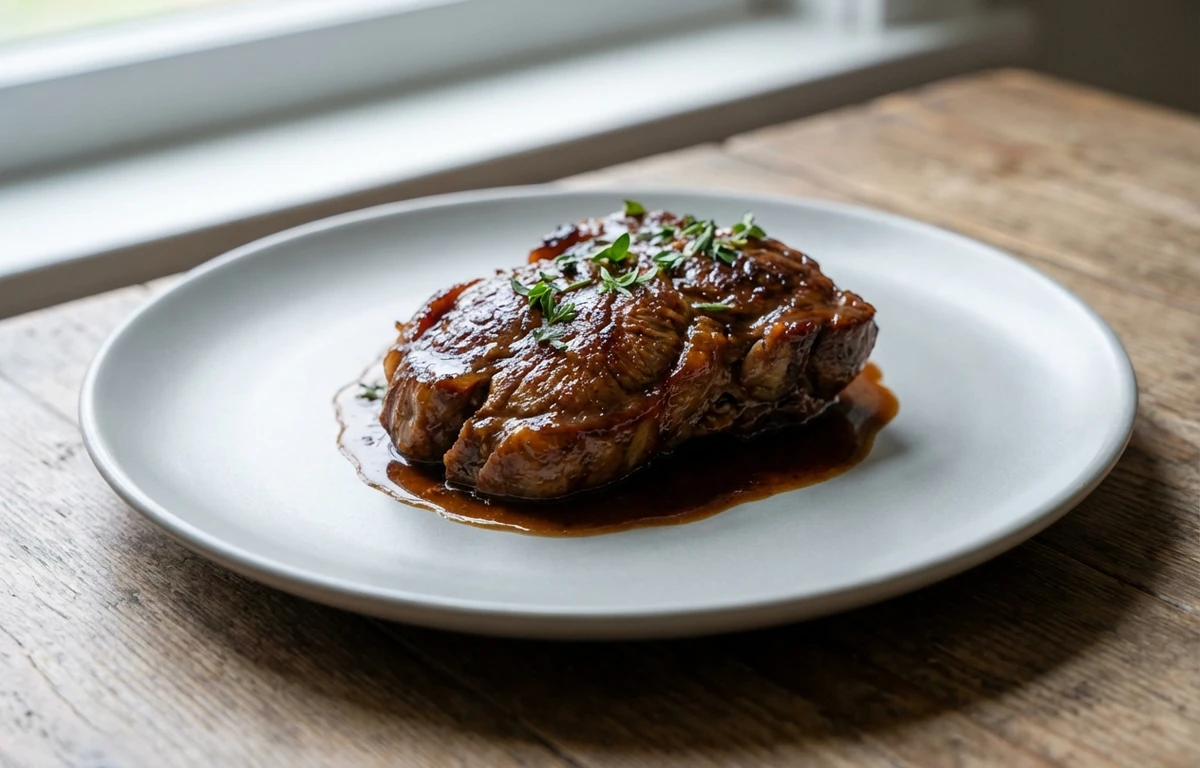
braised cooked veal thymus
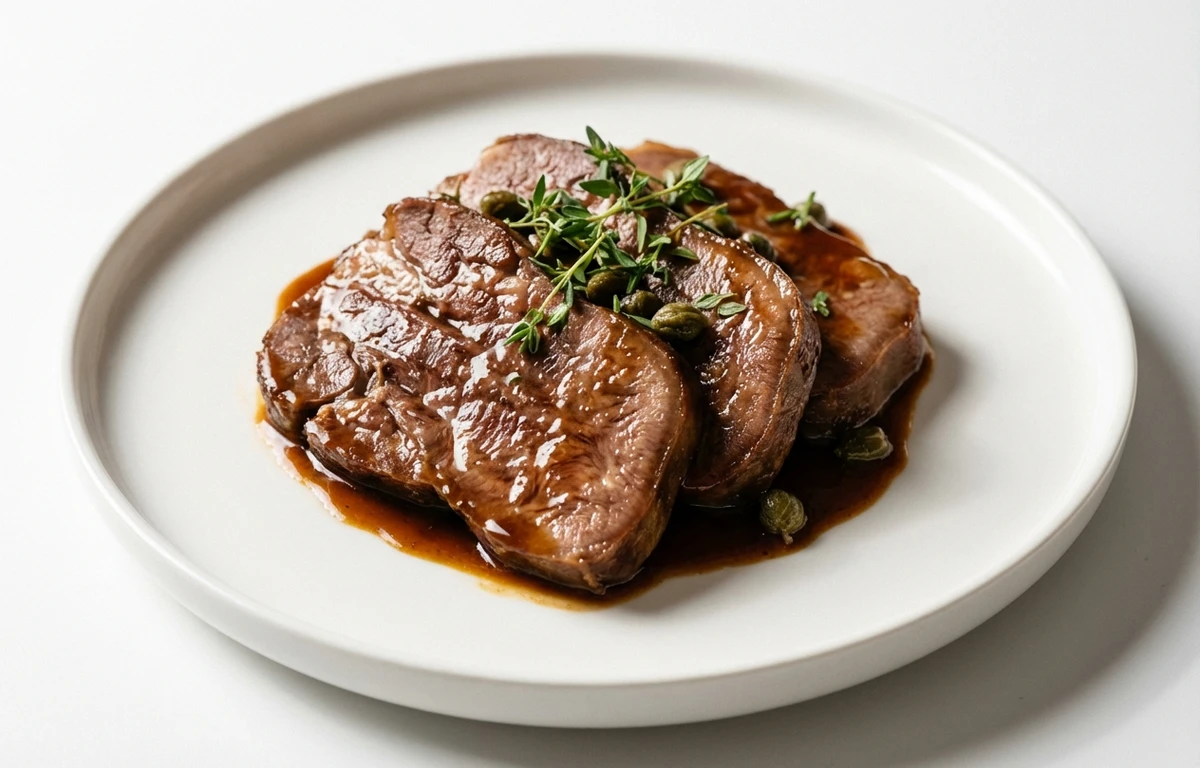
braised cooked veal tongue
braised select bottom round beef steak









