Other2 recipes
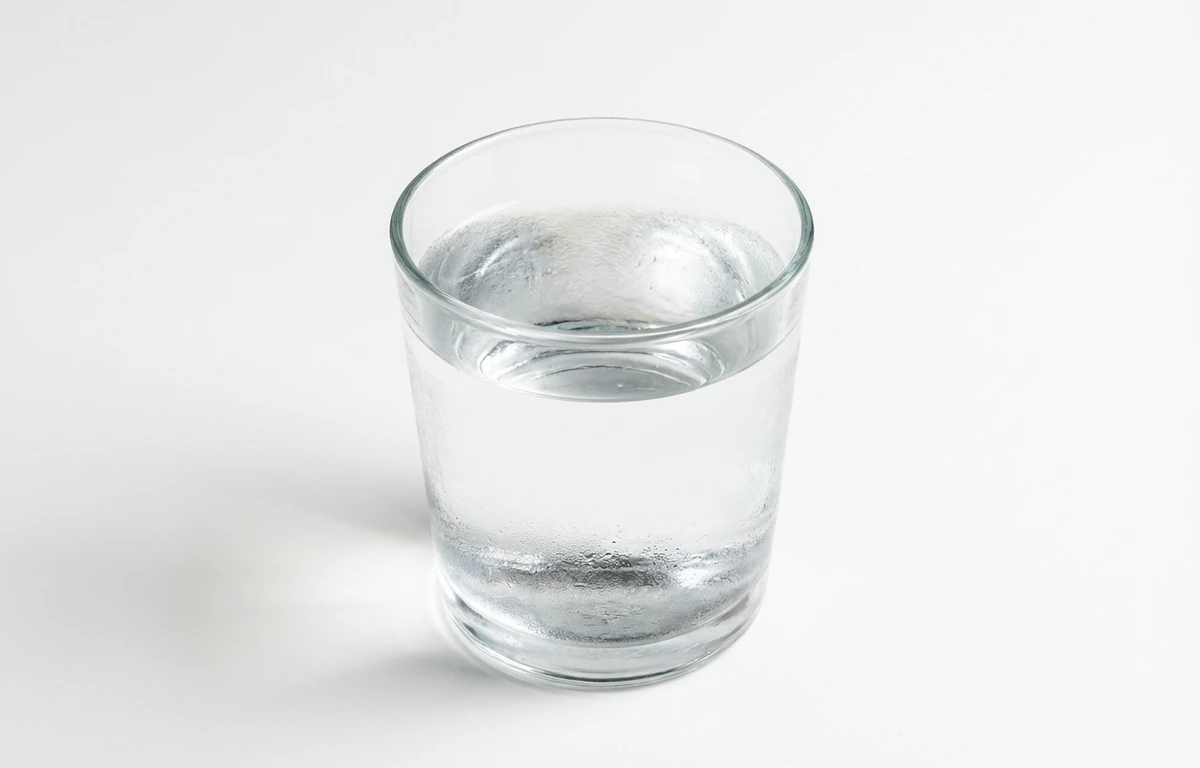
cool water.
VegetarianVeganGluten-freeDairy-freeNut-freePeanut-freeSoy-freeEgg-freeShellfish-freeHoney-freeAlcohol-free
ALSO KNOWN AS
paniiced waterchilled watercold water
SERVING
CALORIES
0
PROTEIN
0g
CARBS
0g
FAT
0g
FIBER
0g
NUTRITION PROFILE · per 100 g
Everything in this ingredient.
MACRONUTRIENTS
Calories0kcal—
Protein0g0%
Carbohydrates0g0%
Fiber0g0%
Sugar0g0%
Total fat0g0%
Saturated fat0g0%
Trans fat0g—
Cholesterol0mg0%
Water100g—
MINERALS
Sodium2.0mg0%
Potassium0mg0%
Calcium10mg1%
Iron0mg0%
Magnesium2.0mg0%
Phosphorus0mg0%
Zinc0mg0%
Copper0.01mg1%
Selenium0µg0%
VITAMINS
Vitamin A0µg0%
Vitamin C0mg0%
Vitamin D0µg0%
Vitamin E0mg0%
Vitamin K0µg0%
Thiamin (B1)0mg0%
Riboflavin (B2)0mg0%
Niacin (B3)0mg0%
Pantothenic acid (B5)0mg0%
Vitamin B60mg0%
Folate (B9)0µg0%
Vitamin B120µg0%
%DV based on a 2,000 cal diet. Source: USDA FoodData Central. A dash in the %DV column means there’s no established Daily Value for that nutrient.
MEASUREMENT CONVERSIONS
How much is what.
1 cup240g
1 tablespoon14.8g
1 teaspoon4.9g
1 ml1g
1 liter987.5g
HEALTH BENEFITS
Why eat it.
- ✓Essential for hydration, which supports all bodily functions.
- ✓Aids in regulating body temperature, especially during exercise or in hot climates.
- ✓Facilitates nutrient transport and waste removal from cells.
- ✓Supports digestion and helps prevent constipation.
- ✓Acts as a zero-calorie beverage that can aid in weight management by promoting satiety.
COOKING TIPS
In the kitchen.
- 1Use ice-cold water for making pastry dough (like pie crusts or biscuits) to keep the fat solid, which creates a flaky texture upon baking.
- 2Plunge blanched vegetables into an ice water bath to immediately stop the cooking process, preserving their vibrant color and crispness.
- 3When poaching delicate items like eggs or fish, starting with cool water and bringing it to temperature gently can prevent the exterior from overcooking.
- 4Use cool water to bloom gelatin, allowing the granules to absorb the liquid evenly before being dissolved.
STORAGE
Keep it fresh.
- Store in a clean, sealed container in the refrigerator (35-40°F or 1-4°C) to keep it cool and prevent it from absorbing odors.
- For long-term storage of bottled water, keep it in a cool, dark place away from direct sunlight and chemicals to maintain quality.
FAQ
Frequently asked questions.
Is cool water healthy?
Yes, cool water is essential for health as it provides hydration without calories, sugar, or additives. It supports vital functions like temperature regulation, digestion, and nutrient transport throughout the body.
Does cool water contain any calories or macronutrients?
No, cool water contains 0 calories, 0g of protein, 0g of carbohydrates, and 0g of fat. It is the purest form of hydration and does not contribute to your daily caloric intake.
Can drinking cool water help with weight loss?
Yes, cool water can aid weight management by promoting a feeling of fullness, which may reduce overall food intake. Additionally, the body uses a small amount of energy to warm the water to body temperature, slightly increasing caloric burn.
Is cool water vegan and gluten-free?
Yes, cool water is naturally vegan, gluten-free, and free from all common allergens. It is suitable for virtually every dietary restriction and lifestyle.
Is cool water keto-friendly?
Absolutely. Cool water is 100% keto-friendly as it contains zero carbohydrates. Staying hydrated is particularly important on a ketogenic diet to help the kidneys process metabolic byproducts.
How is cool water used in cooking and baking?
In cooking, it is used for boiling, steaming, and thinning sauces. In baking, cool or chilled water is specifically used in pastry and pie doughs to keep fats like butter solid, which results in a flaky texture.
Is cool water better for hydration than warm water?
While both hydrate effectively, cool water is often absorbed faster by the body and is more palatable during or after exercise. It is especially beneficial for lowering core body temperature in hot climates.
How should cool water be stored?
Store cool water in clean, food-grade containers made of glass, stainless steel, or BPA-free plastic. Keep it in a refrigerator or a cool, dark place away from direct sunlight to prevent the growth of algae or bacteria.
Does cool water expire?
Water itself does not expire, but it can pick up tastes from its container or the environment over time. Bottled water often has an expiration date because the plastic packaging can eventually leach chemicals into the liquid.
Can I use cool water to wash fresh produce?
Yes, rinsing fruits and vegetables under cool running water is the recommended way to remove surface dirt and bacteria. Cool water also helps maintain the crispness of leafy greens and vegetables compared to warm water.
RECIPES
Cook with cool water.
2 recipes · sorted by what’s quick