
Other
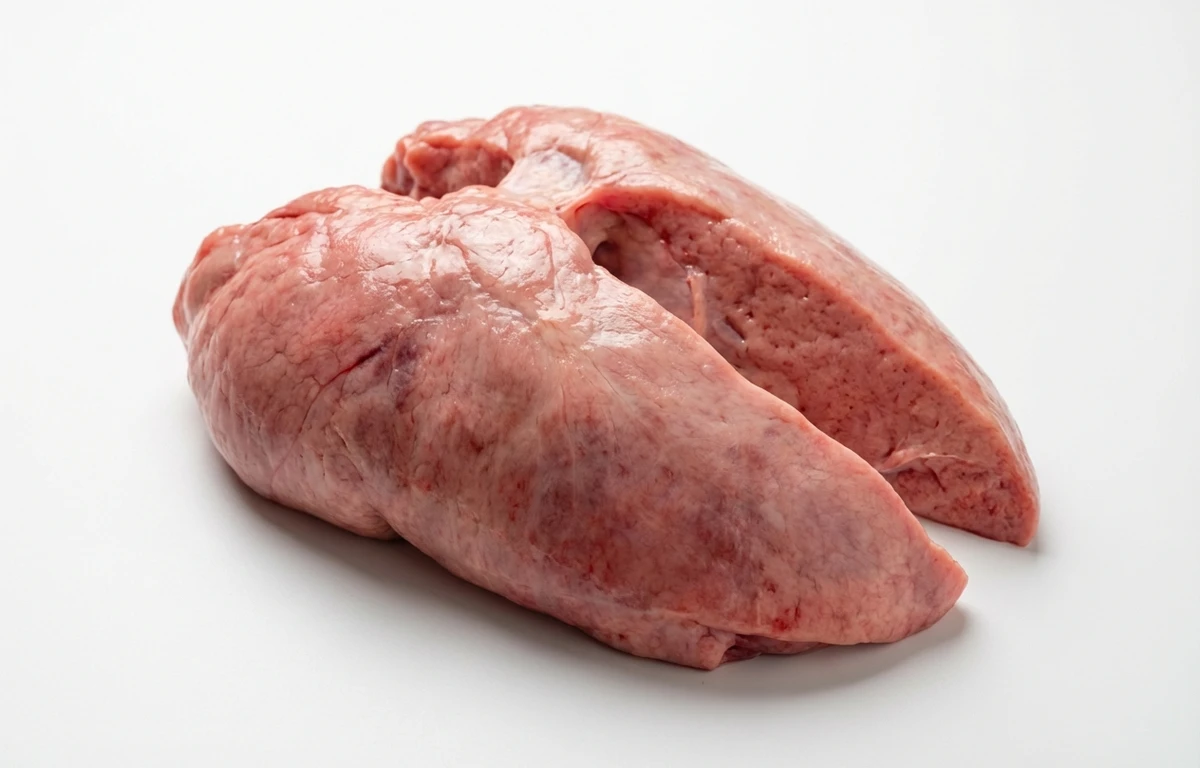
sheep lungs.
VegetarianVeganGluten-freeDairy-freeNut-freePeanut-freeSoy-freeEgg-freeShellfish-freeHoney-freeAlcohol-free
SERVING
CALORIES
87
PROTEIN
16.1g
CARBS
0g
FAT
2.4g
FIBER
0g
This ingredient is flagged as naturally gluten-free. Per 100 g, it provides 4.9 µg of vitamin K.
NUTRITION PROFILE · per 100 g
Everything in this ingredient.
MACRONUTRIENTS
Calories86.8kcal—
Protein16.1g32%
Carbohydrates0g0%
Fiber0g0%
Sugar0g0%
Total fat2.4g3%
Saturated fat1.1g6%
Trans fat0g—
Cholesterol431mg144%
Water80.4g—
MINERALS
Sodium109mg5%
Potassium204mg4%
Calcium7.7mg1%
Iron8.6mg48%
Magnesium11.7mg3%
Phosphorus187mg15%
Zinc1.6mg14%
Copper0.41mg46%
Manganese0.03mg1%
Selenium16.1µg29%
VITAMINS
Vitamin A2.5µg0%
Vitamin C0mg0%
Vitamin D0.31µg2%
Vitamin E0.08mg1%
Vitamin K4.9µg4%
Thiamin (B1)0.07mg6%
Riboflavin (B2)0.23mg18%
Niacin (B3)2.8mg17%
Pantothenic acid (B5)0.88mg18%
Vitamin B60.02mg1%
Biotin (B7)13.9µg46%
Folate (B9)0µg0%
%DV based on a 2,000 cal diet. Source: USDA FoodData Central. A dash in the %DV column means there’s no established Daily Value for that nutrient.
MEASUREMENT CONVERSIONS
How much is what.
1 oz28.4g
1 lb453.6g
1 piece1300g
HEALTH BENEFITS
Why eat it.
- ✓Rich in Vitamin B12, essential for nerve function, DNA synthesis, and the formation of red blood cells.
- ✓Provides a high concentration of complete protein, necessary for building and repairing tissues and muscles.
COOKING TIPS
In the kitchen.
- 1Thoroughly clean the lungs before cooking by rinsing them under cold running water and flushing the airways to remove any impurities.
- 2It is common practice to first boil the lungs whole until they are firm. This makes them easier to slice or mince and helps to clean them further.
- 3Due to their spongy texture, lungs are best used in minced or finely chopped applications like sausages, stuffings (e.g., haggis), or long-cooked stews.
- 4Braise or stew with aromatic vegetables, herbs, and spices to infuse flavor and tenderize the texture.
STORAGE
Keep it fresh.
- Store fresh sheep lungs in the coldest part of the refrigerator (at or below 40°F / 4°C) and cook within 1-2 days due to their high perishability.
- For longer storage, freeze immediately. Wrap tightly in plastic wrap and place in a freezer-safe bag, where they can be stored for up to 3 months.
FAQ
Frequently asked questions.
Are sheep lungs healthy?
Yes, sheep lungs are highly nutritious, offering a lean source of protein with very little fat. They are particularly rich in heme iron and Vitamin B12, which support blood health, energy levels, and nerve function.
How much protein and calories are in sheep lungs?
A 100g serving of sheep lungs contains approximately 86.76 calories and 16.12g of protein. With 0g of carbohydrates and only 2.41g of fat, they are an excellent high-protein, low-calorie food choice.
Are sheep lungs halal or kosher?
Sheep lungs are generally considered halal if the animal was slaughtered according to Islamic law. In Jewish dietary law (kosher), lungs must be 'glatt' or free of adhesions to be considered acceptable, and specific inspection rules apply.
How do you cook sheep lungs?
Sheep lungs are typically boiled first to firm up their spongy texture, then sliced and sautéed with spices or added to stews. They are a traditional ingredient in dishes like Scottish haggis or various stir-fries.
What do sheep lungs taste like?
Sheep lungs have a mild, slightly gamey flavor and a unique, airy, or spongy texture. Because they are porous, they are excellent at absorbing the flavors of the sauces, herbs, and spices they are cooked with.
How should I store sheep lungs?
Fresh sheep lungs should be kept in the coldest part of the refrigerator and used within 1-2 days. For long-term storage, they can be frozen for up to 3-4 months if sealed in airtight, moisture-proof packaging.
Can I eat sheep lungs raw?
No, sheep lungs should always be thoroughly cooked to an internal temperature of at least 160°F (71°C). Cooking is necessary to eliminate any potential bacteria or pathogens that may be present in the organ tissue.
Why are sheep lungs banned in the United States?
The USDA has prohibited the sale of sheep lungs for human consumption since 1971. This regulation exists because of concerns that stomach fluids or environmental contaminants could enter the lungs during the slaughtering process.



















