
Other
sheep shoulder.
VegetarianVeganGluten-freeDairy-freeNut-freePeanut-freeSoy-freeEgg-freeShellfish-freeHoney-freeAlcohol-free
SERVING
CALORIES
201
PROTEIN
18.2g
CARBS
0g
FAT
14.3g
FIBER
0g
This ingredient is flagged as naturally gluten-free. Per 100 g, it provides 6.8 µg of vitamin K.
NUTRITION PROFILE · per 100 g
Everything in this ingredient.
MACRONUTRIENTS
Calories201kcal—
Protein18.2g36%
Carbohydrates0g0%
Fiber0g0%
Sugar0g0%
Total fat14.3g18%
Saturated fat6.9g35%
Trans fat0g—
Cholesterol74.7mg25%
Water66.5g—
MINERALS
Sodium45.6mg2%
Potassium336mg7%
Calcium5.5mg0%
Iron1.6mg9%
Magnesium21.3mg5%
Phosphorus195mg16%
Zinc3.7mg34%
Copper0.07mg8%
Manganese0.02mg1%
Selenium22.4µg41%
VITAMINS
Vitamin A8.7µg1%
Vitamin C0mg0%
Vitamin D0.07µg0%
Vitamin E0.31mg2%
Vitamin K6.8µg6%
Thiamin (B1)0.05mg4%
Riboflavin (B2)0.18mg14%
Niacin (B3)4.5mg28%
Pantothenic acid (B5)0.96mg19%
Vitamin B60.15mg9%
Biotin (B7)3.2µg11%
Folate (B9)0µg0%
%DV based on a 2,000 cal diet. Source: USDA FoodData Central. A dash in the %DV column means there’s no established Daily Value for that nutrient.
MEASUREMENT CONVERSIONS
How much is what.
1 oz28.4g
1 lb453.6g
1 piece3000g
HEALTH BENEFITS
Why eat it.
- ✓Rich source of high-quality complete protein, essential for muscle repair, growth, and overall body function.
- ✓Provides significant amounts of B vitamins, especially Vitamin B12 for nerve function and red blood cell formation, and Niacin (B3) for energy metabolism.
COOKING TIPS
In the kitchen.
- 1Sheep shoulder is a tougher cut with significant connective tissue, making it ideal for slow-cooking methods like braising, stewing, or slow-roasting to break down collagen and achieve tenderness.
- 2For roasting, score the fat cap and season generously with salt, pepper, garlic, and herbs like rosemary and thyme. Roasting low and slow (e.g., at 325°F or 160°C) yields a succulent result.
- 3Cooking the shoulder on the bone adds immense flavor and moisture to the final dish. The meat can be easily pulled or carved off the bone after resting.
- 4After cooking, always let the meat rest for at least 15-20 minutes before carving. This allows the juices to redistribute, ensuring a more moist and flavorful result.
STORAGE
Keep it fresh.
- Store raw sheep shoulder in the refrigerator at 40°F (4°C) or below for up to 3-5 days in its original packaging or a tightly sealed container.
- For long-term storage, wrap tightly in plastic wrap and heavy-duty foil or place in a freezer bag, and freeze at 0°F (-18°C) for up to 9 months.
- Thaw frozen shoulder safely in the refrigerator over 24-48 hours, not at room temperature, to prevent bacterial growth.
FAQ
Frequently asked questions.
How much protein and calories are in sheep shoulder?
A 100g serving of sheep shoulder contains approximately 200.76 calories and 18.24g of protein. It contains 0g of carbohydrates and about 14.31g of fat, making it a high-protein, moderate-fat food source.
Is sheep shoulder keto-friendly?
Yes, sheep shoulder is excellent for keto and low-carb diets because it contains zero carbohydrates. Its natural fat content and high protein profile help maintain ketosis while providing essential fat-soluble vitamins.
Is sheep shoulder halal or kosher?
Sheep is a permissible meat in both Halal and Kosher diets. However, for the meat to be considered truly Halal or Kosher, the animal must be slaughtered and processed according to specific religious dietary laws and certified by a recognized authority.
What is the best way to cook sheep shoulder?
Because the shoulder is a hardworking muscle with significant connective tissue, it is best suited for 'low and slow' cooking methods. Braising, slow-roasting, or stewing allows the collagen to break down, resulting in tender, succulent meat.
What does sheep shoulder taste like?
Sheep shoulder has a rich, robust, and slightly gamey flavor that is more intense than lamb. Its higher fat content compared to other cuts gives it a deep savory profile that pairs well with strong herbs like rosemary, garlic, and oregano.
Can I substitute sheep shoulder with another cut?
Yes, lamb shoulder is the closest substitute, offering a milder flavor and similar texture. For slow-cooked recipes, beef chuck roast or goat meat can also be used as alternatives due to their similar fat and connective tissue content.
How do I know if sheep shoulder has gone bad?
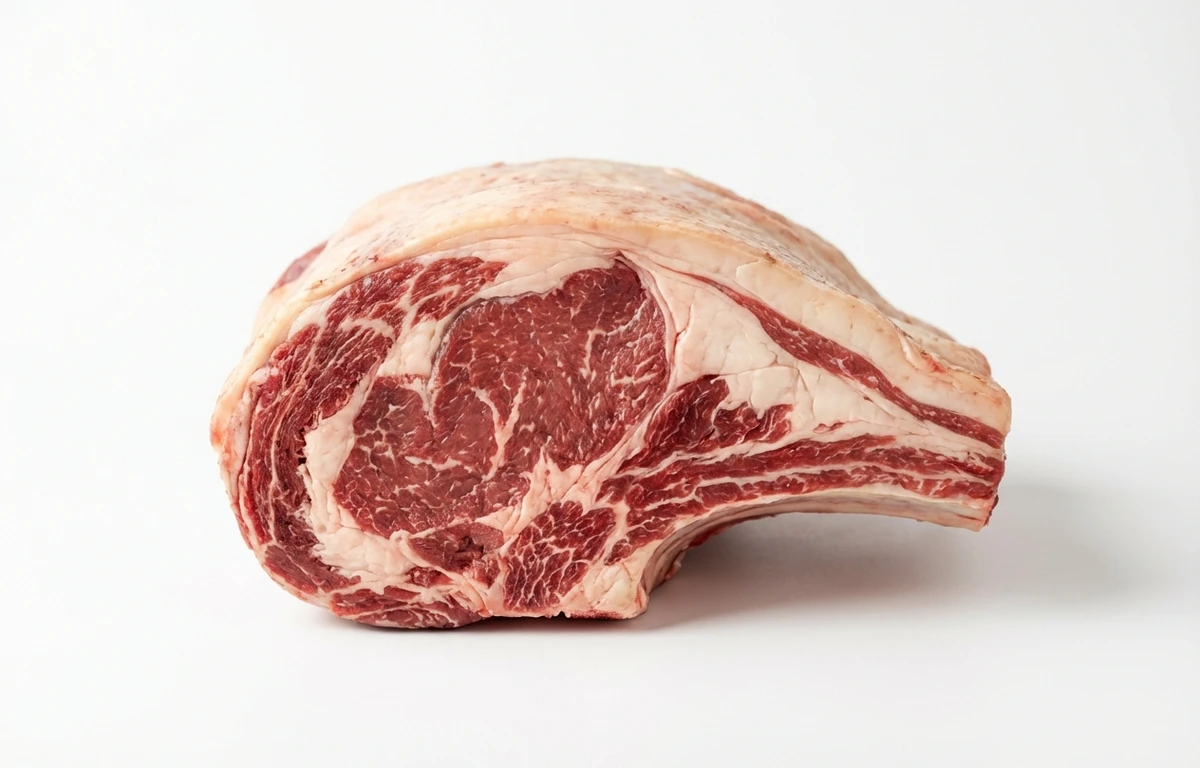
Fresh sheep shoulder should be pinkish-red with firm white fat. If the meat develops a grey or greenish tint, feels slimy or tacky to the touch, or emits a strong, sour, or ammonia-like odor, it has spoiled and should be discarded.



















