
Other1 recipes
spring water.
VegetarianVeganGluten-freeDairy-freeNut-freePeanut-freeSoy-freeEgg-freeShellfish-freeHoney-freeAlcohol-free
ALSO KNOWN AS
natural spring water
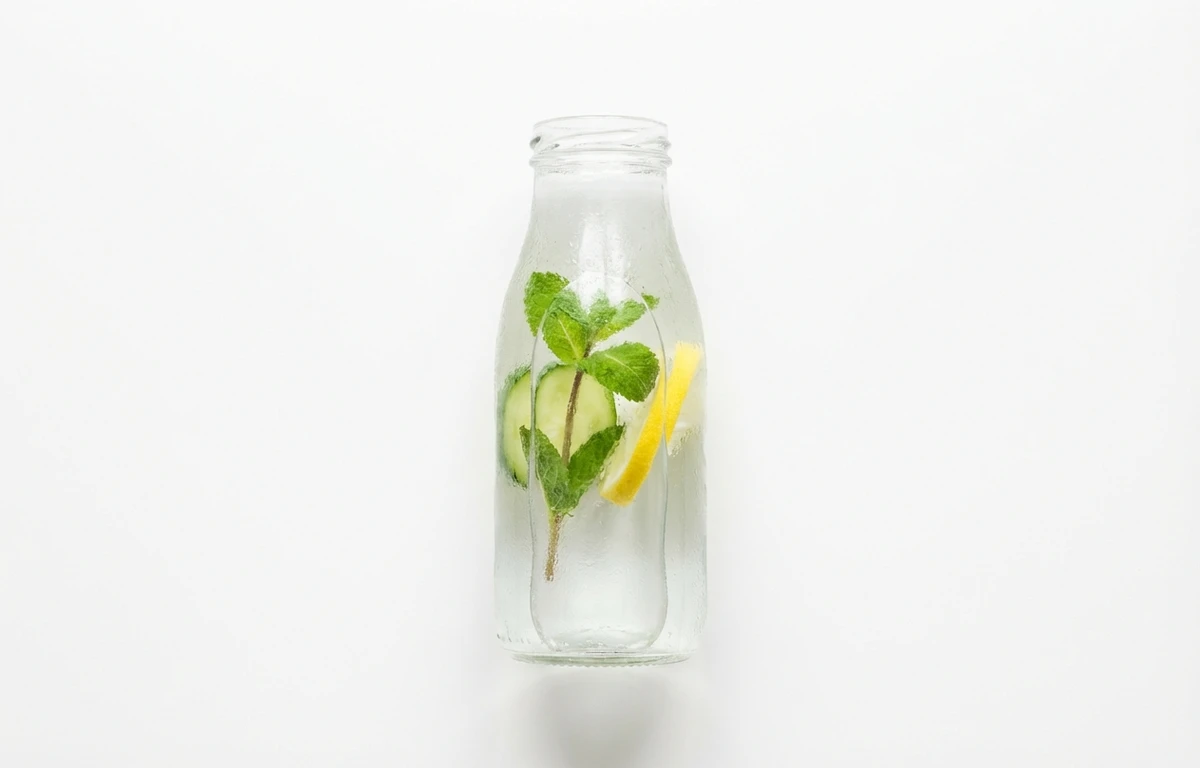
SERVING
CALORIES
0
PROTEIN
0g
CARBS
0g
FAT
0g
FIBER
0g
This ingredient is flagged as naturally gluten-free. Per 100 g, it provides 0 µg of vitamin K.
NUTRITION PROFILE · per 100 g
Everything in this ingredient.
MACRONUTRIENTS
Calories0kcal—
Protein0g0%
Carbohydrates0g0%
Fiber0g0%
Sugar0g0%
Total fat0g0%
Saturated fat0g0%
Trans fat0g—
Cholesterol0mg0%
Water100g—
MINERALS
Sodium1.0mg0%
Potassium0.10mg0%
Calcium1.0mg0%
Iron0mg0%
Magnesium0.50mg0%
Phosphorus0mg0%
Zinc0mg0%
Copper0mg0%
Manganese0mg0%
Selenium0µg0%
VITAMINS
Vitamin A0µg0%
Vitamin C0mg0%
Vitamin D0µg0%
Vitamin E0mg0%
Vitamin K0µg0%
Thiamin (B1)0mg0%
Riboflavin (B2)0mg0%
Niacin (B3)0mg0%
Pantothenic acid (B5)0mg0%
Vitamin B60mg0%
Folate (B9)0µg0%
Vitamin B120µg0%
%DV based on a 2,000 cal diet. Source: USDA FoodData Central. A dash in the %DV column means there’s no established Daily Value for that nutrient.
MEASUREMENT CONVERSIONS
How much is what.
1 cup240g
1 tablespoon14.8g
1 teaspoon4.9g
1 ml1g
1 liter986.7g
HEALTH BENEFITS
Why eat it.
- ✓Provides essential hydration for all bodily functions, including temperature regulation and nutrient transport.
COOKING TIPS
In the kitchen.
- 1Use as a clean, neutral base for delicate soups, broths, and stocks to allow the primary ingredients' flavors to shine.
- 2Ideal for brewing high-quality coffee and tea, as its balanced mineral content can enhance flavor extraction without the off-tastes from chlorine found in some tap waters.
- 3When poaching fish or boiling vegetables, using spring water can help preserve the food's natural flavor and vibrant color.
- 4Use to make crystal-clear ice cubes for cocktails and beverages, as it typically has fewer impurities than tap water.
STORAGE
Keep it fresh.
- Store unopened bottles in a cool, dark place away from direct sunlight to maintain quality and prevent plastic degradation.
- Keep water away from strong-smelling chemicals or foods, as plastic containers can absorb odors.
- Once opened, it is best to refrigerate and consume within 3-5 days for optimal taste and freshness.
FAQ
Frequently asked questions.
What minerals are typically found in spring water?
Spring water naturally contains minerals such as calcium, magnesium, and potassium. These minerals are absorbed from the underground rock formations the water passes through before reaching the surface, contributing to its nutritional profile.
Is spring water vegan and gluten-free?
Yes, spring water is naturally vegan and gluten-free. It contains no animal products or grain-derived ingredients, making it suitable for almost any dietary restriction or lifestyle.
Is spring water keto-friendly?
Absolutely. Spring water is 100% keto-friendly as it contains zero carbohydrates. Staying hydrated is especially important on a ketogenic diet to help the kidneys process ketones and maintain electrolyte balance.
Can I use spring water for cooking?
Yes, spring water is excellent for cooking, especially for brewing tea or coffee where the mineral content can enhance the flavor profile. It is also a clean choice for boiling vegetables, making soups, or preparing infant formula.
Does spring water expire?
While water itself doesn't expire, bottled spring water usually has a 'best by' date. This date refers to the integrity of the packaging; over time, plastic can begin to leach into the water or affect its taste.
RECIPES
Cook with spring water.
1 recipes · sorted by what’s quick



















