
Oil1 recipes
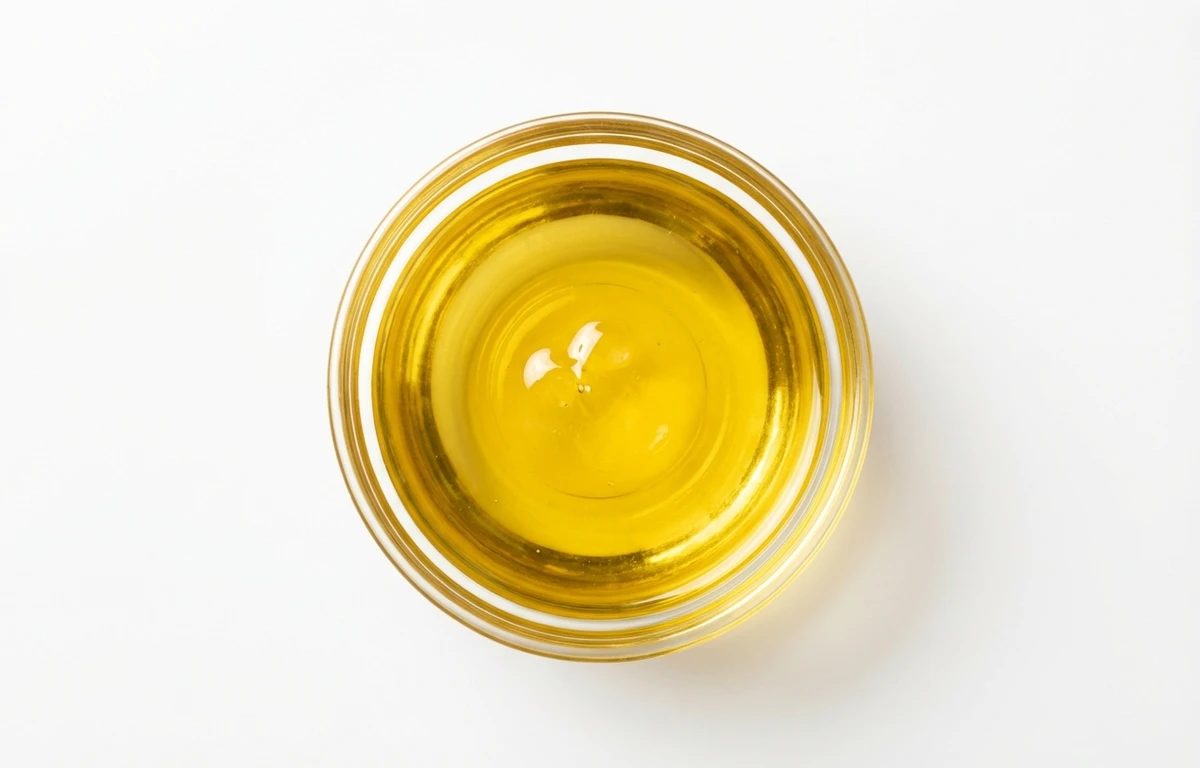
castor oil.
VegetarianVeganGluten-freeDairy-freeNut-freePeanut-freeSoy-freeEgg-freeShellfish-freeHoney-freeAlcohol-free
ALSO KNOWN AS
arandi ka telricinus oil
SERVING
CALORIES
884
PROTEIN
0g
CARBS
0g
FAT
100g
FIBER
0g
NUTRITION PROFILE · per 100 g
Everything in this ingredient.
MACRONUTRIENTS
Calories884kcal—
Protein0g0%
Carbohydrates0g0%
Fiber0g0%
Sugar0g0%
Total fat100g128%
Saturated fat14.2g71%
Trans fat0g—
Cholesterol0mg0%
Water0g—
MINERALS
Sodium0mg0%
Potassium0mg0%
Calcium0mg0%
Iron0mg0%
Magnesium0mg0%
Phosphorus0mg0%
Zinc0mg0%
Copper0mg0%
Manganese0mg0%
Selenium0µg0%
VITAMINS
Vitamin A0µg0%
Vitamin C0mg0%
Vitamin D0µg0%
Vitamin E0.50mg3%
Vitamin K0µg0%
Thiamin (B1)0mg0%
Riboflavin (B2)0mg0%
Niacin (B3)0mg0%
Pantothenic acid (B5)0mg0%
Vitamin B60mg0%
Folate (B9)0µg0%
Vitamin B120µg0%
%DV based on a 2,000 cal diet. Source: USDA FoodData Central. A dash in the %DV column means there’s no established Daily Value for that nutrient.
MEASUREMENT CONVERSIONS
How much is what.
1 cup230g
1 tablespoon14.4g
1 teaspoon4.8g
1 oz27.2g
1 lb453.6g
1 ml1g
1 liter960g
HEALTH BENEFITS
Why eat it.
- ✓Acts as a powerful natural laxative for occasional constipation
- ✓Contains ricinoleic acid which has anti-inflammatory properties
- ✓Helps in moisturizing skin and promoting hair health
- ✓Possesses antimicrobial properties that may help fight infections
- ✓Used in traditional medicine to induce labor under medical supervision
COOKING TIPS
In the kitchen.
- 1Do not use for frying or sautéing due to its strong laxative effect
- 2Commonly used in small amounts to coat and preserve dried pulses and lentils
- 3Primarily used as a medicinal supplement rather than a culinary ingredient
STORAGE
Keep it fresh.
- Store in a cool, dark place away from direct sunlight to prevent rancidity
- Keep the bottle tightly sealed to minimize exposure to oxygen
- Avoid refrigeration as it can cause the oil to become excessively thick
FAQ
Frequently asked questions.
Can I use castor oil for deep frying?
No, castor oil should never be used for frying or general cooking. It is a potent laxative and will cause severe digestive distress if consumed in culinary quantities.
Why is castor oil applied to lentils and pulses?
In many cultures, a tiny amount is used to coat dried grains and pulses (like Toor Dal) to prevent spoilage, deter weevils, and give the grains a shiny appearance.
How long does castor oil last?
When stored correctly in a cool, dark place, castor oil typically has a shelf life of 6 to 12 months.
Is castor oil safe to eat?
It is safe for ingestion only in very small, medicinal doses as a laxative. It is not intended for use as a food source or cooking medium.
Does castor oil contain the toxin ricin?
No. While the castor bean contains ricin, the toxin is water-soluble and is not present in the extracted oil. Cold-pressed and refined oils are safe from ricin.
What is a good substitute for castor oil in food preservation?
For coating grains, other food-grade oils like sesame oil or even food-grade mineral oil can be used, though they may not offer the same preservative duration.
How can I tell if castor oil has gone bad?
Rancid castor oil will have a strong, unpleasant, or sour odor and may become significantly darker or thicker than its original state.
Is castor oil vegan and vegetarian?
Yes, castor oil is 100% plant-based, derived from the seeds of the Ricinus communis plant.



















