vegetable
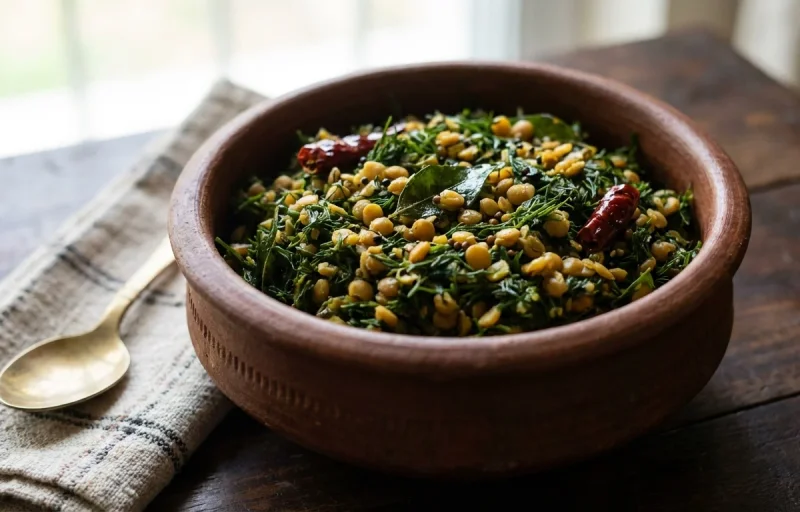
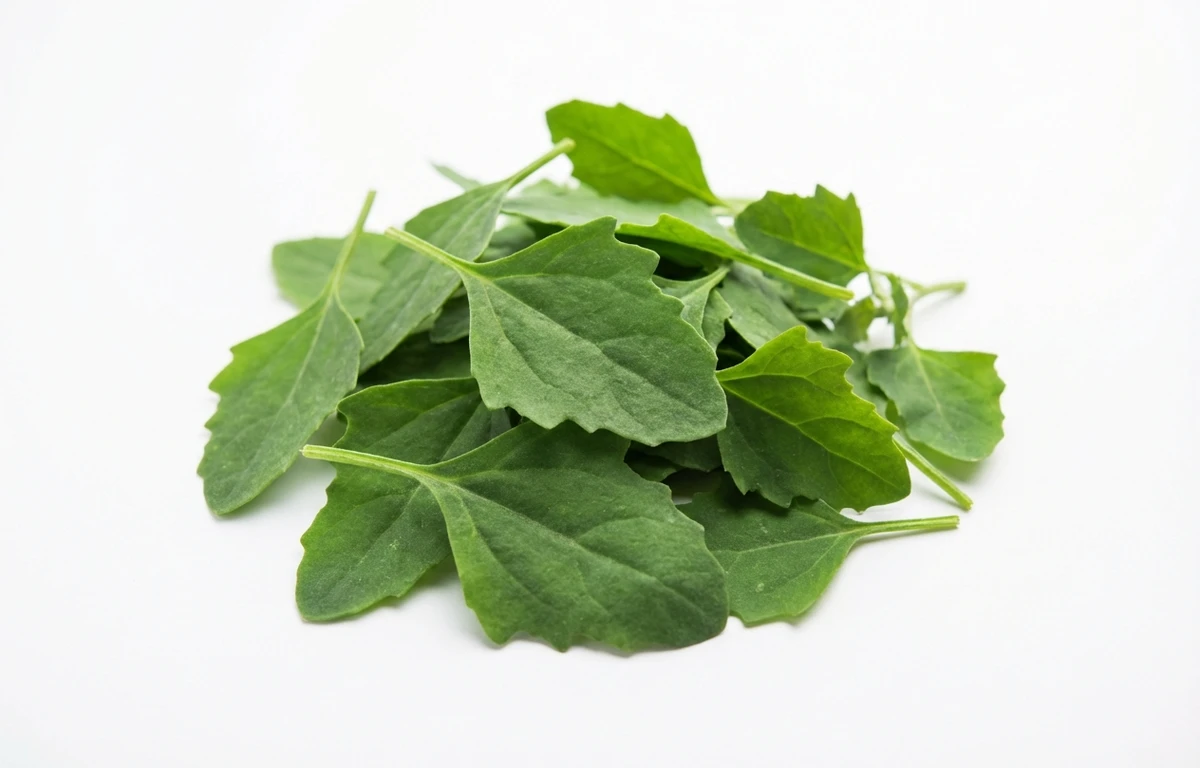
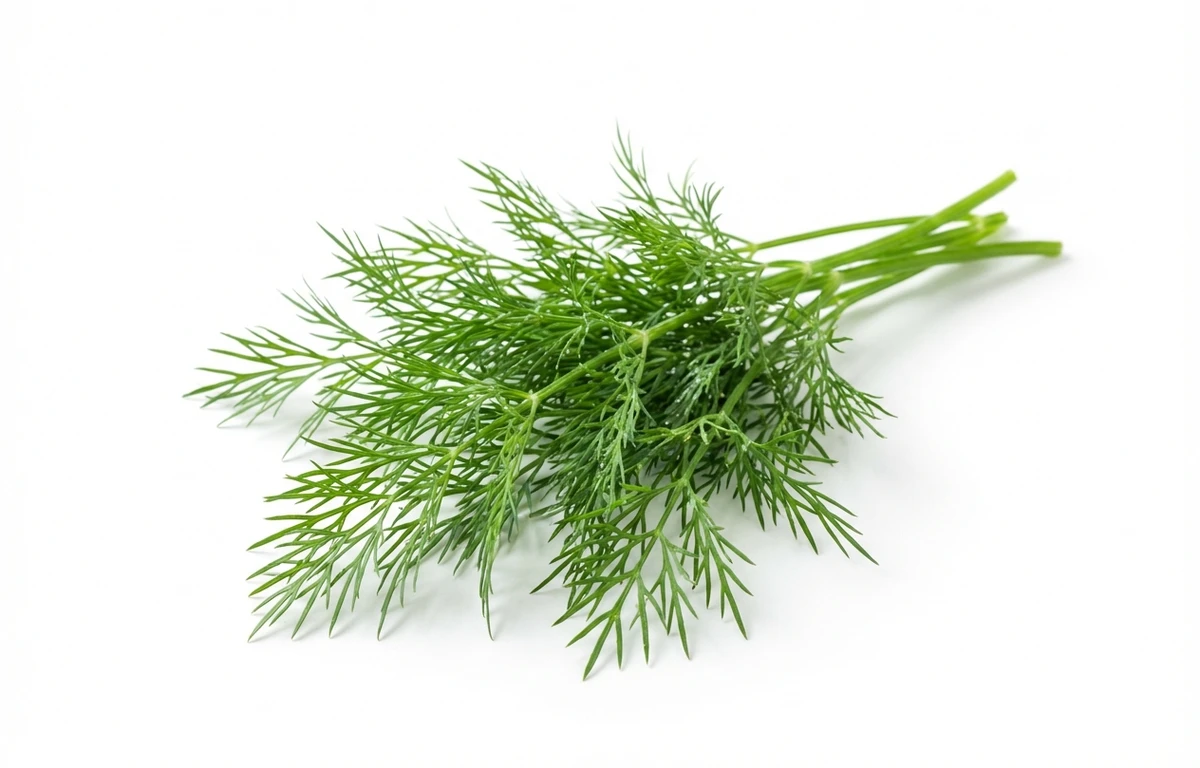
sabsige soppu.
VegetarianVeganGluten-freeDairy-freeNut-freePeanut-freeSoy-freeEgg-freeShellfish-freeHoney-freeAlcohol-freeHalalKosher
SERVING
CALORIES
43
PROTEIN
3.5g
CARBS
7.0g
FAT
1.1g
FIBER
2.1g
NUTRITION PROFILE · per 100 g
Everything in this ingredient.
MACRONUTRIENTS
Calories43kcal—
Protein3.5g7%
Carbohydrates7.0g3%
Fiber2.1g8%
Sugar0.10g0%
Total fat1.1g1%
Saturated fat0.10g1%
Trans fat0g—
Cholesterol0mg0%
Water86g—
MINERALS
Sodium61mg3%
Potassium738mg16%
Calcium208mg16%
Iron6.6mg37%
Magnesium55mg13%
Phosphorus66mg5%
Zinc0.90mg8%
Copper0.15mg17%
Manganese1.3mg57%
Selenium0µg0%
VITAMINS
Vitamin A386µg43%
Vitamin C85mg94%
Vitamin D0µg0%
Vitamin E0.20mg1%
Vitamin K62.8µg52%
Thiamin (B1)0.06mg5%
Riboflavin (B2)0.30mg23%
Niacin (B3)1.6mg10%
Pantothenic acid (B5)0.40mg8%
Vitamin B60.15mg9%
Folate (B9)150µg38%
Vitamin B120µg0%
%DV based on a 2,000 cal diet. Source: USDA FoodData Central. A dash in the %DV column means there’s no established Daily Value for that nutrient.
MEASUREMENT CONVERSIONS
How much is what.
1 cup25g
1 tablespoon1.5g
HEALTH BENEFITS
Why eat it.
- ✓Rich in antioxidants like flavonoids and terpenoids, which help combat oxidative stress.
- ✓Good source of Vitamin C, Vitamin A, and manganese, supporting immune function, vision, and bone health.
- ✓Traditionally used as a carminative to aid digestion, reduce flatulence, and soothe the stomach.
- ✓Contains compounds that may have antibacterial properties, potentially inhibiting harmful bacteria.
- ✓May help in managing blood sugar levels due to its bioactive components.
COOKING TIPS
In the kitchen.
- 1Add fresh sabsige soppu (dill leaves) towards the end of the cooking process to preserve its delicate, slightly tangy flavor and aroma.
- 2It pairs exceptionally well with lentils (dal), potatoes, yogurt-based dishes (raita), and fish, particularly salmon.
- 3In South Indian cuisine, it is commonly used in lentil stews (sambar), stir-fries (palya) with coconut, and mixed into dough for flatbreads like akki rotti.
- 4Finely chop and mix into salads, dressings, or dips for a fresh, herbaceous note.
STORAGE
Keep it fresh.
- Wrap unwashed leaves in a damp paper towel, place in a plastic bag, and store in the refrigerator's crisper drawer for up to 5-7 days.
- For longer storage, chop the leaves and freeze them in ice cube trays with a small amount of water or oil for several months.
- To dry, hang bunches upside down in a warm, well-ventilated area away from direct sunlight until brittle.
FAQ
Frequently asked questions.
Is sabsige soppu healthy?
Yes, sabsige soppu (dill leaves) is very healthy. It is rich in antioxidants like flavonoids and terpenoids that combat oxidative stress, and it provides essential nutrients like Vitamin C, Vitamin A, and manganese for immune and bone health.
What are the nutritional benefits of sabsige soppu?
Per 100g, sabsige soppu contains approximately 43 calories, 3.5g of protein, and 7g of carbohydrates. It is a low-fat vegetable (1.1g) that is particularly high in Vitamin A for vision and Vitamin C for immunity.
Is sabsige soppu good for weight loss?
Yes, it is an excellent addition to a weight loss diet because it is low in calories and fat while being nutrient-dense. Its high fiber content can also help you feel full for longer periods.
Is sabsige soppu keto-friendly?
Yes, sabsige soppu is keto-friendly. With only 7g of total carbohydrates per 100g, it can easily fit into a low-carb or ketogenic lifestyle when used in salads, dals, or stir-frys.
Can sabsige soppu help with digestion?
Traditionally, sabsige soppu is used as a carminative to aid digestion and reduce flatulence. It contains compounds that soothe the stomach and may also offer antibacterial properties to inhibit harmful gut bacteria.
How do you cook sabsige soppu?
It is commonly used in South Indian cuisine to make 'Sabsige Soppu Palya' (stir-fry) or added to dals and 'Akki Rotti' batter. Because of its delicate leaves, it is best added toward the end of cooking to preserve its flavor and nutrients.
What does sabsige soppu taste like?
Sabsige soppu has a very distinct, pungent, and aromatic flavor profile with subtle notes of anise or licorice. It is highly fragrant and can dominate the flavor of a dish if used in large quantities.
How do you store sabsige soppu to keep it fresh?
Store unwashed sabsige soppu by wrapping it in a dry paper towel and placing it in a perforated plastic bag in the refrigerator. It is best consumed within 3 to 5 days as the leaves wilt quickly.
Can I eat sabsige soppu raw?
Yes, sabsige soppu can be eaten raw in salads or used as a fresh garnish for soups and yogurt-based dips. Eating it raw ensures you receive the maximum amount of heat-sensitive Vitamin C.
Is sabsige soppu safe for diabetics?
Yes, sabsige soppu is beneficial for diabetics as it is low in calories and contains bioactive components that may help in managing blood sugar levels. It is a healthy, low-glycemic addition to any meal.
RECIPES
Cook with sabsige soppu.
0 recipes · sorted by what’s quick