Rajma
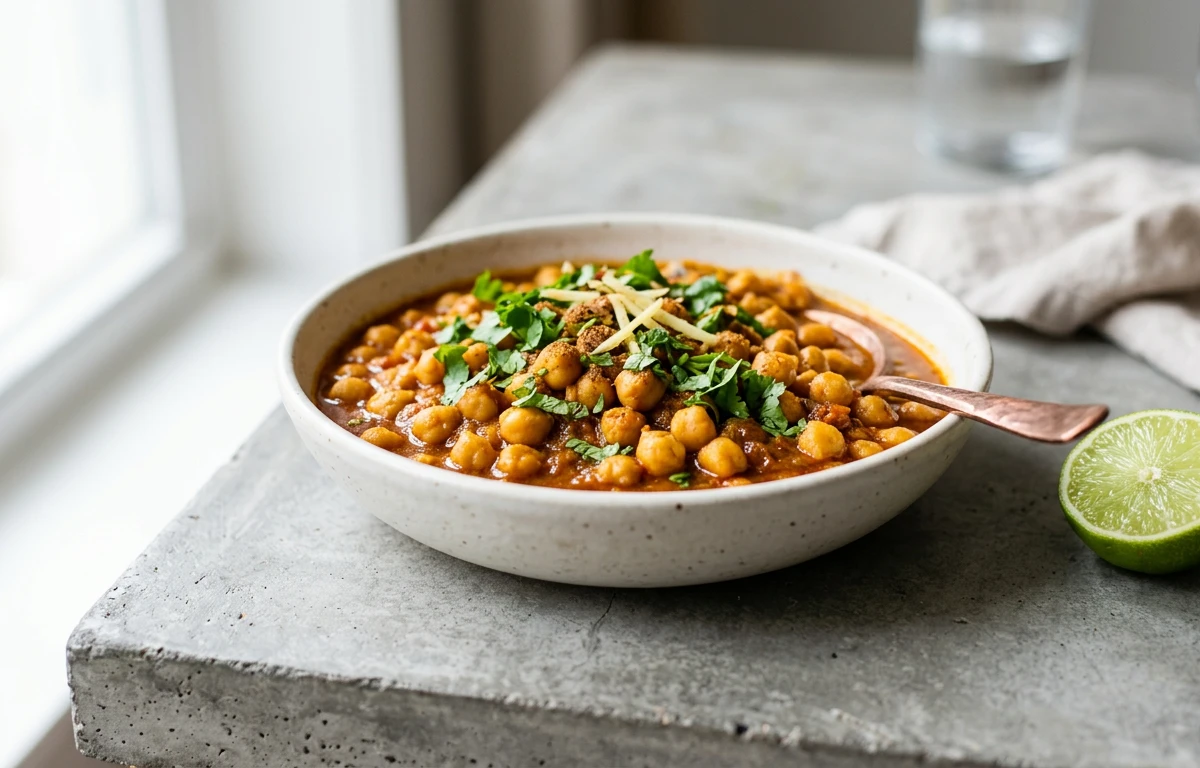
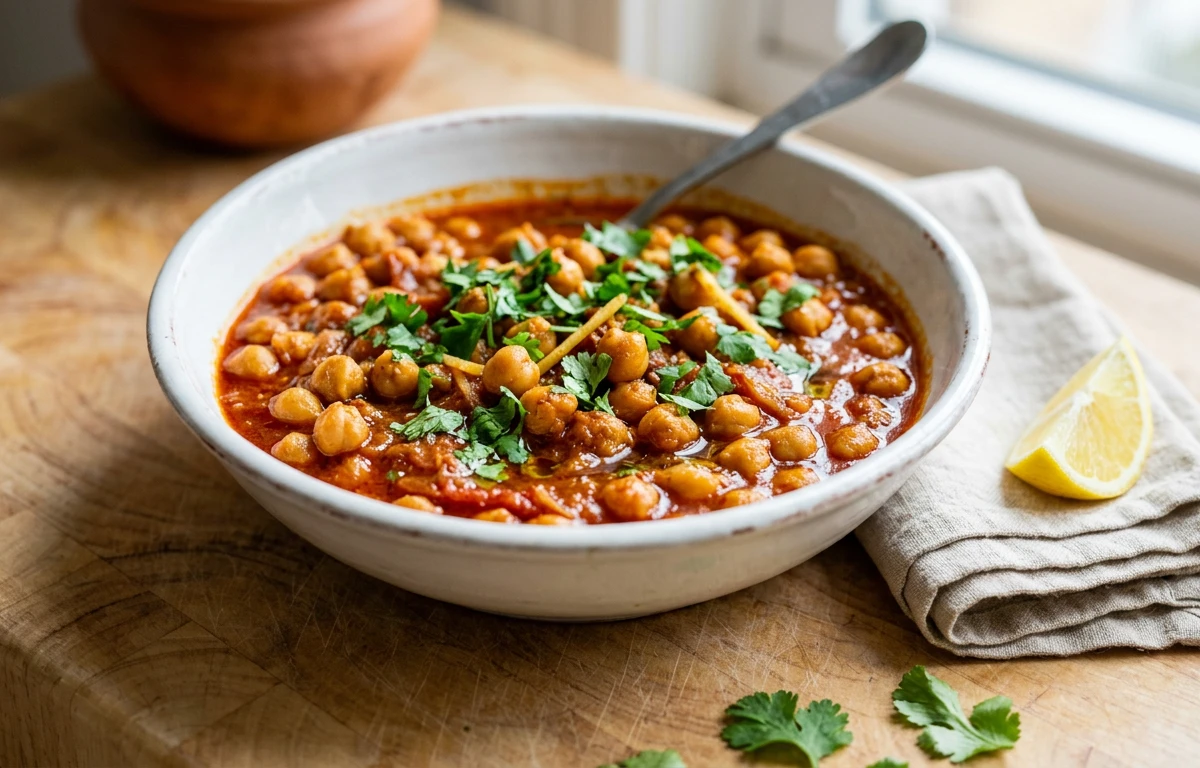
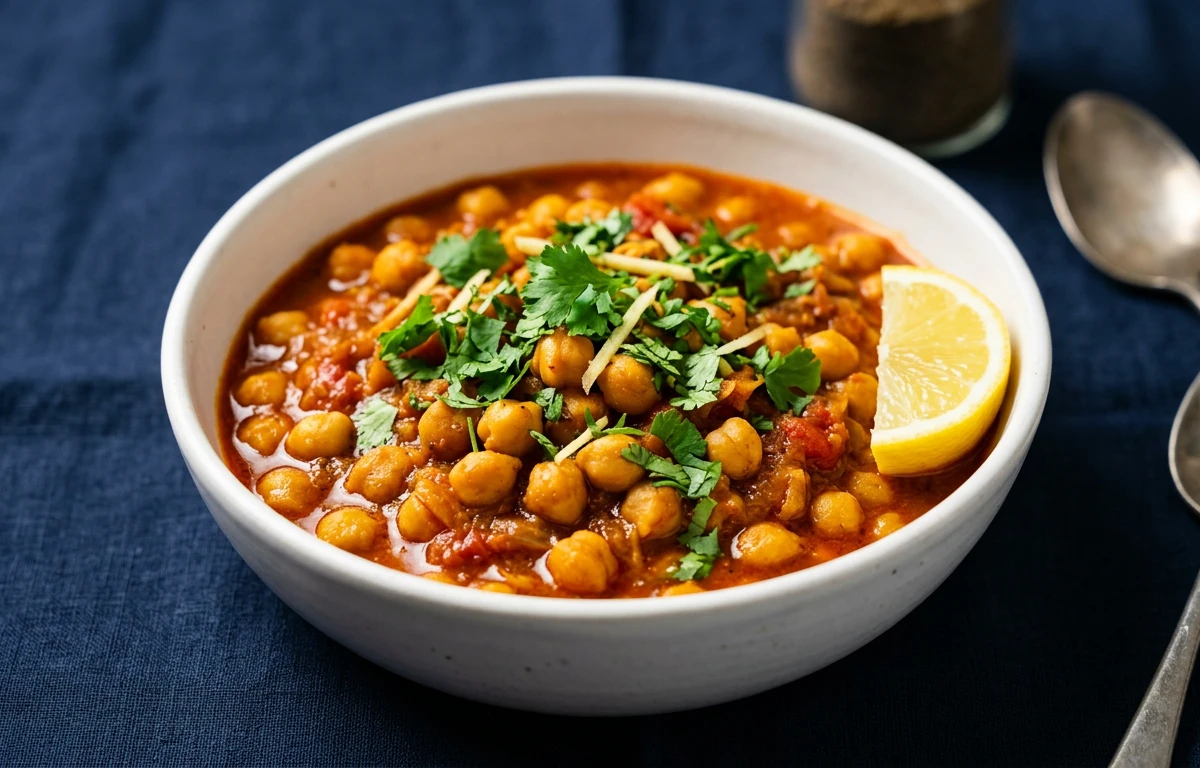
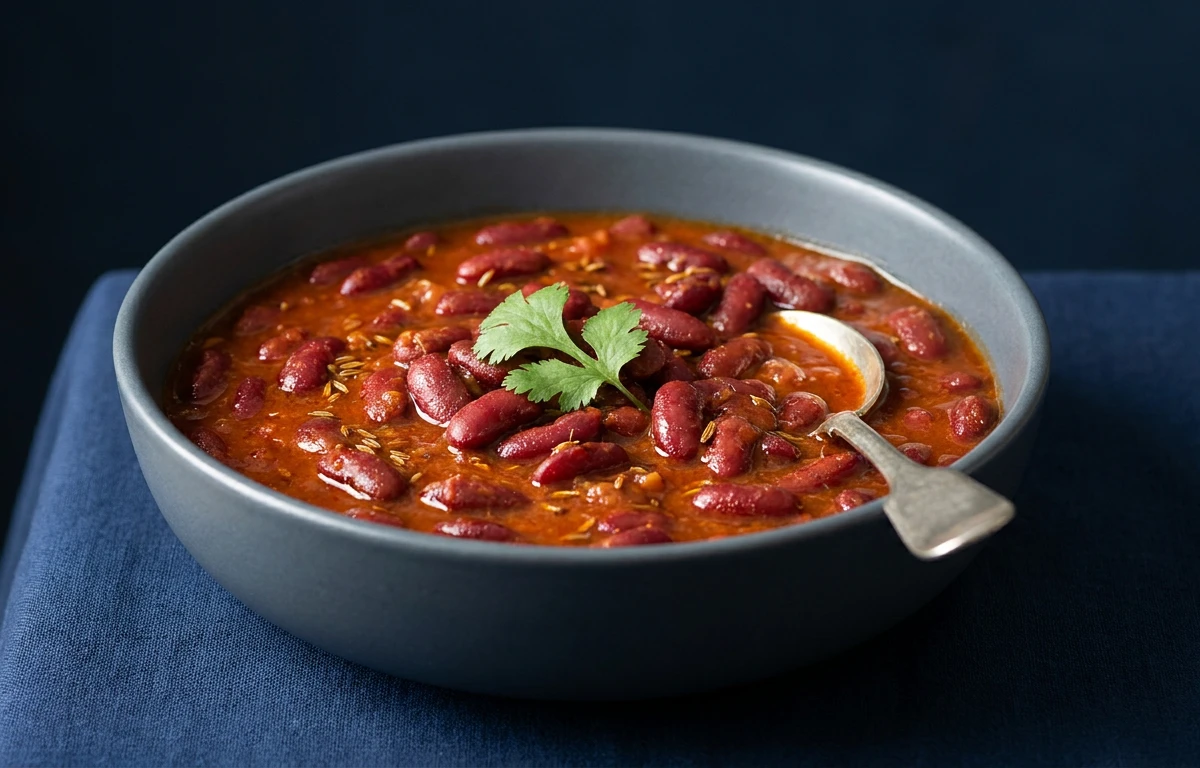
Hearty, comforting red kidney beans simmered in a spiced onion-tomato gravy. This quintessential North Indian curry is a staple in Punjabi households, best enjoyed with steamed rice for a satisfying, protein-packed meal.
For 4 servings
- prep
Soak the rajma.
Wash the dried rajma thoroughly and soak in ample water overnight, or for at least 8 hours.
- pressure cook · ~20 min
Pressure cook the soaked rajma.
Drain the soaked rajma. Transfer to a pressure cooker with 4 cups of fresh water and salt. Cook on medium-high heat for 5-6 whistles, then lower the heat and cook for another 10 minutes. Allow the pressure to release naturally.
- temper · ~9 min
Make the tempering.
1.Heat oil in a deep pan or kadhai over medium heat.2.Add cumin seeds and let them splutter (30 sec).3.Add bay leaf and sauté for a few seconds until fragrant.4.Add finely chopped onions and cook until deeply golden brown (7-8 min).TIPPatience with the onions is key. Well-browned onions give the characteristic deep color and sweetness to the gravy. - saute · ~9 min
Build the masala base.
1.Add ginger-garlic paste and cook until the raw smell disappears (1-2 min).2.Add slit green chilies, turmeric powder, red chili powder, coriander powder, and cumin powder. Sauté for 30 seconds, stirring constantly.3.Pour in the fresh tomato puree. Mix well and cook until the oil starts to separate from the masala (5-7 min).TIPCooking the masala until the oil separates is crucial; it means the spices are fully cooked and won't taste raw. - simmer · ~20 min
Simmer the rajma in the gravy.
Add the boiled rajma along with the cooking liquid to the masala base. Mash a few beans against the side of the pan to thicken the gravy. Stir well, check the consistency, and simmer on low heat for 15-20 minutes, stirring occasionally.
TIPMashing some of the beans helps create a thick, luscious gravy without adding cream or flour. - garnish
Finish with garam masala and amchur.
Sprinkle garam masala and dried mango powder over the curry. Stir gently and turn off the heat. Garnish with fresh coriander leaves.
TIPAdding garam masala at the very end preserves its aroma and gives the final dish a fresh, fragrant kick. - rest · ~10 min
Rest the rajma before serving.
Let the Rajma sit covered for 10 minutes before serving. This resting time allows the flavors to meld together beautifully. Serve hot with steamed rice.
TIPRajma almost always tastes better the next day, as the flavors deepen overnight.
What to keep in mind.
6 tips from the recipe — small details that make a real difference to the final dish.
- 1To deepen the gravy's color, cook the onions until they turn a deep golden brown before adding ginger-garlic paste.
- 2Resist the urge to skip mashing a few beans in step 5 — it naturally thickens the curry without any cream or flour.
- 3Always let the pressure release naturally after cooking rajma; quick release can cause the beans to burst.
- 4For a richer flavor, replace half the oil with ghee and use it in the tempering step.
- 5Rajma tastes even better the next day, so feel free to make it a day ahead and reheat gently.
- 6Adjust the gravy consistency by adding hot water while simmering if it gets too thick before the beans are fully tender.
Adapt it for your goals.
Low-oil
Reduce oil to 1 tablespoon and dry-roast the cumin seeds before adding a splash of water to sauté the onions. Perfect for those watching their fat intake while still enjoying full flavor.
high proteinHigh-protein
Add 1 cup of boiled soya chunks or paneer cubes along with the cooked rajma for an extra protein boost. Great for athletes or post-workout meals.
jainJain
Omit onion and garlic; instead, add a pinch of asafoetida (hing) in hot oil before cumin seeds, and use a generous amount of tomato puree and ginger. This keeps the dish Jain-compliant without losing depth.
veganVegan
The recipe is already vegan as written — just ensure you use a plant-based oil and skip any optional ghee. No changes needed for plant-based eaters.
Why this is on our healthy list.
High in Plant Protein
Red kidney beans are an excellent source of plant-based protein, making this dish a satisfying and meat-free protein-rich meal ideal for vegetarians.
Rich in Dietary Fiber
Rajma provides a generous amount of dietary fiber, which supports healthy digestion and helps maintain steady blood sugar levels.
Loaded with Antioxidants
Tomatoes, turmeric, and red chili powder are packed with antioxidants like lycopene and curcumin, which help reduce inflammation in the body.
Good Source of Iron
Kidney beans are naturally rich in iron, an essential mineral for oxygen transport in the blood. Pairing with vitamin C from tomatoes enhances absorption.
Heart-Healthy Spices
Spices like cumin, coriander, and garam masala are known for their anti-inflammatory properties and help promote cardiovascular health.
Frequently asked questions
Yes. Use two 15-ounce cans, rinsed and drained. Skip the pressure cooking step and add the beans directly to the masala with 1 cup water. Simmer for 15 minutes to let the flavors infuse.



.webp)