That satisfying crunch when you bite into a raw slice of bell pepper? That's the sound of one of the most versatile, and frankly underrated, vegetables in the produce aisle. We tend to toss them into salads or stir-fries without a second thought, but they're more than just a colorful filler. They're incredibly low in calories, almost carb-free, and pack a shocking amount of vitamin C — far more than an orange.
↑ More than just color — bell peppers are a nutritional standout.
The everyday crunch
Bell peppers are mostly water — around 92% — which is why they're so crisp and refreshing. The rest is a little bit of carbohydrate and fiber, and a surprisingly potent hit of vitamins, especially vitamin C. Different colors aren't just for show; they signal different stages of ripeness and slightly different nutrient profiles. Green peppers are harvested early, while red ones have been left on the vine the longest, making them sweeter and often more nutrient-dense.
They get a reputation for being a simple salad vegetable, but that sells them short. They're a fantastic low-calorie vehicle for dips, a foundational ingredient in countless cuisines, and one of the easiest ways to add bulk, fiber, and nutrients to any meal without adding many calories or carbs.
IN ONE LINE
A bell pepper is a low-calorie, low-carb, hydrating vegetable that delivers a massive dose of vitamin C. Eat them raw or cooked, in any color you like.
Bell pepper nutrition facts
Here's the nutritional breakdown for 100 grams of raw bell pepper, which is about one medium-sized pepper.
The number that jumps off the page is the vitamin C. At 127 mg, a single pepper provides well over your entire recommended daily intake. It's one of the most concentrated sources you can find. The calories and carbs are almost negligible, which makes peppers a true 'free food' in many eating plans.
Bell pepper's glycemic index
The glycemic index (GI) measures how quickly a food raises blood sugar. Because bell peppers are non-starchy, low in carbohydrates, and high in fiber, they have a very low GI. There's no official number for them because the effect is so minimal it's difficult to measure, but it's safe to treat them as a food that will have virtually no impact on your blood sugar levels. This makes them an excellent choice for anyone managing diabetes or looking for stable energy.
GLYCEMIC INDEX · BELL PEPPER vs COMMON FOODS
Bell peppers have a negligible GI
Bell Pepper
non-starchy veg
LOW
Cherries
whole fruit
LOW
Apple
whole fruit
LOW
White bread
refined
HIGH
Cornflakes
refined
HIGH
SCALE 0–90
04590
The best ways to eat them
You can't really go wrong with a bell pepper. But to get the most out of them, keep a few things in mind.
01
Eat them raw.
This preserves the maximum amount of heat-sensitive vitamin C and delivers the best crunch. Sliced into sticks for dipping is perfect.
02
Roast them.
Roasting brings out their natural sweetness, especially in red, yellow, and orange varieties. A little char is delicious.
03
Don't overcook.
When stir-frying or sautéing, add them near the end. You want them to be tender-crisp, not limp and mushy.
04
Choose any color.
Red peppers are the sweetest and have the most vitamin A, while green ones have a pleasant bitterness. All are excellent choices.
05
Use them as a vessel.
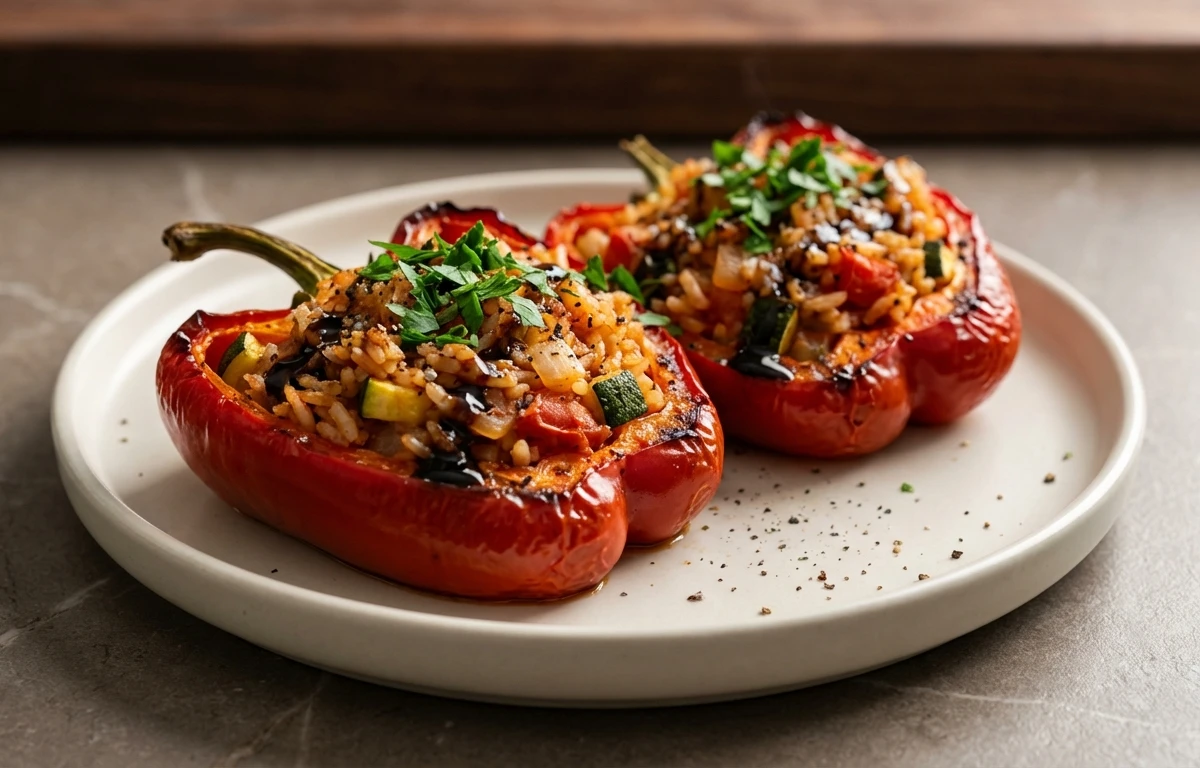
Halved and de-seeded, they make a perfect, edible, low-carb bowl for fillings like ground meat, quinoa, or cheese.
What bell peppers are good for
01
A massive vitamin C boost
With over 140% of your daily vitamin C needs, bell peppers are incredible for immune support, skin health, and iron absorption.
141%
vit C DV
02
Weight management
At only 26 calories but high in water and fiber, they help you feel full and satisfied with almost no caloric cost.
~26
calories
03
Blood sugar control
As a non-starchy, very low-GI vegetable, they can be eaten freely without worrying about blood sugar spikes.
Low GI
non-starchy
04
Hydration and crunch
Made of over 90% water, they contribute to your daily hydration. The satisfying crunch can also curb cravings for less healthy snack foods.
92%
water
What to pair peppers with
Bell peppers are a team player. Their mild flavor, whether sweet or slightly bitter, pairs well with almost anything. Here are a few classic combinations.
Who should eat them?
Three simple ideas
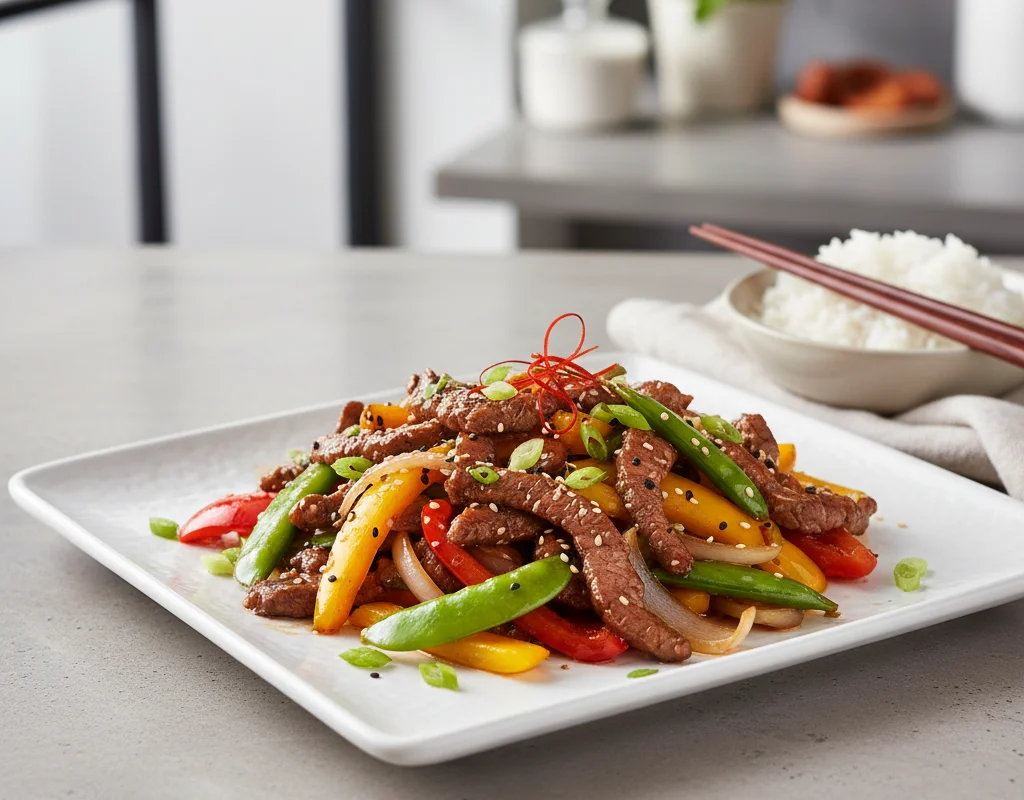
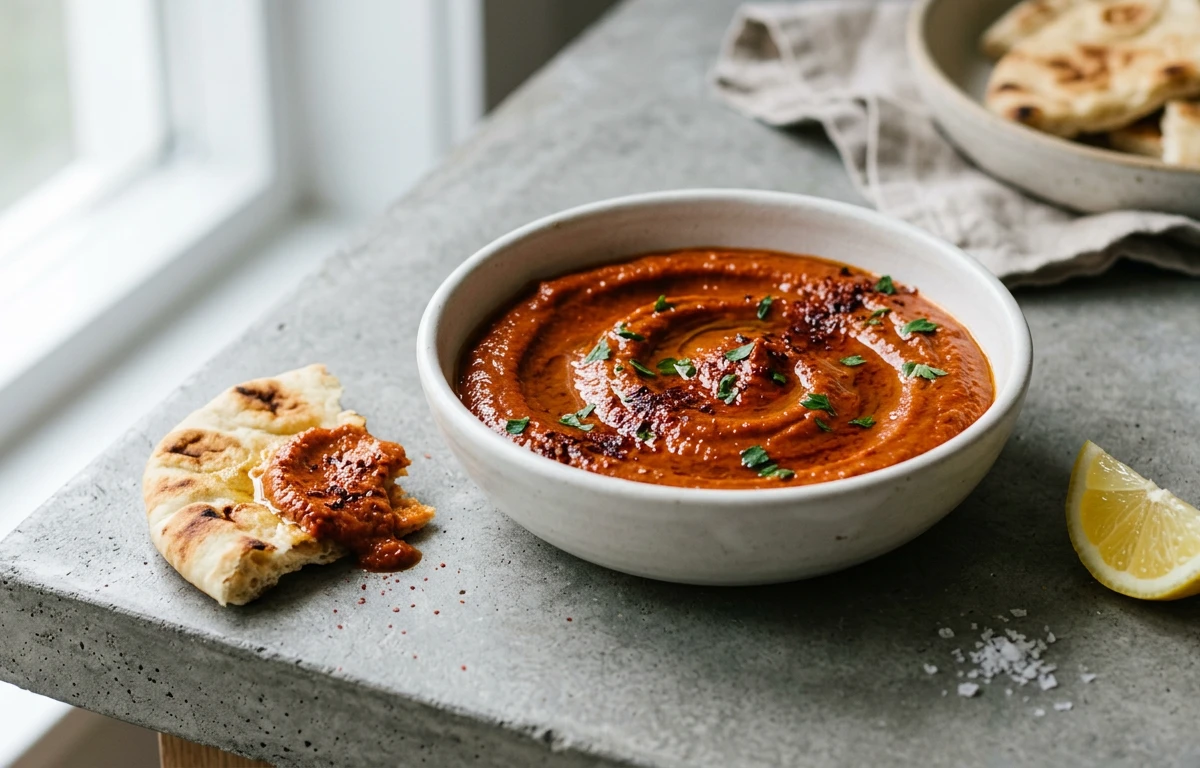
Beyond just slicing them up, here are three dead-simple ways to make bell peppers a star.
Want more easy, low-carb vegetables in your life?
Our meal planner makes it simple to build balanced meals around nutrient-dense, low-calorie foods like bell peppers. Get custom plans, smart grocery lists, and take the guesswork out of healthy eating.
Build my weekly plan →SOURCES & REFERENCES · 3
One more thing
Eating well is rarely about willpower. It’s about having a short list of dinners you actually want to eat. Pick two from this list. Make them next week. The rest will follow.
If you want these on autopilot, our weekly meal planner can drop the picks above into your calendar with one click and build a single grocery list from the merged ingredients.
FREQUENTLY ASKED QUESTIONS
Frequently asked questions
Which color bell pepper is the healthiest?
All colors are healthy, but red bell peppers generally come out on top. They've been on the vine the longest, so they have the highest concentration of vitamin C and beta-carotene (which your body converts to vitamin A). Green peppers are picked earliest and have a slightly more bitter taste.
Are bell peppers good for weight loss?
Yes, they're fantastic for weight loss. A whole medium pepper has only about 26 calories. Their high water and fiber content helps you feel full, and their satisfying crunch can replace cravings for higher-calorie snacks like chips.
Is it better to eat bell peppers raw or cooked?
For maximum vitamin C, raw is best, as the vitamin is sensitive to heat. However, cooking peppers (especially with a little fat like olive oil) can make other nutrients, like carotenoids, more available for your body to absorb. A mix of both is ideal!
Are bell peppers a fruit or a vegetable?
Botanically speaking, because they contain seeds, bell peppers are fruits. In the kitchen and for nutritional purposes, however, we treat them as vegetables due to their savory flavor profile and how we use them in meals.
METHODOLOGY
How this article was created
Built using verified nutrition databases, culinary research, and traditional cooking knowledge — every claim is cross-referenced against the sources listed in the article.
· USDA data· Culinary research· Quality reviewed
Read our methodology →TRANSPARENCY
About this content
Articles are curated using trusted food databases (USDA FoodData Central, IFCT), culinary literature, and dietary guidelines, then structured by our editorial team for clarity, accuracy, and usefulness.
· Verified data sources· Culinary research· Quality reviewed
Read our editorial policy →RELATED RECIPES
Cook from this article
EXPLORE OUR MEALS
Meals that fit this article

AMERICAN · 1677 CAL
Almonds with Sliced Apple + supplement + iron

MEDITERRANEAN · 809 CAL
Greek Yogurt with Berries Almonds and Granola + supplement + iron

GENERAL_HEALTHY · 705 CAL
Banana with Peanut Butter Pregnancy + supplement + iron

MODERN · 982 CAL
Hummus with Crudits and Pita with Fresh Orange Snack + supplement + iron
TAGGED
KEEP READING