Everyone has a block of cheddar in the fridge, but nobody's quite sure if it's a healthy staple or a guilty pleasure. It's high in fat and salt, yes. But it's also a protein and calcium powerhouse with almost zero carbs, meaning it has virtually no effect on blood sugar. The truth is, cheddar isn't good or bad — it's a concentrated food that's fantastic in the right portion.
↑ Sharp cheddar is a concentrated food — a little goes a long way.
The Fridge-Door Staple
That crumbly, tangy, satisfying bite of sharp cheddar is one of life's simple pleasures. It's the cheese that ends up in everything from mac and cheese to a quick sandwich. But because it's so familiar, we often don't think about what it actually is: a concentrated block of milk solids, primarily fat and protein.
This isn't a bad thing. It just means we need to think of cheddar less as a main ingredient and more as a powerful finishing touch. A little bit grated over vegetables or chili adds a huge amount of flavor, protein, and satisfaction for a relatively small amount of calories.
IN ONE LINE
Sharp cheddar is a protein and calcium powerhouse with almost no carbs. The trade-off is high saturated fat and sodium, making portion size the key to enjoying it healthily.
Sharp Cheddar Nutrition Facts
Here's what a 100-gram (3.5-ounce) portion provides. This is a large amount, useful for comparison, but remember that a more typical snack-sized serving is one ounce (28g).
The numbers tell the story: this is a fat-and-protein food. The carbs are functionally zero. That 33 grams of fat is what gives cheddar its satisfying flavor, but it's also where the calories are packed in. The two numbers to watch are the saturated fat and sodium, which are both very high in a 100g serving. On the flip side, it's an incredible source of high-quality protein and bone-building calcium.
Cheddar Cheese's Glycemic Index
This is a short conversation. The Glycemic Index (GI) measures how quickly a carbohydrate-containing food raises your blood sugar. Since sharp cheddar has barely any carbohydrates (just over 1 gram per 100g), it has no meaningful impact on blood sugar levels. Its GI is considered to be zero, or very close to it.
For anyone managing blood sugar, including people with type 2 diabetes or insulin resistance, this makes cheese an excellent food. It provides energy and satiety from fat and protein without the glycemic rollercoaster of carbs.
GLYCEMIC INDEX · CHEDDAR vs COMMON FOODS
Cheddar has a negligible GI
Cheddar Cheese
negligible carbs
LOW
Apple
whole fruit
LOW
Pineapple
whole fruit
MEDIUM
White bread
refined
HIGH
Cornflakes
refined
HIGH
SCALE 0–90
04590
The Smart Way to Use It
Cheddar is a friend with benefits, but you have to respect its intensity. Here's how to keep it on the healthy side of the ledger.
01
Grate, don't slice.
You get far more flavor coverage for fewer calories by grating cheese over a dish than by laying on a thick slice. A little goes a long way.
02
Know your portion.
A 1-ounce (28g) serving is a good benchmark. It's about the size of four dice. That's a satisfying snack with about 115 calories.
03
Pair with fiber.
The classic apple and cheese combo isn't just delicious; the apple's fiber and water balances the cheese's dense fat and protein.
04
Choose sharp over mild.
Sharper, more aged cheddars have a more intense flavor, so you can use less to get the same satisfying taste.
05
Melt it on something healthy.
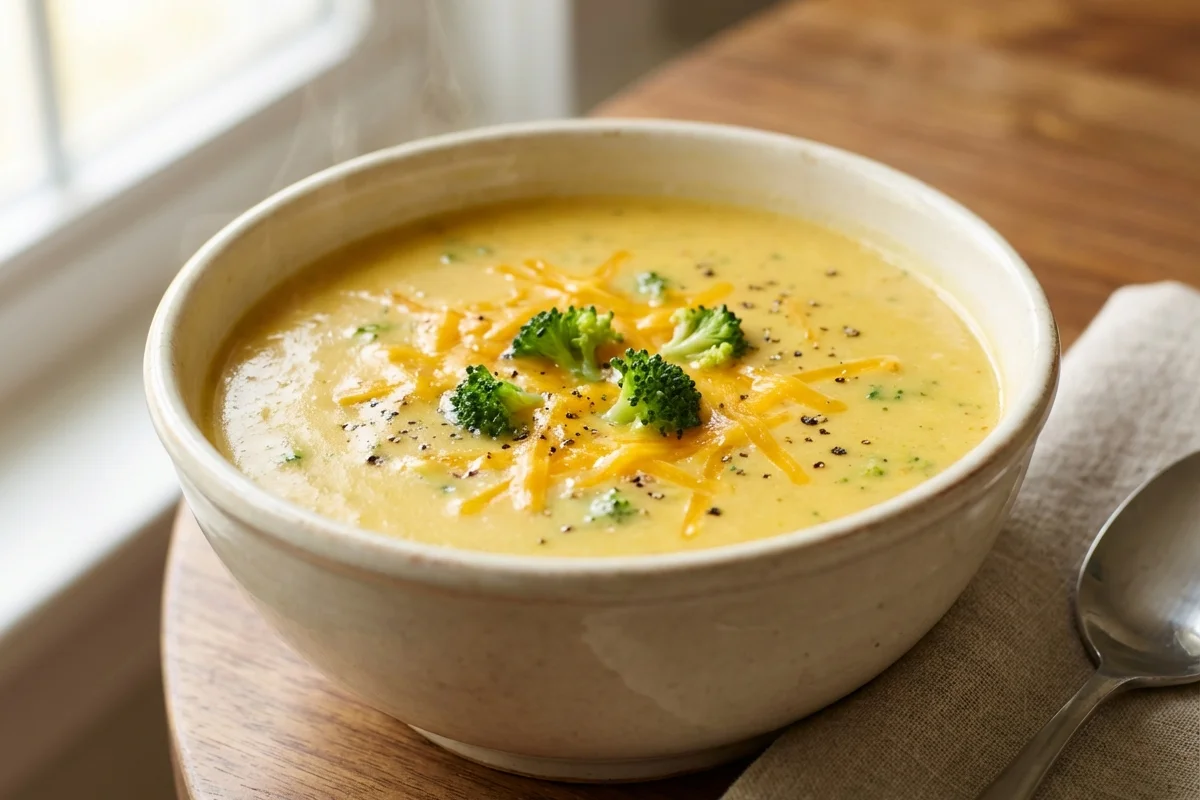
A sprinkle of melted cheddar can make a bowl of steamed broccoli or a baked sweet potato feel like a decadent treat.
What Cheddar is Good For
01
Serious Protein Punch
With nearly 25 grams of protein per 100g, cheddar is a fantastic source for muscle repair, satiety, and building a strong metabolism.
25g
protein / 100g
02
Packed with Calcium
One of the best dietary sources of calcium, essential for strong bones, teeth, and proper nerve and muscle function.
55%
DV Calcium
03
Blood Sugar Stability
With virtually no carbs, cheddar provides long-lasting energy from fat and protein without causing spikes and crashes in blood glucose.
GI ≈ 0
negligible
04
Incredibly Satiating
The combination of high fat and high protein is extremely filling, which can help prevent overeating later on.
403
calories / 100g
What to Pair Cheddar With
Cheddar's richness loves a partner with acidity, sweetness, or fiber to cut through the fat and create a balanced bite.
Eat Freely — or Be Mindful?
Three Ways to Use It
Three simple ways to get the most out of sharp cheddar without overdoing it.

Want powerful foods like cheddar worked into a balanced week?
Our meal planner uses nutrient-dense foods in the right portions to build a satisfying, healthy week. Get macros, a smart grocery list, and zero guesswork.
Build my weekly plan →SOURCES & REFERENCES · 3
One more thing
Eating well is rarely about willpower. It’s about having a short list of dinners you actually want to eat. Pick two from this list. Make them next week. The rest will follow.
If you want these on autopilot, our weekly meal planner can drop the picks above into your calendar with one click and build a single grocery list from the merged ingredients.
FREQUENTLY ASKED QUESTIONS
Frequently Asked Questions
Is sharp cheddar cheese healthy?
It's a trade-off. It's an excellent source of protein and calcium, but also high in calories, saturated fat, and sodium. Its healthiness depends entirely on your portion size and overall diet. A small amount can be very healthy; a large amount, less so.
Can you eat cheddar cheese if you have diabetes?
Yes, absolutely. With almost no carbohydrates, cheddar cheese has a negligible effect on blood sugar levels, making it a great food choice for people managing diabetes.
Is sharp cheddar cheese good for weight loss?
It can be. The high protein and fat content make it very satiating, which can help prevent overeating. However, it's also very calorie-dense, so portion control is crucial. A 1-ounce serving can fit easily into a weight-loss plan.
Is aged cheddar low in lactose?
Yes. The aging process breaks down most of the lactose in cheese. Aged, hard cheeses like sharp cheddar contain very little lactose and are often well-tolerated by people with lactose intolerance.
METHODOLOGY
How this article was created
Built using verified nutrition databases, culinary research, and traditional cooking knowledge — every claim is cross-referenced against the sources listed in the article.
· USDA data· Culinary research· Quality reviewed
Read our methodology →TRANSPARENCY
About this content
Articles are curated using trusted food databases (USDA FoodData Central, IFCT), culinary literature, and dietary guidelines, then structured by our editorial team for clarity, accuracy, and usefulness.
· Verified data sources· Culinary research· Quality reviewed
Read our editorial policy →RELATED RECIPES
Cook from this article
EXPLORE OUR MEALS
Meals that fit this article

AMERICAN · 1677 CAL
Almonds with Sliced Apple + supplement + iron

MEDITERRANEAN · 809 CAL
Greek Yogurt with Berries Almonds and Granola + supplement + iron

GENERAL_HEALTHY · 705 CAL
Banana with Peanut Butter Pregnancy + supplement + iron

MODERN · 982 CAL
Hummus with Crudits and Pita with Fresh Orange Snack + supplement + iron
TAGGED
KEEP READING