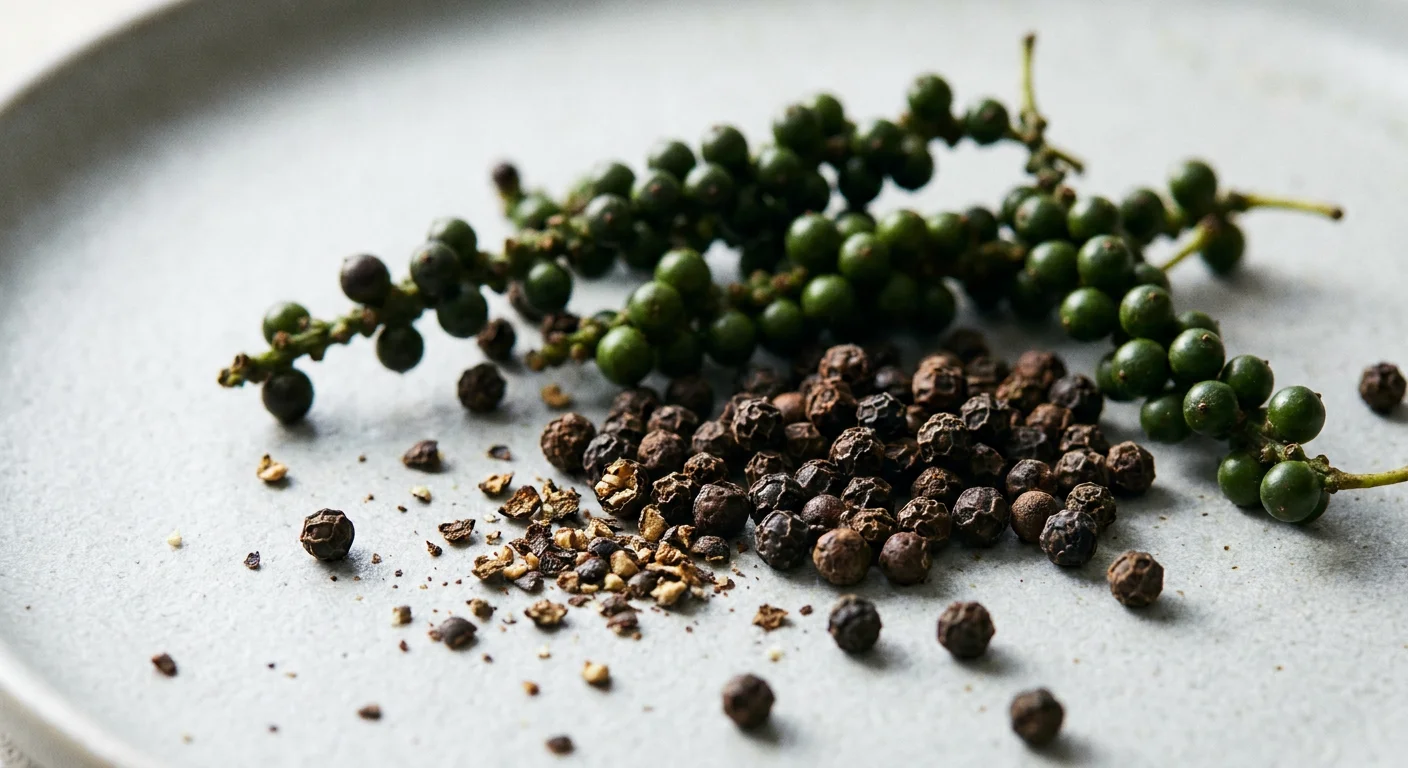
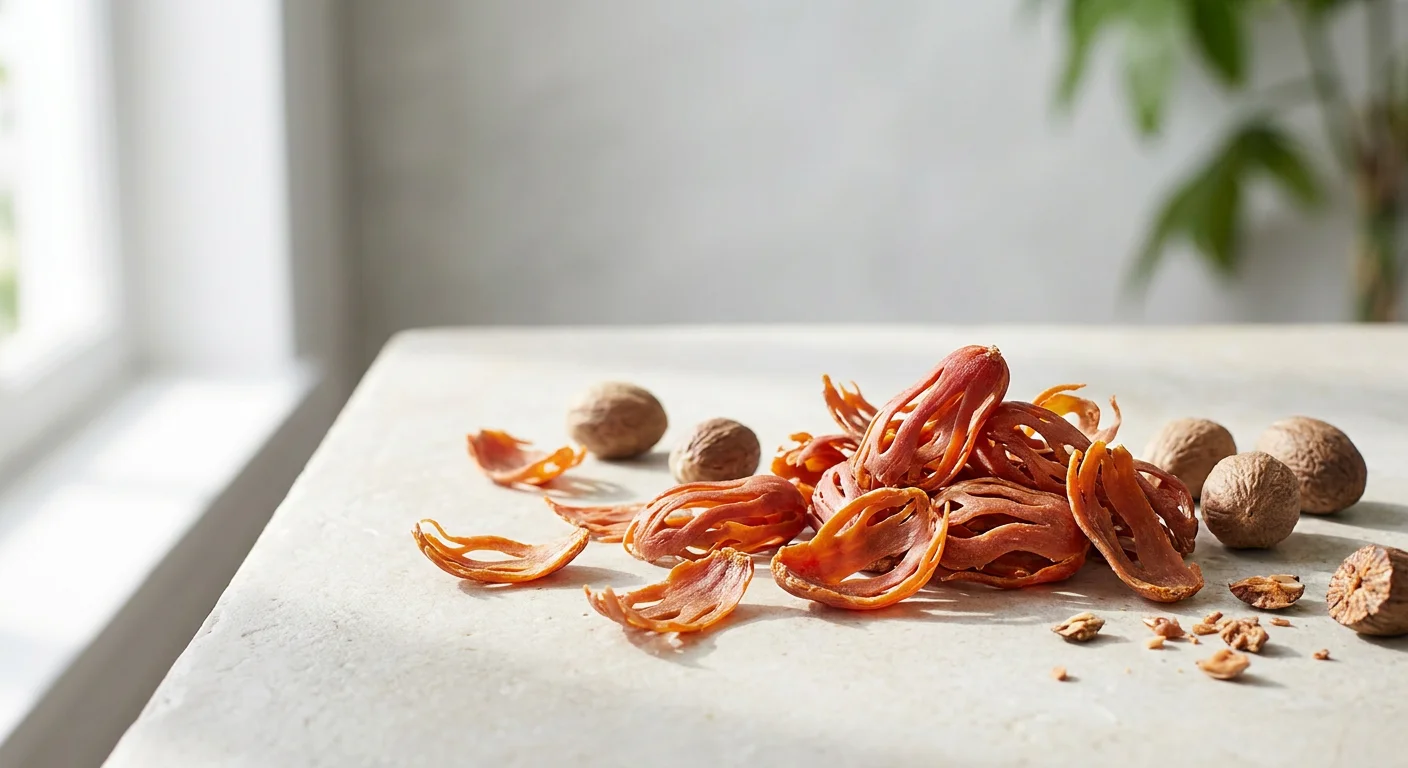
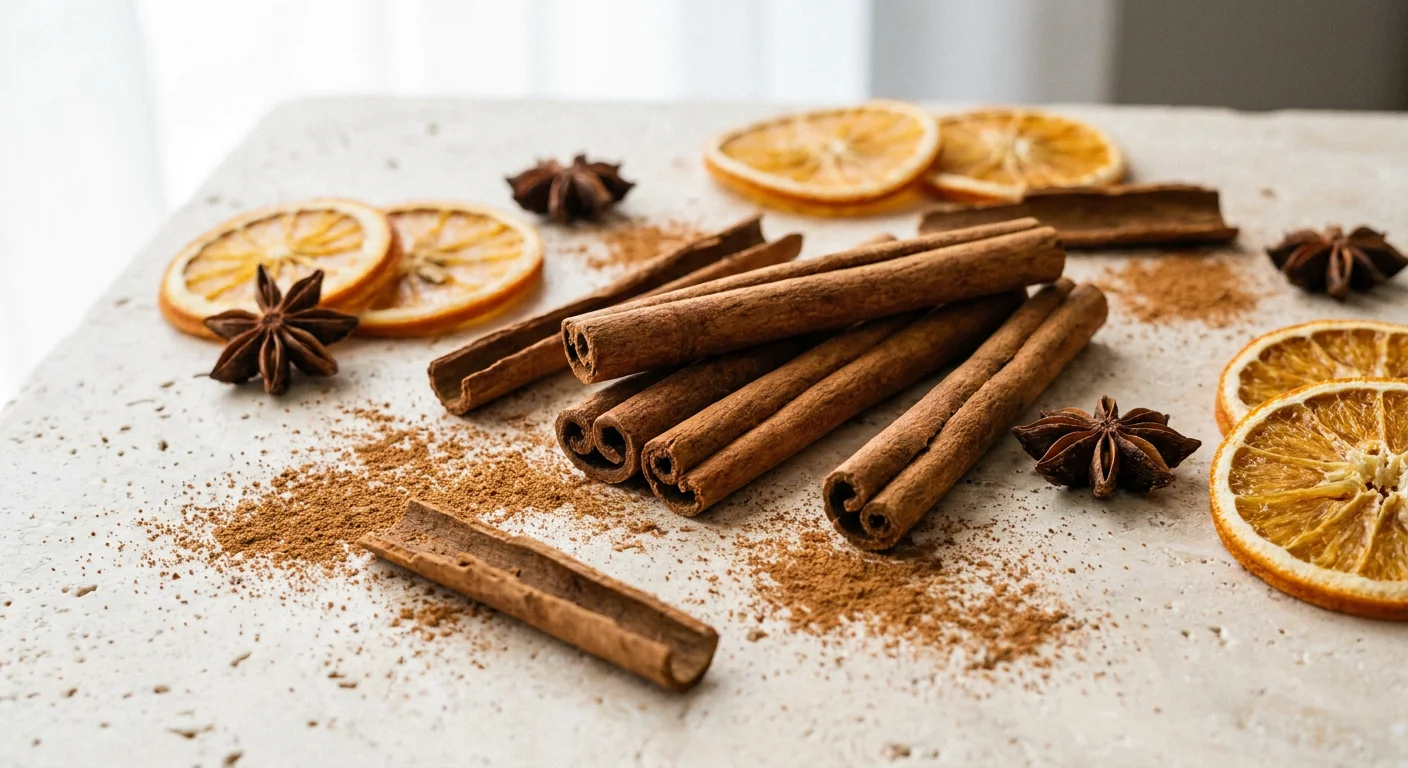
For half the world, it's the bright, citrusy note that makes a dish sing. For the other half, it's... soap. But beyond the great coriander debate lies a simple truth: this isn't just a garnish. A proper handful of coriander leaves (or cilantro, as it's known in the Americas) is a legitimate green vegetable, bringing fibre, a surprising amount of vitamin C, and next to no calories or carbs. It's time we stopped sprinkling and started scooping.
↑ Fresh coriander leaves — more than a garnish, it's a nutrient-dense green.
The herb you should use like a vegetable
Let's get one thing straight: coriander and cilantro are the same plant, Coriandrum sativum. In the UK and much of the world, we call the leaves 'coriander' and the seeds 'coriander seeds'. In the Americas, the leaves are 'cilantro' and the seeds are 'coriander'.
Now that's settled, let's talk about how to use it. Too often it's relegated to a last-minute sprinkle, but in many cuisines — from Mexican and Thai to Indian and Vietnamese — it's used by the handful. It's stirred into soups, blended into sauces, and piled into salads. That's when it stops being a decoration and starts being a food with real benefits.
THE BIG IDEA
Think of it less like parsley and more like spinach — a leafy green to be used generously.
Coriander nutrition facts
Here's what you get in a 100-gram portion of fresh coriander leaves — roughly one large supermarket bunch. It's surprisingly nutrient-dense for something so light.
Coriander's glycemic index
Talking about the glycemic index of coriander is a bit like asking for the GI of water. Because it's a leafy green with very few carbohydrates (just 3.7 grams per 100g, most of which is fibre), its effect on blood sugar is negligible. It has no assigned GI value because it's too low to measure meaningfully.
For anyone managing blood sugar, coriander isn't just safe — it's a freebie. You can add it to any meal without a second thought, knowing it will only add flavour, nutrients and fibre, not sugar.
GLYCEMIC INDEX · HOW CORIANDER COMPARES
Context: Coriander's GI is close to zero
Cherries
whole fruit
LOW
Apple
whole fruit
LOW
Pineapple
whole fruit
MEDIUM
White bread
refined
HIGH
SCALE 0–90
04590
How to use it well
To get the most from this herb, you need to think beyond the sprinkle.
01
Use handfuls, not sprigs.
Treat it like a salad leaf. Add a whole cup of chopped leaves and stems to a dish, not a sad little teaspoon.
02
Don't waste the stems.
They're packed with even more flavour than the leaves. Chop them finely and add them early in cooking to soups, curries, or marinades.
03
Add it late for freshness.
Its bright, fresh flavour is volatile. For hot dishes, stir the leaves in right at the end of cooking to preserve their punchy character.
04
Blend it into sauces.
Coriander is the backbone of countless vibrant green sauces, from Indian chutneys and Thai curry pastes to Mexican salsas and Middle Eastern zhoug.
What coriander is good for
01
Flavour without calories
Its biggest benefit is practical: it adds a huge amount of fresh, complex flavour for virtually no calories, fat, sugar, or salt. A brilliant tool for healthier cooking.
23
cals/100g
02
A surprising vitamin C hit
A large 100g bunch provides 27mg of vitamin C, about 30% of your daily needs. This supports immune function and skin health.
30%
vit C DV
03
A decent dose of fibre
When you use it generously, the fibre adds up. A 100g portion delivers 2.8g of fibre, which is about 10% of your daily value, supporting good digestion.
2.8 g
fiber
04
Rich in antioxidants
Like all leafy greens, coriander is packed with plant compounds and antioxidants that help protect your cells from damage.
Zero
sugar
What to pair it with
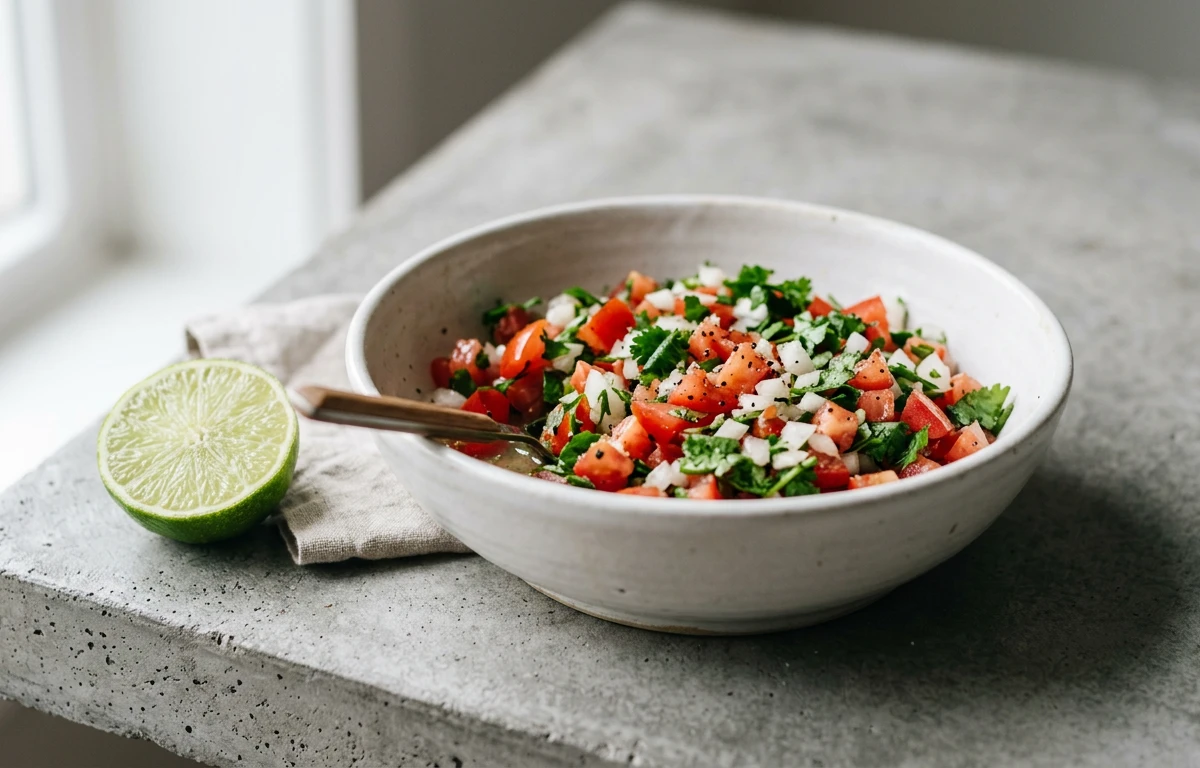
Coriander's bright, citrusy flavour cuts through richness and complements a huge range of foods.
Eat freely — or be mindful?
Three ways to use it
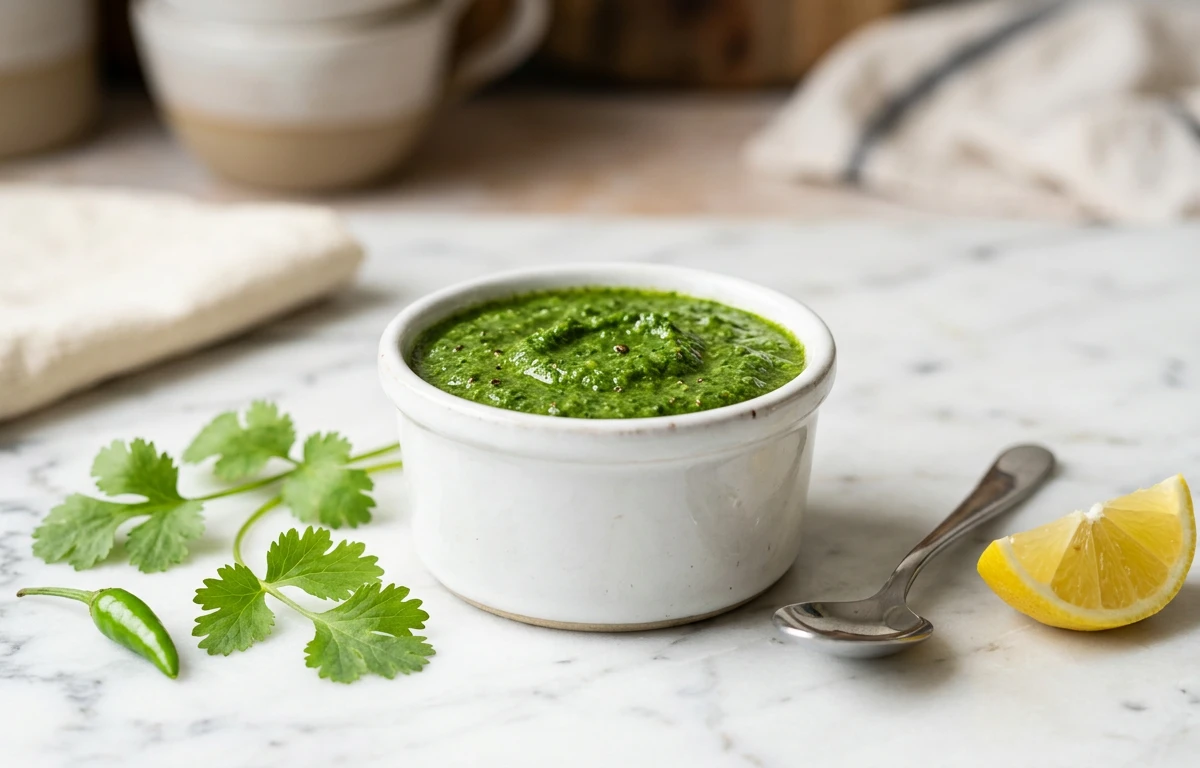
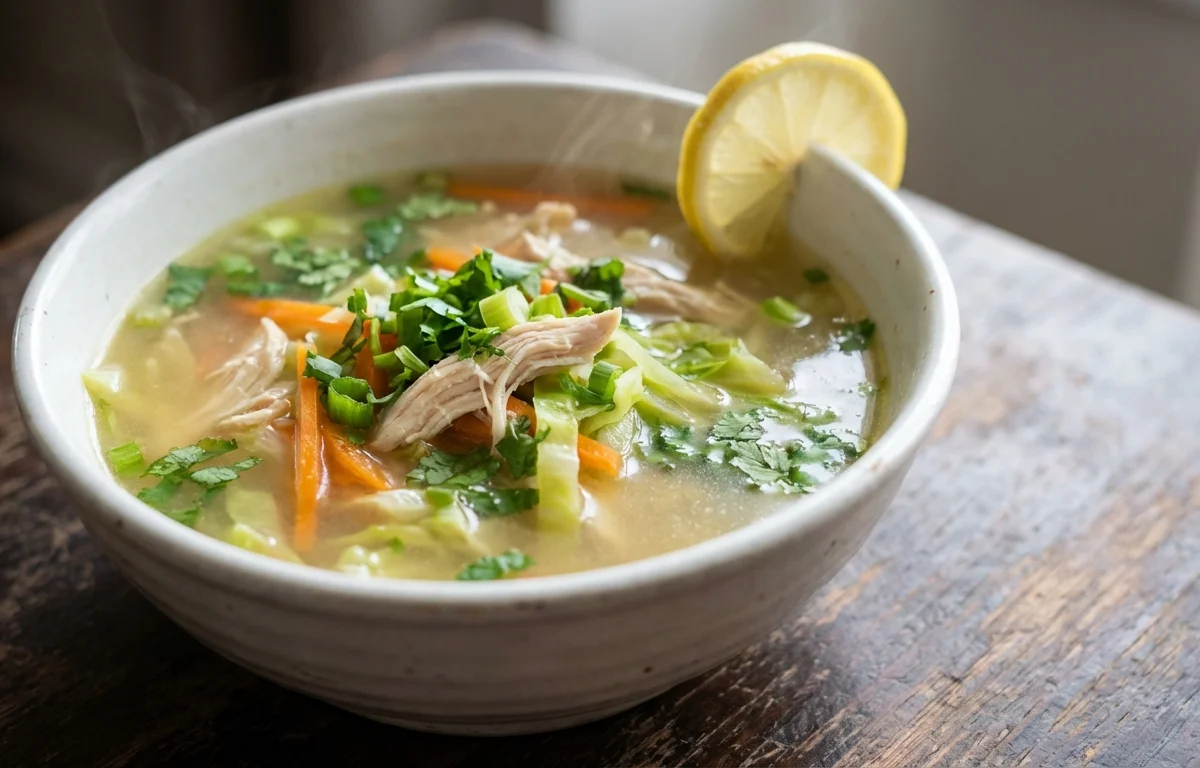
Three simple recipes that put coriander front and centre, using it by the handful for maximum flavour and benefit.
Want more fresh flavours worked into a balanced week?
Our meal planner uses fresh herbs like coriander to make healthy food delicious, with portions and macros already calculated and a single grocery list at the end.
Build my weekly plan →SOURCES & REFERENCES · 3
One more thing
Eating well is rarely about willpower. It’s about having a short list of dinners you actually want to eat. Pick two from this list. Make them next week. The rest will follow.
If you want these on autopilot, our weekly meal planner can drop the picks above into your calendar with one click and build a single grocery list from the merged ingredients.
FREQUENTLY ASKED QUESTIONS
Frequently asked questions
Is coriander the same as cilantro?
Yes. They are the same plant, Coriandrum sativum. In North America, the leaves and stems are called 'cilantro', while in the UK and elsewhere they are 'coriander'. The dried seeds are called 'coriander' in both regions.
Why does coriander taste like soap to some people?
It's genetic! A variation in a group of olfactory-receptor genes, primarily one called OR6A2, makes some people highly sensitive to the aldehyde chemicals in coriander. This causes them to perceive its flavour as soapy or unpleasant.
Is coriander good for people with diabetes?
Yes, it's an excellent choice. It has a negligible glycemic index and almost no carbohydrates, so it won't raise blood sugar. It's a great way to add flavour to meals without adding sugar, salt, or fat.
Can you eat coriander stems?
Absolutely! The stems are full of flavour, arguably even more so than the leaves. Just chop them finely and use them in your cooking, especially in sauces, marinades, or the base of a soup or curry.

ABOUT THE AUTHOR
Shreya Chatterjee
NUTRITION WRITER
Shreya is a nutrition writer and the voice behind The Nutrition Pen, where she turns evidence-based nutrition into simple, repeatable eating habits. Her writing focuses on practical food guidance — what to actually put on the plate — for readers who want to eat well without the noise.
Meet the editorial team →METHODOLOGY
How this article was created
Built using verified nutrition databases, culinary research, and traditional cooking knowledge — every claim is cross-referenced against the sources listed in the article.
· USDA data· Culinary research· Quality reviewed
Read our methodology →TRANSPARENCY
About this content
Articles are curated using trusted food databases (USDA FoodData Central, IFCT), culinary literature, and dietary guidelines, then structured by our editorial team for clarity, accuracy, and usefulness.
· Verified data sources· Culinary research· Quality reviewed
Read our editorial policy →RELATED RECIPES
Cook from this article
EXPLORE OUR MEALS
Meals that fit this article

AMERICAN · 1677 CAL
Almonds with Sliced Apple + supplement + iron

MEDITERRANEAN · 809 CAL
Greek Yogurt with Berries Almonds and Granola + supplement + iron

GENERAL_HEALTHY · 705 CAL
Banana with Peanut Butter Pregnancy + supplement + iron

MODERN · 982 CAL
Hummus with Crudits and Pita with Fresh Orange Snack + supplement + iron
TAGGED
KEEP READING