Garlic: Health Benefits, Vitamin C, Glycemic Index & How to Use It: verified nutrition facts, glycemic context, serving guidance, and practical cooking ideas.
↑ Garlic's power is unlocked by crushing or chopping it before cooking.
The pungent little powerhouse
Garlic is technically a vegetable from the onion family, but we use it like an herb. It's the ultimate flavor foundation, adding a savory, aromatic depth that's hard to replicate. While a whole head of garlic has a surprising amount of carbohydrates, nobody eats that much. A clove or two is all you need, and in those small amounts, garlic is mostly a delivery system for flavor and fascinating sulfur compounds.
The most famous of these is allicin. It's not actually in the garlic clove to begin with. It's formed when you damage the garlic's cells — by chopping, crushing, or chewing — causing an enzyme (alliinase) to mix with a compound (alliin). That reaction creates the pungent, healthy, and occasionally breath-destroying allicin.
IN ONE LINE
Garlic's main health benefit, allicin, is only created when you chop or crush it. Let it sit for 10 minutes before cooking to maximize its potential.
Garlic nutrition facts
The numbers for a standard 100-gram serving (about 30 cloves) look high, but remember that a typical recipe uses just one to three cloves (around 3-9 grams). It's a useful way to compare it to other vegetables, but not how you'd actually eat it.
The allicin question
So if allicin is the star, how do you get the most of it? It's fragile. The enzyme that creates it is destroyed by heat. If you throw whole cloves into a hot pan, you'll get a lovely roasted garlic flavor, but you won't get much allicin.
The trick is to chop or crush your garlic first, then let it sit on the cutting board for about 10 minutes before you introduce it to heat. This gives the enzyme time to work its magic and create a good supply of allicin. Some of that allicin will then survive a brief cooking time. For maximum potency? You have to eat it raw, but that's a bold move for most of us.
For some people, particularly those with IBS, garlic is a major trigger for bloating and discomfort. It's high in fructans, a type of FODMAP. Garlic-infused oil is a great workaround, as the fructans don't leach into the oil.
Garlic's glycemic index
You won't find an official glycemic index number for garlic, and for good reason: it's irrelevant. You use so little that its 3 grams of carbohydrate per serving have virtually no impact on your blood sugar. It's one of the best tools you have for adding incredible flavor to food without adding sugar, fat, or anything that would cause a glucose spike. It's all flavor, no consequences.
GLYCEMIC INDEX · GARLIC vs COMMON FOODS
Garlic's impact is close to zero
Garlic
typical serving
LOW
Apple
whole fruit
LOW
Pineapple
whole fruit
MEDIUM
Watermelon
whole fruit
HIGH
White bread
refined
HIGH
SCALE 0–90
04590
The smart way to use it
Getting the best from garlic is easy. It's more about technique than complicated recipes.
01
Chop and wait.
To maximize allicin, crush or chop your garlic and let it rest for 10 minutes before cooking.
02
Don't burn it.
Burnt garlic is acrid and bitter. Add it to the pan after other aromatics like onion, and cook over medium heat until fragrant, not dark brown.
03
Roast it whole.
For a sweet, mild, spreadable garlic, cut the top off a whole head, drizzle with olive oil, wrap in foil, and roast at 400°F (200°C) for 30-40 minutes.
04
Use raw for a kick.
Finely minced raw garlic is fantastic in dressings, pesto, or aioli. A little goes a long way.
05
Know your powders.
Garlic powder is dehydrated garlic, good for dry rubs. Garlic salt is mostly salt with some garlic powder. They're not a 1:1 substitute for fresh.
What garlic is good for
01
Supporting heart health
Multiple studies suggest regular garlic intake can have a small but meaningful effect on lowering blood pressure and cholesterol levels.
Allicin
compound
02
An immune system ally
Garlic has well-documented antimicrobial, antiviral, and antifungal properties, largely thanks to allicin. It's also a good source of immune-supporting Vitamin C.
35%
Vit C DV / 100g
03
Rich in antioxidants
Garlic contains potent antioxidants that help protect your cells from oxidative damage, which is linked to aging and chronic disease.
Sulfur
compounds
04
Flavor without the downside
Maybe its greatest health benefit is practical: it makes healthy food like vegetables and lean proteins taste amazing for almost zero calories, fat, or sodium.
~4 cal
per clove
What to pair garlic with
What doesn't garlic pair with? It's the ultimate team player. Here are a few classic partnerships.
Use freely — or be mindful?
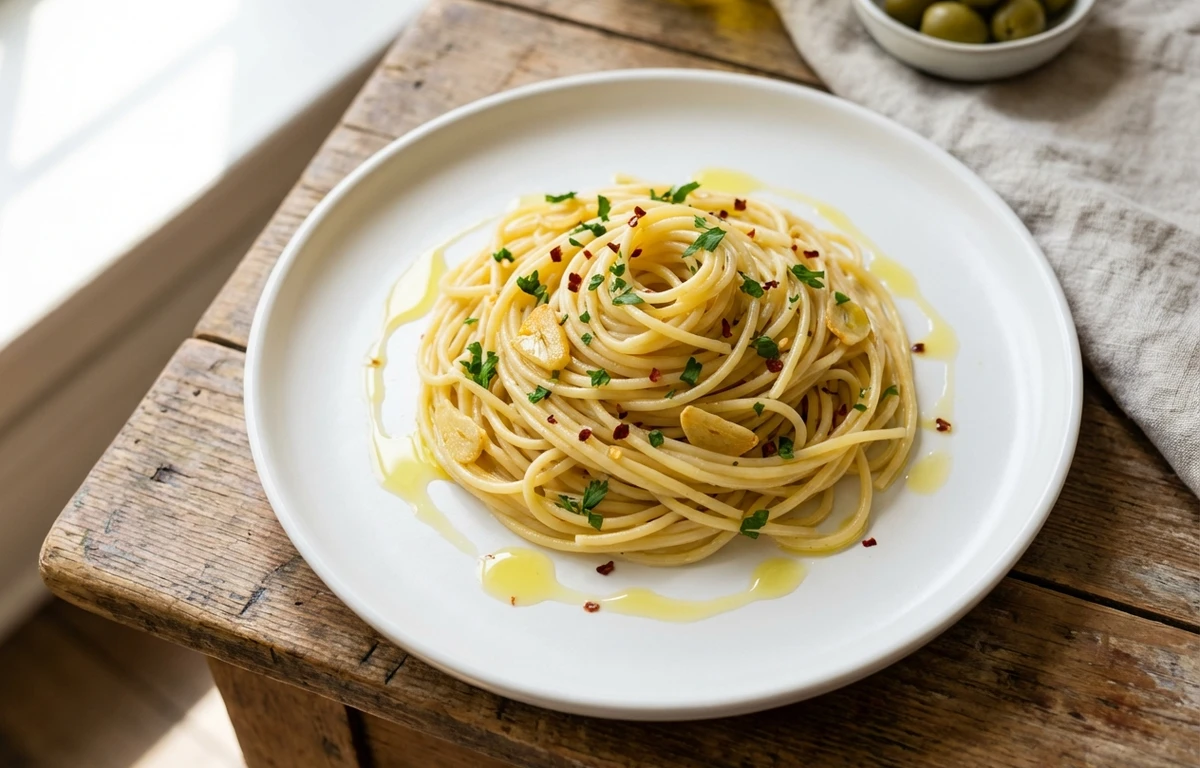
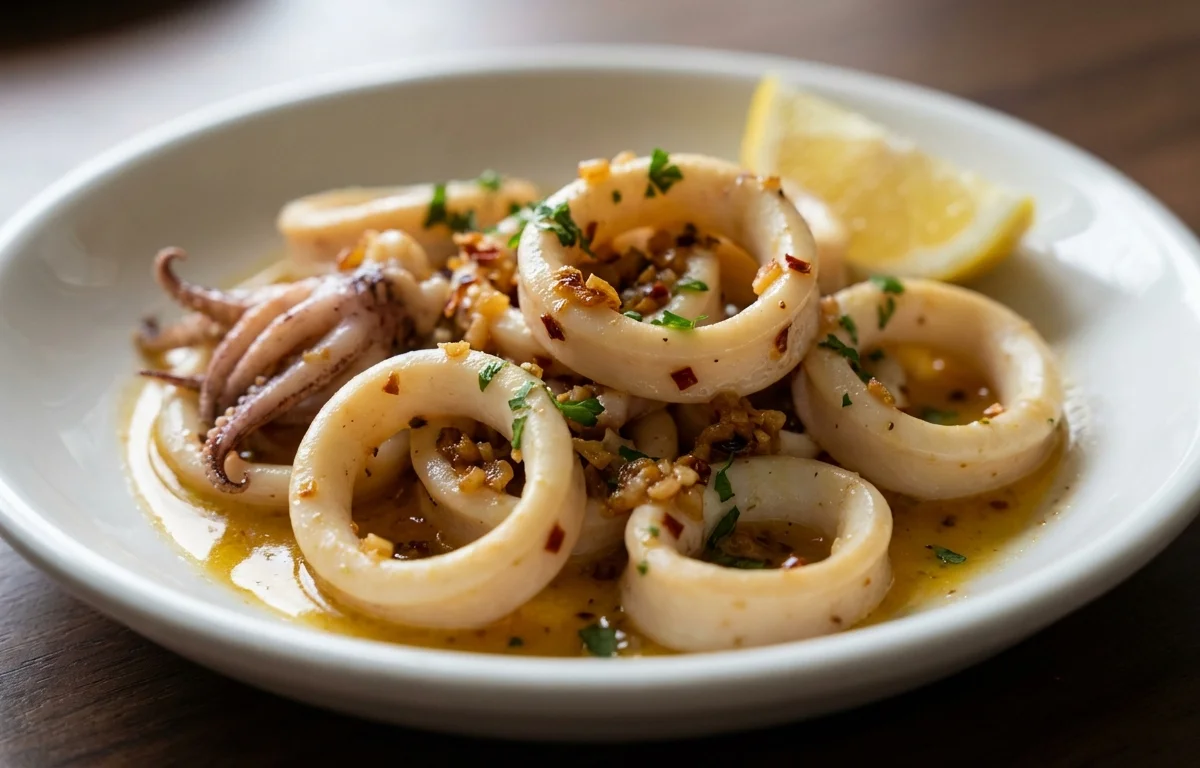
Three ways to use it
Beyond just chopping it into a pan, here are three simple recipes that put garlic front and center.
Want to make healthy eating more flavorful — without the effort?
Our meal planner uses ingredients like garlic to make nutritious food delicious. Get balanced recipes, pre-calculated macros, and a single grocery list to make your week easy.
Build my weekly plan →SOURCES & REFERENCES · 3
One more thing
Eating well is rarely about willpower. It’s about having a short list of dinners you actually want to eat. Pick two from this list. Make them next week. The rest will follow.
If you want these on autopilot, our weekly meal planner can drop the picks above into your calendar with one click and build a single grocery list from the merged ingredients.
FREQUENTLY ASKED QUESTIONS
Frequently asked questions
Is raw or cooked garlic healthier?
Raw garlic has the highest levels of allicin, the beneficial compound. However, it can be harsh on the stomach. Chopping garlic and letting it sit for 10 minutes before cooking preserves some of the allicin. Roasted garlic is mildest but has the least allicin. A mix of both is a good approach.
Does garlic really help with colds?
There is some evidence that garlic's antimicrobial properties can help reduce the severity and duration of colds, but it's not a cure. Think of it as a supportive food, not medicine. Regular intake seems to be more effective than taking a large amount when you're already sick.
Why does garlic give me heartburn or an upset stomach?
Garlic is a common trigger for acid reflux (GERD). It can relax the lower esophageal sphincter, allowing stomach acid to splash back up. It's also high in fructans (a FODMAP), which can cause gas and bloating in people with IBS.
How do you get rid of garlic breath?
The sulfur compounds in garlic are absorbed into your bloodstream and released through your lungs and pores. The best remedies are foods that help neutralize these compounds. Try chewing on fresh parsley or mint, or eating an apple or some lettuce after your meal.

ABOUT THE AUTHOR
Shreya Chatterjee
NUTRITION WRITER
Shreya is a nutrition writer and the voice behind The Nutrition Pen, where she turns evidence-based nutrition into simple, repeatable eating habits. Her writing focuses on practical food guidance — what to actually put on the plate — for readers who want to eat well without the noise.
Meet the editorial team →METHODOLOGY
How this article was created
Built using verified nutrition databases, culinary research, and traditional cooking knowledge — every claim is cross-referenced against the sources listed in the article.
· USDA data· Culinary research· Quality reviewed
Read our methodology →TRANSPARENCY
About this content
Articles are curated using trusted food databases (USDA FoodData Central, IFCT), culinary literature, and dietary guidelines, then structured by our editorial team for clarity, accuracy, and usefulness.
· Verified data sources· Culinary research· Quality reviewed
Read our editorial policy →RELATED RECIPES
Cook from this article
EXPLORE OUR MEALS
Meals that fit this article

AMERICAN · 1677 CAL
Almonds with Sliced Apple + supplement + iron

MEDITERRANEAN · 809 CAL
Greek Yogurt with Berries Almonds and Granola + supplement + iron

GENERAL_HEALTHY · 705 CAL
Banana with Peanut Butter Pregnancy + supplement + iron

MODERN · 982 CAL
Hummus with Crudits and Pita with Fresh Orange Snack + supplement + iron
TAGGED
KEEP READING