Fruit10 recipes
litchi.
VegetarianVeganGluten-freeDairy-freeNut-freePeanut-freeSoy-freeEgg-freeShellfish-freeHoney-freeAlcohol-free
SERVING
CALORIES
54
PROTEIN
0.99g
CARBS
11.4g
FAT
0.26g
FIBER
1.3g
NUTRITION PROFILE · per 100 g
Everything in this ingredient.
MACRONUTRIENTS
Calories53.8kcal—
Protein0.99g2%
Carbohydrates11.4g4%
Fiber1.3g5%
Sugar9.3g19%
Total fat0.26g0%
Saturated fat0.09g0%
Trans fat0g—
Cholesterol0mg0%
Water85.6g—
MINERALS
Sodium0.54mg0%
Potassium161mg3%
Calcium5.8mg0%
Iron0.79mg4%
Magnesium14.6mg3%
Phosphorus23.3mg2%
Zinc0.24mg2%
Copper0.11mg12%
Manganese0.04mg2%
Selenium0.46µg1%
VITAMINS
Vitamin A1.5µg0%
Vitamin C33.8mg38%
Vitamin D0.33µg2%
Vitamin E0.06mg0%
Vitamin K7.8µg7%
Thiamin (B1)0.02mg2%
Riboflavin (B2)0.06mg5%
Niacin (B3)0.23mg1%
Pantothenic acid (B5)0.19mg4%
Vitamin B60.07mg4%
Biotin (B7)2.8µg9%
Folate (B9)15.7µg4%
%DV based on a 2,000 cal diet. Source: USDA FoodData Central. A dash in the %DV column means there’s no established Daily Value for that nutrient.
MEASUREMENT CONVERSIONS
How much is what.
1 cup190g
1 tablespoon11.9g
1 teaspoon4g
1 oz28.4g
1 lb453.6g
1 ml0.8g
1 liter804g
1 piece18g
HEALTH BENEFITS
Why eat it.
- ✓Excellent source of Vitamin C, which supports immune function and skin health.
- ✓Rich in antioxidants like polyphenols and flavonoids, which help combat oxidative stress and inflammation.
- ✓Provides essential minerals such as potassium and copper, important for blood pressure regulation and red blood cell formation.
- ✓High water content contributes to hydration, making it a refreshing fruit choice.
COOKING TIPS
In the kitchen.
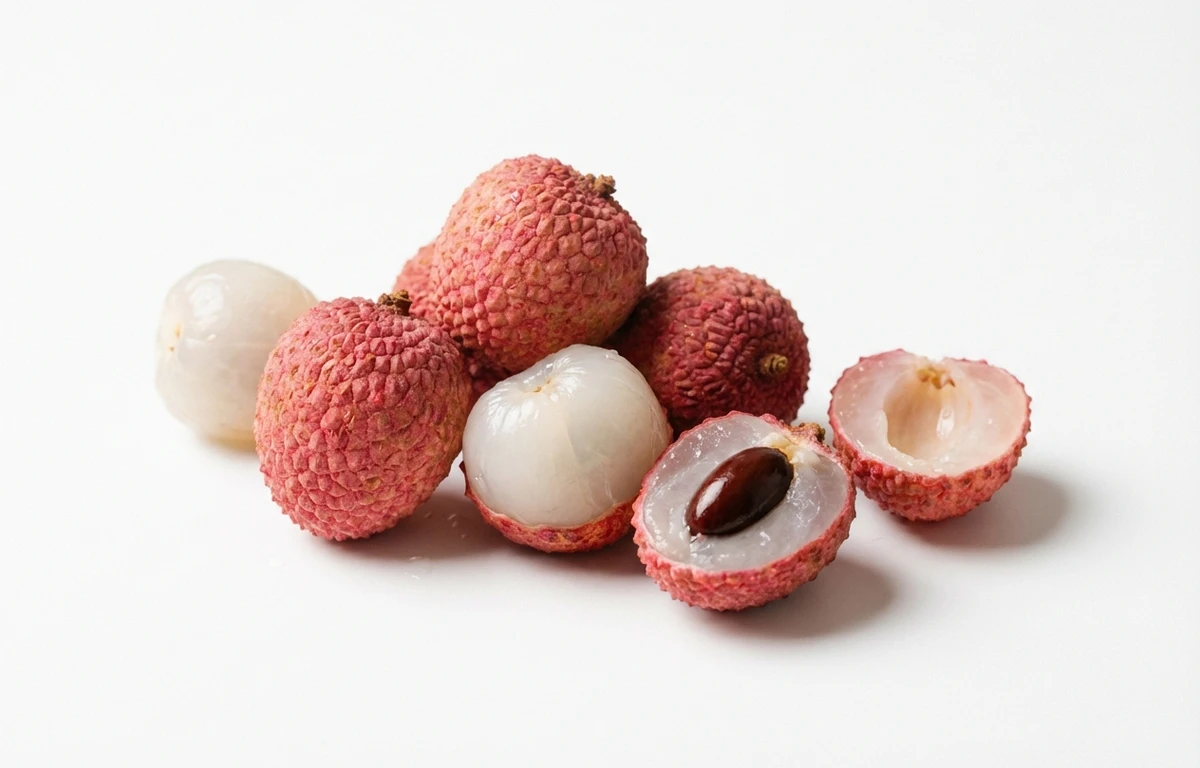
- 1To prepare, make a small slit in the leathery skin with a knife or your thumbnail, then peel it away and remove the single large seed inside.
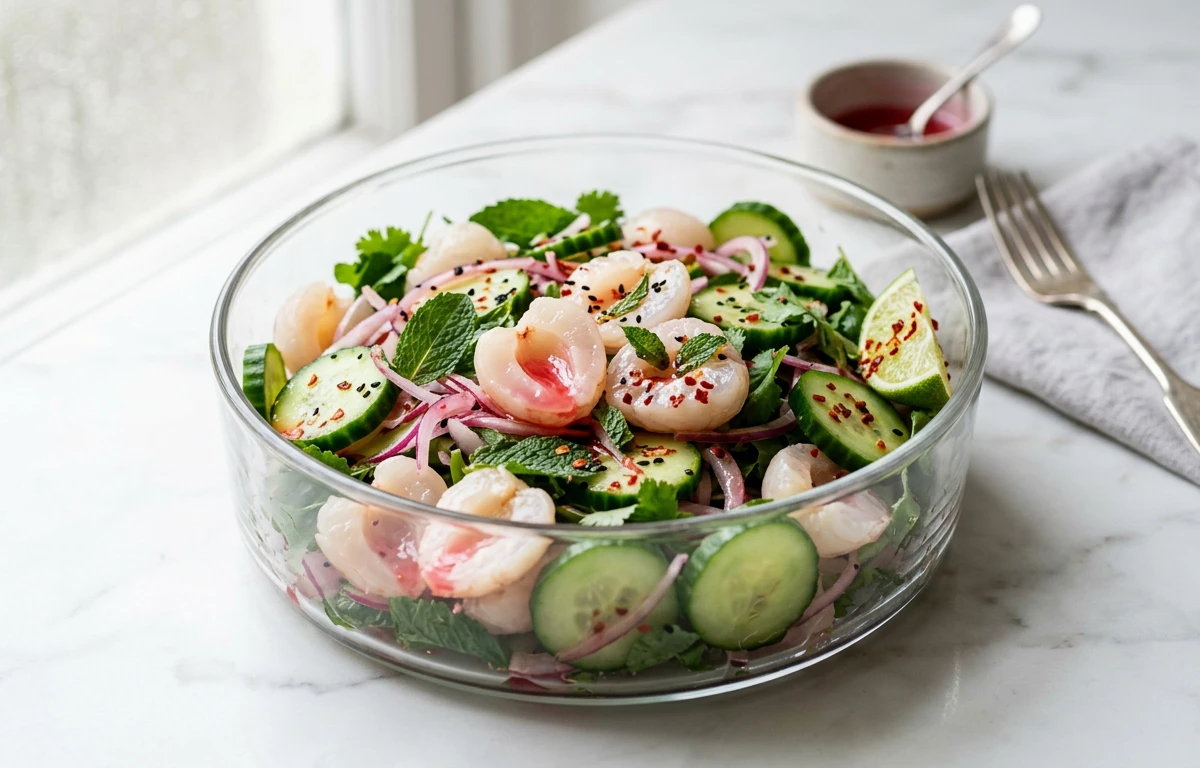
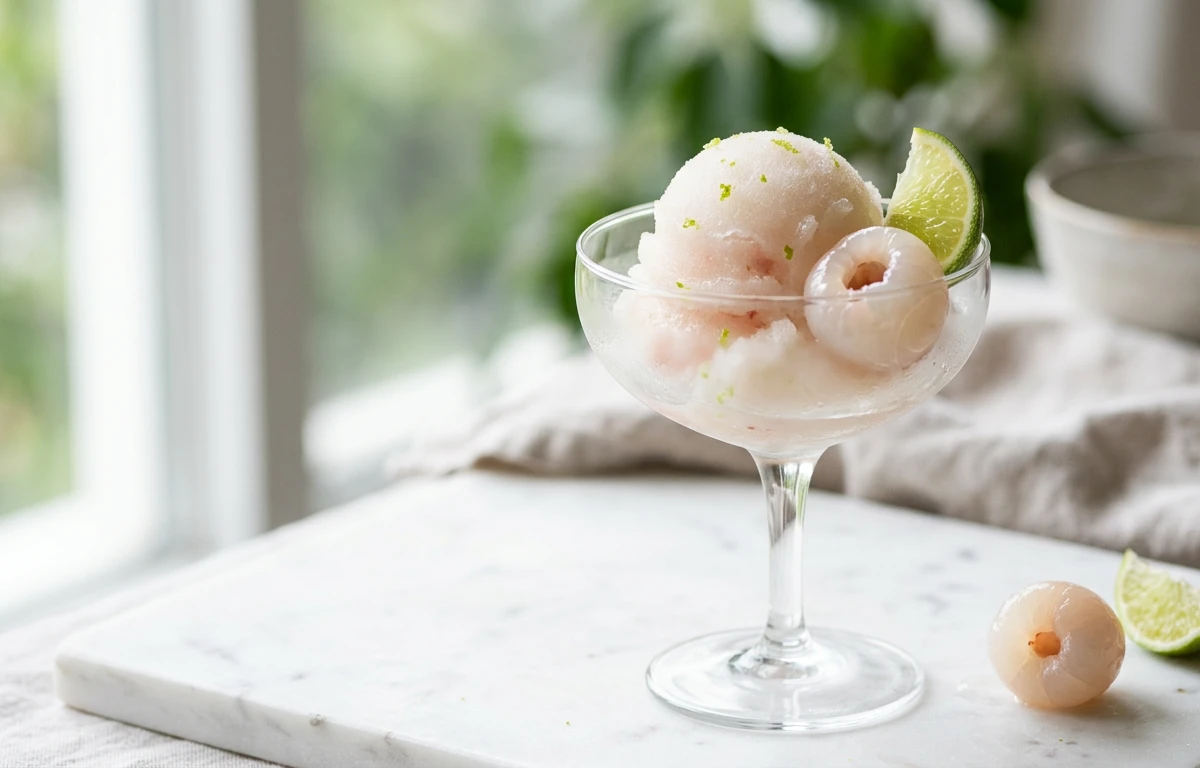
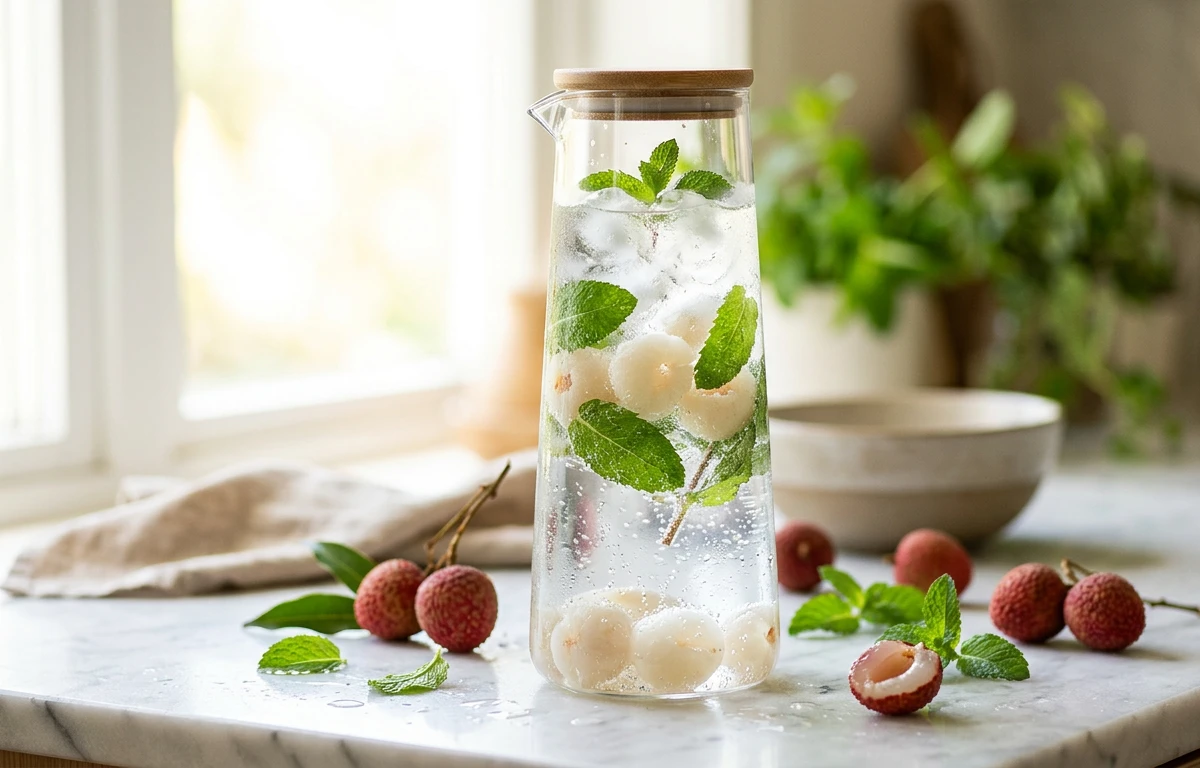
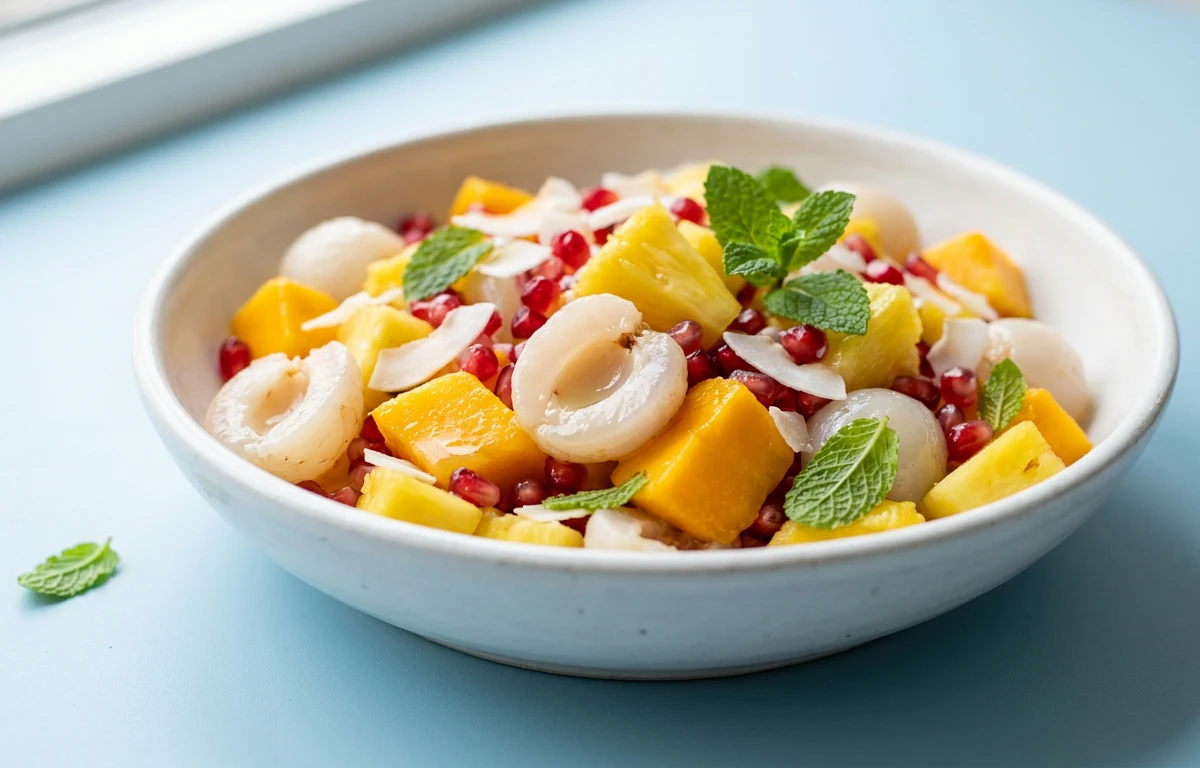
- 2Serve fresh in fruit salads, desserts like sorbet and panna cotta, or muddled into cocktails and mocktails like mojitos and lemonades.
- 3Litchi pairs well with other tropical fruits, coconut milk, lime, ginger, and mint.
- 4In savory dishes, litchis can be added to sweet and sour sauces or used as a garnish for light chicken or fish dishes.
STORAGE
Keep it fresh.
- Store fresh, unpeeled litchis in a plastic bag in the refrigerator for up to one week. The skin may brown, but the flesh will remain fresh.
- For long-term storage, peel, deseed, and freeze the litchi flesh in an airtight container for up to six months.
FAQ
Frequently asked questions.
Is litchi healthy and what are its main health benefits?
Yes, litchi is a healthy fruit, particularly rich in Vitamin C, which boosts immune function and promotes skin health. It also contains antioxidants like polyphenols and flavonoids that help combat oxidative stress and inflammation. Additionally, litchi provides essential minerals such as potassium and copper, supporting blood pressure regulation and red blood cell formation.
How many calories and carbohydrates are in litchi?
Per 100 grams, litchi contains approximately 53.78 calories and 11.41 grams of carbohydrates. It is a relatively low-calorie fruit, with most of its energy coming from natural sugars.
Is litchi good for weight loss?
Litchi can be a good addition to a weight loss diet due to its low-calorie content and high water content, which helps with hydration and satiety. Its natural sweetness can also satisfy cravings for sugary foods. However, like all fruits, moderation is key due to its natural sugar content.
Is litchi suitable for vegan and gluten-free diets?
Yes, litchi is naturally vegan as it is a fruit and contains no animal products. It is also naturally gluten-free, making it a safe and healthy choice for individuals following gluten-free diets.
Can people with diabetes eat litchi?
While litchi contains natural sugars, it has a moderate glycemic index. Diabetics can consume litchi in moderation as part of a balanced diet, but it's advisable to monitor blood sugar levels and consult with a healthcare professional or dietitian to determine appropriate portion sizes.
How do you prepare and eat litchi?
To eat litchi, simply peel off the thin, reddish-pink skin, which is not edible. The translucent white flesh is then exposed, surrounding a single dark seed. Discard the seed before eating the sweet, juicy flesh.
What does litchi taste like?
Litchi has a distinct sweet and slightly floral taste, often described as a blend of grape and pear with a hint of rose. Its texture is juicy and somewhat firm, similar to a grape, with a refreshing quality.
How should I store fresh litchi?
Fresh litchi should be stored in the refrigerator to maintain its freshness. Place them in a plastic bag or an airtight container to prevent them from drying out. They can typically last for about 1-2 weeks when stored properly.
How do I select ripe and fresh litchi?
Look for litchi with bright red or reddish-pink skin that is firm but yields slightly to gentle pressure. Avoid litchi with cracked, bruised, or overly soft skin, or those with a dull color, as these may indicate overripeness or spoilage. A sweet, fragrant aroma is also a good sign.
Can litchi be frozen for later use?
Yes, litchi can be frozen. You can freeze them whole with the skin on, or peeled and deseeded. For best results, place peeled litchi in a single layer on a baking sheet to freeze, then transfer to an airtight container or freezer bag. Frozen litchi can last for several months and are great for smoothies or desserts.
RECIPES
Cook with litchi.
10 recipes · sorted by what’s quick