seafood
royyalu.
VegetarianVeganGluten-freeDairy-freeNut-freePeanut-freeSoy-freeEgg-freeShellfish-freeHoney-freeAlcohol-free
SERVING
CALORIES
85
PROTEIN
20.3g
CARBS
0g
FAT
0.50g
FIBER
0g
NUTRITION PROFILE · per 100 g
Everything in this ingredient.
MACRONUTRIENTS
Calories85kcal—
Protein20.3g41%
Carbohydrates0g0%
Fiber0g0%
Sugar0g0%
Total fat0.50g1%
Saturated fat0.10g1%
Trans fat0g—
Cholesterol161mg54%
Water78.4g—
MINERALS
Sodium111mg5%
Potassium259mg6%
Calcium70mg5%
Iron0.51mg3%
Magnesium39mg9%
Phosphorus237mg19%
Zinc1.6mg15%
Copper0.30mg33%
Manganese0.03mg1%
Selenium38µg69%
Iodine35µg23%
VITAMINS
Vitamin A54µg6%
Vitamin C0mg0%
Vitamin D0.10µg1%
Vitamin E0.52mg3%
Vitamin K0.10µg0%
Thiamin (B1)0.03mg3%
Riboflavin (B2)0.03mg2%
Niacin (B3)1.3mg8%
Pantothenic acid (B5)0.31mg6%
Vitamin B60.11mg6%
Folate (B9)1.0µg0%
Vitamin B121.1µg46%
%DV based on a 2,000 cal diet. Source: USDA FoodData Central. A dash in the %DV column means there’s no established Daily Value for that nutrient.
MEASUREMENT CONVERSIONS
How much is what.
1 cup150g
HEALTH BENEFITS
Why eat it.
- ✓Excellent source of lean protein, which is crucial for muscle repair and satiety.
- ✓Rich in selenium, a powerful antioxidant that supports immune function and thyroid health.
- ✓Contains astaxanthin, an antioxidant that may help reduce inflammation and protect skin from damage.
- ✓Good source of iodine, which is essential for proper thyroid function and brain health.
COOKING TIPS
In the kitchen.
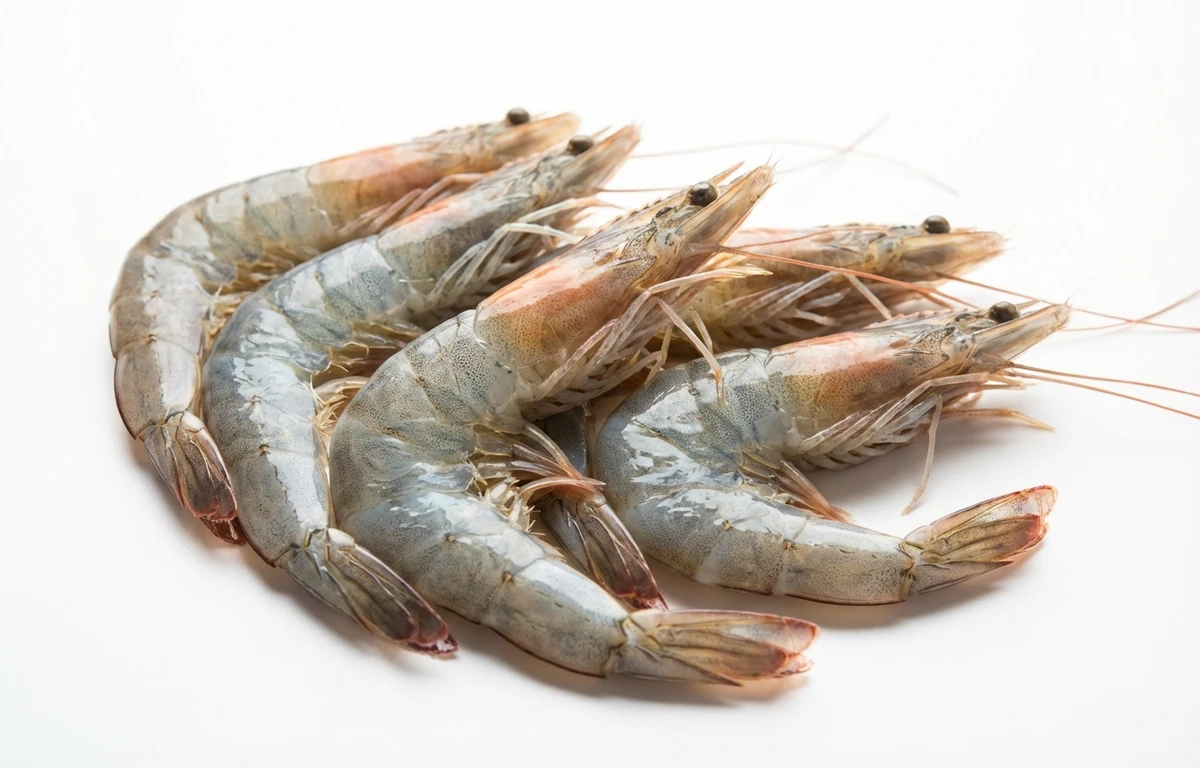
- 1To devein, make a shallow incision along the back of the prawn and remove the dark digestive tract with the tip of a knife or a toothpick.
- 2Cook prawns quickly over high heat until they turn pink and opaque, typically 2-3 minutes. Overcooking will result in a tough, rubbery texture.
- 3Prawns absorb flavors well. A short marinade of 15-30 minutes is sufficient; avoid long soaks in acidic marinades as it can 'cook' the flesh.
- 4The shells and heads are excellent for making a flavorful seafood stock or broth.
STORAGE
Keep it fresh.
- Store fresh prawns in the coldest part of the refrigerator on a bed of ice and consume within 1-2 days.
- For longer storage, freeze prawns at 0°F (-18°C) in an airtight container or freezer bag for up to 3-6 months. Thaw in the refrigerator before use.
FAQ
Frequently asked questions.
Is royyalu healthy?
Yes, royyalu is a highly nutritious seafood choice. It is an excellent source of lean protein and contains essential minerals like selenium and iodine, which support immune function and thyroid health.
How much protein is in royyalu?
Royyalu is very protein-dense, providing approximately 20.3g of protein per 100g serving. This makes it an ideal food for muscle repair, growth, and maintaining satiety.
Is royyalu good for weight loss?
Yes, it is excellent for weight management. With only 85 calories and 0.5g of fat per 100g, it allows you to consume a high volume of protein with very few calories.
Is royyalu keto-friendly?
Absolutely. Royyalu contains 0g of carbohydrates, making it a perfect protein source for ketogenic and other low-carb dietary patterns.
Is royyalu gluten-free?
Naturally, royyalu is gluten-free. However, always check the preparation method, as breaded prawns or certain commercial sauces may contain gluten-based thickeners.
What does royyalu taste like?
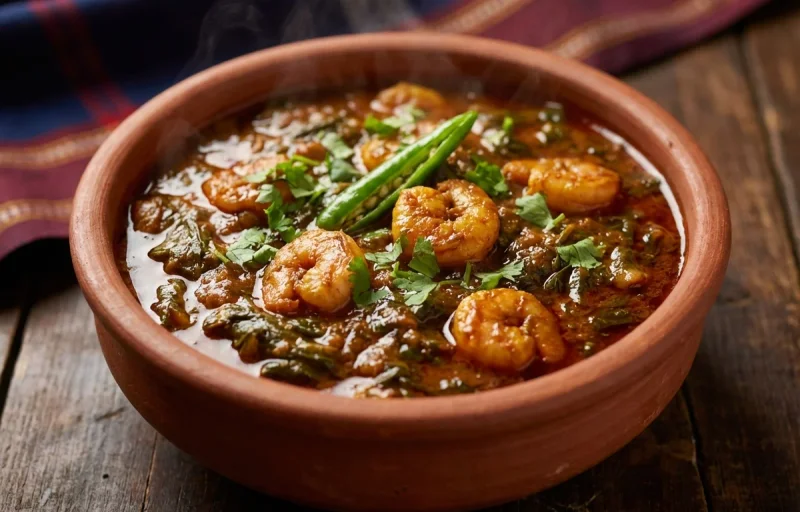
Royyalu has a mild, slightly sweet flavor and a firm, snappy texture. Because its flavor is subtle, it is excellent at absorbing the spices and aromatics used in curries and stir-fries.
How do you cook royyalu?
Royyalu cooks very quickly, usually in 3-5 minutes. They can be sautéed, grilled, or simmered in gravy; they are perfectly cooked when the flesh turns opaque and the shape curls into a 'C'.
How do you store royyalu?
Fresh royyalu should be kept in the coldest part of the refrigerator and used within 1-2 days. For long-term storage, they can be frozen in an airtight bag for up to 6 months.
How do you know if royyalu is fresh?
Fresh royyalu should have a mild, ocean-like scent and firm, translucent flesh. Avoid any that smell like ammonia, feel slimy, or have many black spots on the shells.
Do I need to devein royyalu?
While the 'vein' (the digestive tract) is not harmful to eat, it is usually removed for better texture and appearance. You can remove it by making a shallow slit along the back and lifting it out with a toothpick or knife.
RECIPES
Cook with royyalu.
0 recipes · sorted by what’s quick