grain
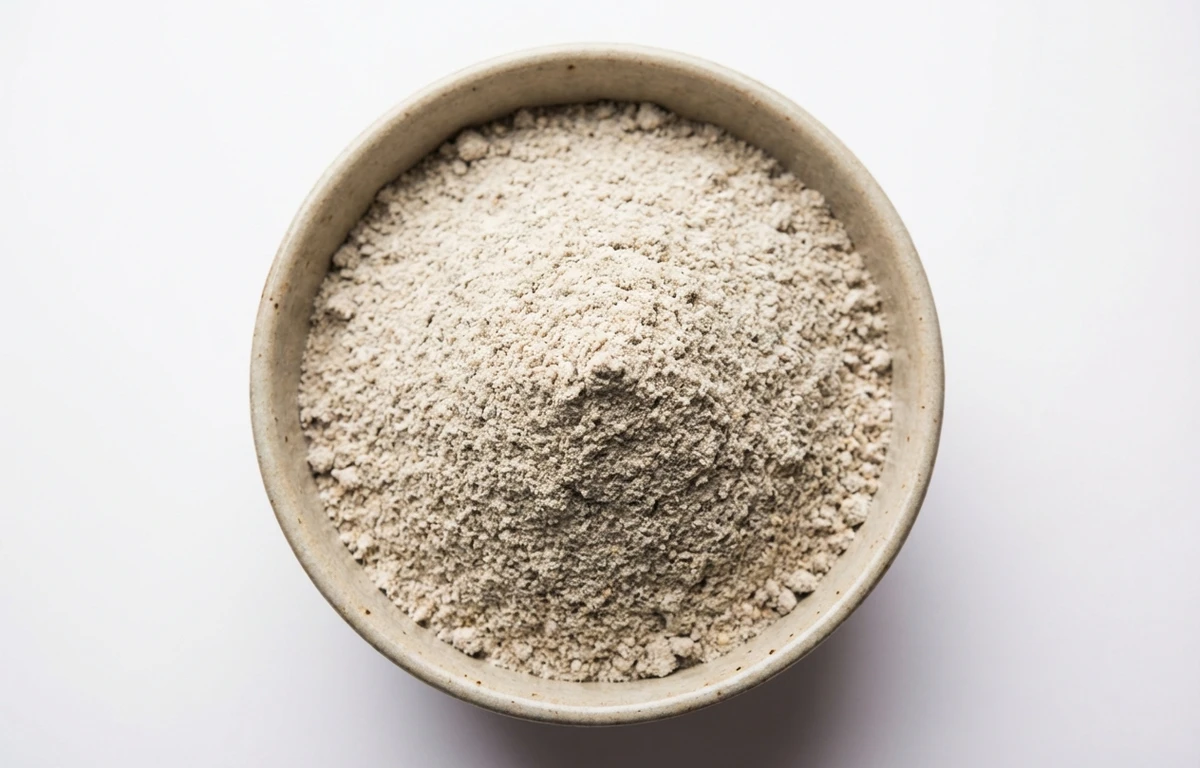
sajja pindi.
VegetarianVeganGluten-freeDairy-freeNut-freePeanut-freeSoy-freeEgg-freeShellfish-freeHoney-freeAlcohol-freeWhole grain
SERVING
CALORIES
361
PROTEIN
11.6g
CARBS
67.5g
FAT
5.0g
FIBER
8.5g
NUTRITION PROFILE · per 100 g
Everything in this ingredient.
MACRONUTRIENTS
Calories361kcal—
Protein11.6g23%
Carbohydrates67.5g25%
Fiber8.5g30%
Sugar0.50g1%
Total fat5.0g6%
Saturated fat0.70g3%
Trans fat0g—
Cholesterol0mg0%
Water12.4g—
MINERALS
Sodium6.0mg0%
Potassium307mg7%
Calcium42mg3%
Iron8.0mg44%
Magnesium137mg33%
Phosphorus296mg24%
Zinc3.1mg28%
Copper0.77mg86%
Manganese1.1mg48%
Selenium2.7µg5%
VITAMINS
Vitamin A0µg0%
Vitamin C0mg0%
Vitamin D0µg0%
Vitamin E0.10mg1%
Thiamin (B1)0.33mg28%
Riboflavin (B2)0.25mg19%
Niacin (B3)2.3mg14%
Pantothenic acid (B5)0.85mg17%
Vitamin B60.38mg22%
Folate (B9)65µg16%
Vitamin B120µg0%
%DV based on a 2,000 cal diet. Source: USDA FoodData Central. A dash in the %DV column means there’s no established Daily Value for that nutrient.
MEASUREMENT CONVERSIONS
How much is what.
1 cup125g
1 tablespoon8g
1 teaspoon3g
HEALTH BENEFITS
Why eat it.
- ✓Rich in dietary fiber, which aids digestion and promotes satiety.
- ✓Naturally gluten-free, making it an excellent choice for individuals with celiac disease or gluten intolerance.
- ✓Good source of essential minerals like magnesium, iron, and phosphorus, supporting bone health and energy metabolism.
- ✓Has a low glycemic index, which helps in managing blood sugar levels, making it beneficial for diabetics.
COOKING TIPS
In the kitchen.
- 1When making flatbreads (rotis), use hot water to knead the dough. This helps to soften the flour and make it more pliable as it lacks gluten.
- 2Lightly dry-roasting the flour in a pan before use can enhance its nutty aroma and flavor.
- 3Due to its dense nature, it's often mixed with other flours like whole wheat or sorghum flour to improve the texture of baked goods.
- 4It has an earthy flavor that pairs well with jaggery for sweet preparations or with yogurt, buttermilk, and spices for savory dishes like porridge or pancakes.
STORAGE
Keep it fresh.
- Store in a cool, dark, and dry place in an airtight container to prevent moisture absorption and pest infestation.
- For longer shelf life (over 3-4 months), refrigerate or freeze the flour to prevent it from turning rancid due to its natural oils.
FAQ
Frequently asked questions.
Is sajja pindi healthy?
Yes, sajja pindi (pearl millet flour) is highly nutritious. It is rich in dietary fiber, which aids digestion, and contains essential minerals like magnesium, iron, and phosphorus that support bone health and energy metabolism.
What is the nutritional profile of sajja pindi?
Per 100g, sajja pindi provides approximately 361 calories, 11.6g of protein, 67.5g of carbohydrates, and 5g of fat. It is a dense source of energy and plant-based protein compared to many other cereal flours.
Is sajja pindi gluten-free?
Yes, sajja pindi is naturally gluten-free. This makes it an excellent flour alternative for individuals with celiac disease, gluten intolerance, or those looking to reduce gluten in their diet.
Can diabetics eat sajja pindi?
Yes, sajja pindi is beneficial for diabetics because it has a low glycemic index. This helps in managing blood sugar levels by ensuring a slower release of glucose into the bloodstream.
Is sajja pindi good for weight loss?
Sajja pindi can support weight loss due to its high dietary fiber content. Fiber promotes a feeling of fullness (satiety), which can help reduce overall calorie intake and prevent overeating.
How do you use sajja pindi in cooking?
It is traditionally used to make flatbreads like 'Sajja Rotte' or 'Bajra Roti.' It can also be used to prepare porridge, malted drinks, or mixed with other flours to make savory snacks and healthy baked goods.
What does sajja pindi taste like?
Sajja pindi has a distinct, earthy, and slightly nutty flavor. It is more robust than wheat flour and provides a hearty texture to dishes.
Can I substitute wheat flour with sajja pindi?
You can substitute it, but because it lacks gluten, the dough will not be as elastic as wheat dough. When making rotis, it is often helpful to use warm water to help bind the flour or mix it with a small portion of another flour.
How should I store sajja pindi?
Store sajja pindi in an airtight container in a cool, dry place. Because millets contain natural fats, the flour can turn rancid if exposed to heat or moisture, so keeping it in the refrigerator can extend its freshness.
How long does sajja pindi last?
When stored in an airtight container at room temperature, it typically lasts for 1 to 2 months. If stored in the refrigerator or freezer, it can remain fresh for up to 6 months.