beverage1 recipes
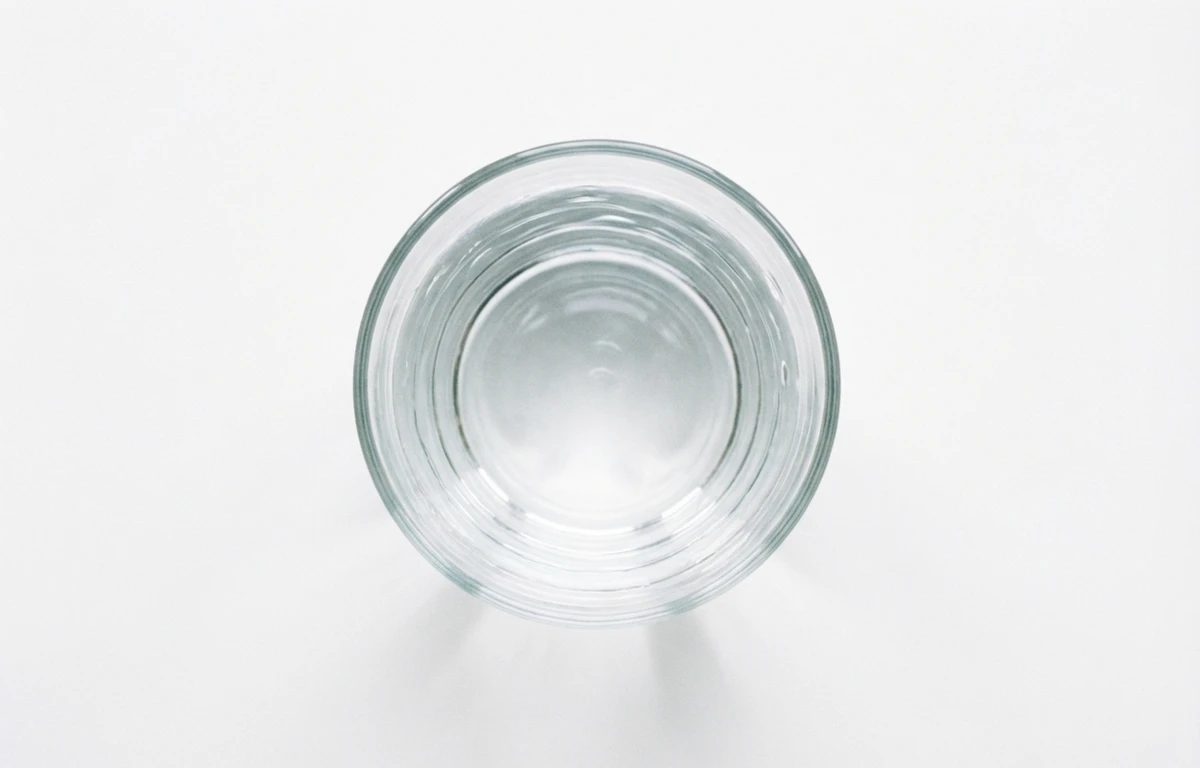
Cool Non-Chlorinated Water.
VegetarianVeganGluten-freeDairy-freeNut-freePeanut-freeSoy-freeEgg-freeShellfish-freeHoney-freeAlcohol-free
SERVING
CALORIES
0
PROTEIN
0g
CARBS
0g
FAT
0g
FIBER
0g
NUTRITION PROFILE · per 100 g
Everything in this ingredient.
MACRONUTRIENTS
Calories0kcal—
Protein0g0%
Carbohydrates0g0%
Fiber0g0%
Sugar0g0%
Total fat0g0%
Saturated fat0g0%
Trans fat0g—
Cholesterol0mg0%
Water100g—
MINERALS
Sodium0mg0%
Potassium0mg0%
Calcium0mg0%
Iron0mg0%
Magnesium0mg0%
Phosphorus0mg0%
Zinc0mg0%
Copper0mg0%
Manganese0mg0%
Selenium0µg0%
VITAMINS
Vitamin A0µg0%
Vitamin C0mg0%
Vitamin D0µg0%
Vitamin E0mg0%
Vitamin K0µg0%
Thiamin (B1)0mg0%
Riboflavin (B2)0mg0%
Niacin (B3)0mg0%
Pantothenic acid (B5)0mg0%
Vitamin B60mg0%
Folate (B9)0µg0%
Vitamin B120µg0%
%DV based on a 2,000 cal diet. Source: USDA FoodData Central. A dash in the %DV column means there’s no established Daily Value for that nutrient.
MEASUREMENT CONVERSIONS
How much is what.
1 cup0.4g
1 tablespoon6.7g
1 teaspoon20g
1 oz3.4g
1 lb0.2g
1 ml100g
1 liter0.1g
HEALTH BENEFITS
Why eat it.
- ✓Essential for hydration and maintaining bodily functions
- ✓Helps regulate body temperature
- ✓Aids in nutrient transport and waste removal
- ✓Lubricates joints and protects tissues
- ✓Supports overall metabolic processes
COOKING TIPS
In the kitchen.
- 1Use as a base for soups, stews, and broths.
- 2Essential for boiling pasta, rice, and vegetables.
- 3Can be used to dilute sauces, gravies, and beverages.
STORAGE
Keep it fresh.
- Store in a clean, sealed container to prevent contamination.
- Keep in a cool, dark place or at room temperature.
- Avoid direct sunlight to prevent algae growth if stored long-term.
FAQ
Frequently asked questions.
Is cool non-chlorinated water healthy?
Yes, it is essential for health as it provides pure hydration without the chemical taste or potential byproducts of chlorine. It supports vital functions such as temperature regulation, nutrient transport, and waste removal from the body.
Does non-chlorinated water contain any calories or nutrients?
No, this water contains 0 calories, 0g of protein, 0g of carbohydrates, and 0g of fat. While it lacks macronutrients, it is the most efficient medium for transporting nutrients to your cells.
Is non-chlorinated water keto-friendly and vegan?
Yes, it is both keto-friendly and vegan. Since it contains no carbohydrates, sugars, or animal-derived ingredients, it is suitable for every dietary lifestyle, including paleo and gluten-free diets.
Why is non-chlorinated water preferred for baking bread?
Chlorine can inhibit or kill the natural yeast and beneficial bacteria found in sourdough starters and commercial yeast. Using non-chlorinated water ensures a more active fermentation process and a better rise in your dough.
How does non-chlorinated water affect the taste of coffee and tea?
Because it lacks the chemical odor and flavor of chlorine, this water allows the delicate notes of coffee beans and tea leaves to shine. It results in a cleaner, more balanced beverage with no chemical aftertaste.
Can I use non-chlorinated water for fermenting vegetables?
It is highly recommended for fermentation projects like sauerkraut or pickles. Chlorine can interfere with the growth of healthy lactic acid bacteria, so using non-chlorinated water helps ensure a successful and safe fermentation.
How should I store non-chlorinated water?
Store it in a clean, food-grade container, preferably made of glass or BPA-free plastic, in a cool, dark place. Keep the container tightly sealed to prevent the water from absorbing odors or airborne contaminants.
Does non-chlorinated water expire?
While water itself does not expire, it can lose its freshness or become contaminated if stored improperly. For the best quality, rotate your stored water every 6 to 12 months and ensure the storage containers remain sealed.
Is cool water better for hydration than room temperature water?
Cool water is often absorbed slightly faster by the body and can help lower your core temperature during exercise. However, the most important factor for health is the total volume of water consumed rather than the specific temperature.
How can I tell if my non-chlorinated water has gone bad?
Check for any unusual odors, cloudiness, or the presence of algae or sediment. If the water has a 'swampy' or sour smell, it may have been contaminated by bacteria and should not be consumed.
RECIPES
Cook with cool non-chlorinated water.
1 recipes · sorted by what’s quick