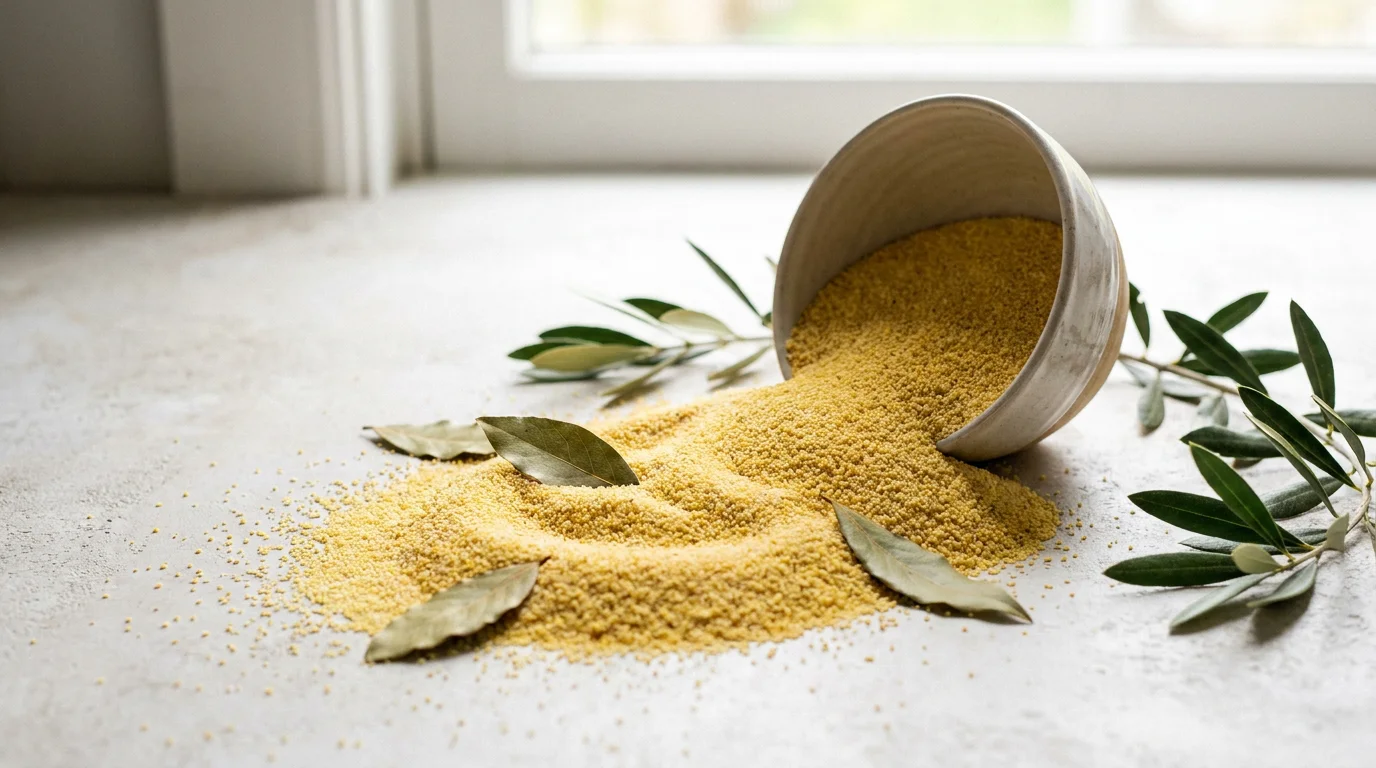
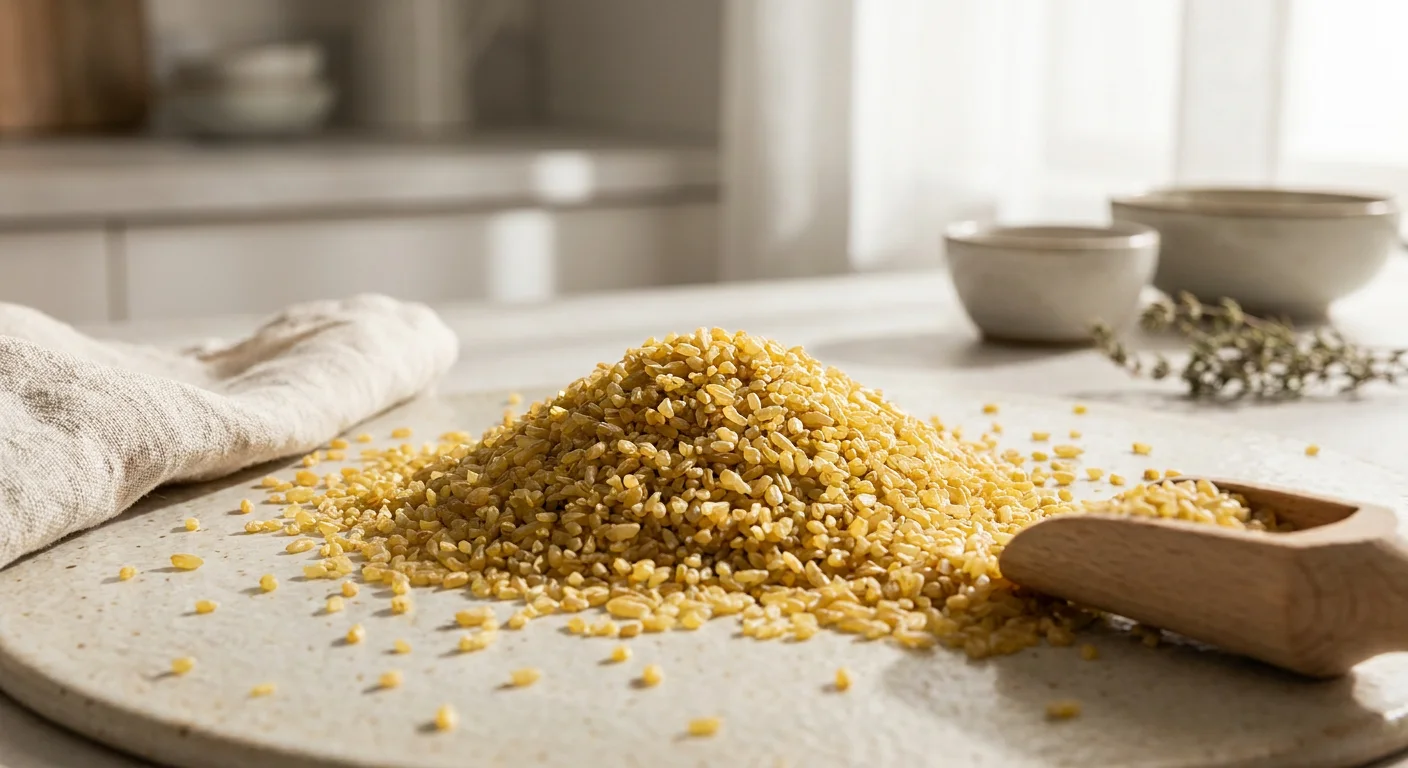
Let's be honest: whole wheat flour can feel like a compromise. We know it's better for us, but we worry our baking will turn out heavy, dense, and a little... worthy. But when you understand what it is — the entire wheat kernel, bran, germ and all — and how to work with it, it's not a compromise at all. It's an upgrade in flavor, texture, and nutrition that white flour just can't match.
↑ Whole wheat flour contains the bran and germ, giving it its color, fiber, and robust flavor.
The whole-kernel difference
When you see 'whole wheat' on a label, it means the flour was milled using the entire wheat kernel: the fiber-rich outer bran, the nutrient-packed germ, and the starchy endosperm. White all-purpose flour, by contrast, is just the endosperm. It's softer, lighter, and has a longer shelf life, but it's been stripped of most of its fiber, protein, vitamins, and minerals.
That's the trade. With whole wheat, you're getting a ton more nutrition and a robust, nutty flavor. The catch is that all that bran and germ gets in the way of gluten development, which is why 100% whole wheat breads can be dense. The trick isn't to avoid it, but to learn its rules.
IN ONE LINE
Whole wheat flour keeps the bran and germ that white flour discards, giving you more fiber, protein, and a nuttier taste. The key is learning how to bake with its unique texture.
Whole wheat flour nutrition facts
Here’s the nutritional profile for a 100-gram serving, which is about 3/4 of a cup.
The numbers that jump out are the fiber and protein. At over 10 grams of fiber and 13 grams of protein, whole wheat flour is significantly more satiating than its refined counterpart. This combination of fiber and protein is what gives whole grains their staying power, helping to keep you full and your energy levels stable.
Don't just swap 1:1 for white flour in a recipe. The bran in whole wheat absorbs more water, so you'll likely need to increase the liquid (water, milk) by a tablespoon or two to avoid dry results.
Whole wheat flour's glycemic index
Glycemic index (GI) tells us how quickly a food raises blood sugar. Since we don't eat flour raw, we look at the GI of products made from it, like bread. 100% whole wheat bread typically has a GI in the medium range (around 55-69), which is noticeably lower than white bread's high GI (around 75). The fiber is the hero here; it acts like a brake, slowing down the digestion and absorption of the carbohydrates. This means a more gradual, sustained release of energy, not a sharp spike and crash.
GLYCEMIC INDEX · WHOLE WHEAT vs COMMON FOODS
Whole wheat flour sits in the medium-GI band
Apple
whole fruit
LOW
Mango
whole fruit
LOW
Whole Wheat Bread
proxy for flour
MEDIUM
White Bread
refined
HIGH
Cornflakes
refined
HIGH
SCALE 0–90
04590
How to bake smarter with it
Ready to move past hockey-puck loaves? A few simple techniques make all the difference.
01
Start by blending.
Don't go all-in at first. Substitute 25% to 50% of the white flour in a recipe with whole wheat. This gives you a nutritional boost with a minimal change in texture.
02
Add extra liquid.
The bran in whole wheat is thirsty. You'll usually need about 1-2 extra tablespoons of liquid for every cup of whole wheat flour you use.
03
Give it a rest.
Let your dough or batter sit for 20-30 minutes after mixing. This gives the flour time to fully hydrate, resulting in a softer, moister final product. This is called an 'autolyse' in bread making.
04
Use it where it shines.
Whole wheat's nutty, robust flavor is fantastic in things that are meant to be hearty: rustic breads, banana bread, muffins, pancakes, and carrot cake.
What whole wheat flour is good for
01
A true gut health hero
The 10.7g of fiber per 100g includes prebiotics that feed your beneficial gut bacteria, which is linked to better digestion and overall health.
10.7g
fiber
02
Keeps you feeling full
The powerful combination of high fiber and high protein is incredibly satiating, helping you manage hunger and reduce overall calorie intake.
13.3g
protein
03
Supports heart health
Diets rich in whole grains like whole wheat are consistently linked to a lower risk of heart disease, thanks to their fiber and nutrient content.
whole
grain
04
Provides steady, lasting energy
As a complex carbohydrate with a medium GI, it provides a slower, more sustained release of energy than refined grains, preventing energy slumps.
Med
GI
Flavor & texture pairings
Whole wheat's assertive flavor and texture play well with others. Think about ingredients that either complement its nuttiness or soften its texture.
Bake freely — or be mindful?
Three ways to use it
Here are three simple recipes that play to whole wheat flour's strengths: flavor, heartiness, and nutrition.


Want more whole grains worked into a balanced week — without the planning?
Our meal planner incorporates ingredients like whole wheat for steady energy, with portions and macros already calculated and a single grocery list at the end.
Build my weekly plan →SOURCES & REFERENCES · 3
One more thing
Eating well is rarely about willpower. It’s about having a short list of dinners you actually want to eat. Pick two from this list. Make them next week. The rest will follow.
If you want these on autopilot, our weekly meal planner can drop the picks above into your calendar with one click and build a single grocery list from the merged ingredients.
FREQUENTLY ASKED QUESTIONS
Frequently asked questions
Is whole wheat flour good for people with diabetes?
It can be a good choice in moderation. Its high fiber content leads to a lower glycemic impact than white flour. However, it's still a significant source of carbohydrates, so portion control is essential. Always consult with your doctor or dietitian.
Can I substitute whole wheat flour 1:1 for all-purpose flour?
It's not recommended, especially in delicate recipes. Whole wheat flour absorbs more liquid and can make baked goods dense. A good rule of thumb is to start by replacing 25-50% of the white flour with whole wheat and see how you like the result.
Is whole wheat flour gluten-free?
No, absolutely not. Whole wheat flour is made from wheat, which is one of the primary sources of gluten. People with celiac disease or a gluten sensitivity must avoid it completely.
My whole wheat bread is always so heavy. What am I doing wrong?
This is a common problem! The main culprits are usually not adding enough liquid or not letting the dough rest long enough for the flour to hydrate. Also, using a blend of whole wheat and white bread flour can give you a much lighter loaf with many of the same benefits.
METHODOLOGY
How this article was created
Built using verified nutrition databases, culinary research, and traditional cooking knowledge — every claim is cross-referenced against the sources listed in the article.
· USDA data· Culinary research· Quality reviewed
Read our methodology →TRANSPARENCY
About this content
Articles are curated using trusted food databases (USDA FoodData Central, IFCT), culinary literature, and dietary guidelines, then structured by our editorial team for clarity, accuracy, and usefulness.
· Verified data sources· Culinary research· Quality reviewed
Read our editorial policy →RELATED RECIPES
Cook from this article
EXPLORE OUR MEALS
Meals that fit this article

AMERICAN · 1677 CAL
Almonds with Sliced Apple + supplement + iron

MEDITERRANEAN · 809 CAL
Greek Yogurt with Berries Almonds and Granola + supplement + iron

GENERAL_HEALTHY · 705 CAL
Banana with Peanut Butter Pregnancy + supplement + iron

MODERN · 982 CAL
Hummus with Crudits and Pita with Fresh Orange Snack + supplement + iron
TAGGED
KEEP READING