Beef gets a really tough rap. It's often the first thing people cut when they're trying to eat 'healthier', and while there are real conversations to be had about saturated fat and portion sizes, let's be clear: a piece of quality beef is one of the most efficient ways to get protein, iron, and vitamin B12 on your plate. The secret isn't to banish beef, but to be smart about it. Think lean cuts, sensible portions, and lots of colourful vegetables on the side.
↑ The key is the cut and the portion — lean beef is a nutrient-dense food.
More than just protein
In the world of nutrition, beef is a controversial character. One camp champions it as a superior source of strength-building protein and essential nutrients, while the other points to studies linking high red meat consumption with health problems. So, what's the real story?
As with most things in nutrition, the truth is in the details. The cut of beef, the way it's cooked, and how much you eat are what really matter. A small, lean sirloin steak paired with a giant salad is a world away from a daily double bacon cheeseburger. Beef is a tool in your nutritional toolkit; you just have to know how to use it right.
IN ONE LINE
Beef is a top-tier source of protein, heme iron, and vitamin B12. The key to enjoying it healthily is choosing lean cuts, managing portions, and limiting processed versions.
Beef nutrition facts
Here’s the nutritional profile for a 100-gram (about 3.5 ounces) serving of 85% lean ground beef, cooked. This is a pretty standard reference point.
What about the fat?
You can't talk about beef without talking about fat. That 15.4 grams of fat in our 100g serving is a mix of types, but a significant portion is saturated fat. This is the main reason health authorities recommend limiting red meat. A high intake of saturated fat is linked to higher levels of LDL ('bad') cholesterol.
But here's the good news: you have a lot of control. Choosing leaner cuts like sirloin, tenderloin, or 90%+ lean ground beef dramatically reduces the fat content. A 100g serving of 95% lean ground beef, for instance, has only about 140 calories and 5 grams of fat. It's a completely different food, nutritionally speaking.
Processed beef products like sausages, bacon, and deli meats are often very high in both saturated fat and sodium. It's best to treat these as occasional foods, not daily staples.
Beef's glycemic index
This part is simple. The glycemic index (GI) measures how much a carbohydrate-containing food raises blood sugar. Since beef contains zero carbohydrates, it has a glycemic index of 0. It simply doesn't affect your blood sugar levels, which is why it's a cornerstone of low-carb and ketogenic diets. When you eat beef, you get steady energy from protein and fat without any sugar spike or crash.
GLYCEMIC INDEX · BEEF vs COMMON FOODS
Beef has no effect on blood sugar
Beef
no carbs
LOW
Apple
whole fruit
LOW
Pineapple
whole fruit
MEDIUM
White bread
refined
HIGH
Cornflakes
refined
HIGH
SCALE 0–90
04590
The smart way to eat it
Enjoying beef as part of a healthy diet is all about making a few conscious choices.
01
Choose lean cuts.
Look for 'loin' or 'round' in the name (sirloin, tenderloin, eye of round) or pick ground beef that's at least 90% lean.
02
Watch your portion.
A healthy portion is about the size of your palm, or 100-120 grams (3-4 ounces), cooked. Most restaurant steaks are two or three times that.
03
Fill the rest of the plate with plants.
Make beef a component of your meal, not the entire focus. A huge salad or a pile of roasted vegetables should take up at least half your plate.
04
Cook it gently.
Grilling, roasting, and stir-frying are better than deep-frying. Avoid charring the meat, as this can create harmful compounds.
05
Limit processed versions.
Enjoy bacon, jerky, and deli meats sparingly. The main event should be fresh, unprocessed beef.
What beef is good for
01
Building and maintaining muscle
Beef provides high-quality 'complete' protein with all the essential amino acids your body needs for muscle repair and growth.
26g
protein
02
Fighting fatigue and anemia
It's one of the best sources of heme iron, the type that's most easily absorbed by your body, crucial for carrying oxygen in the blood.
15%
iron DV
03
Supporting nerve function
Beef is loaded with vitamin B12, a nutrient found almost exclusively in animal foods that's vital for healthy nerves and red blood cells.
108%
B12 DV
04
Boosting your immune system
A single serving delivers a huge dose of zinc, an essential mineral for immune cell function and wound healing.
48%
zinc DV
What to pair beef with
Pairing beef smartly can enhance its nutritional benefits and create a more balanced meal.
Eat freely — or be mindful?
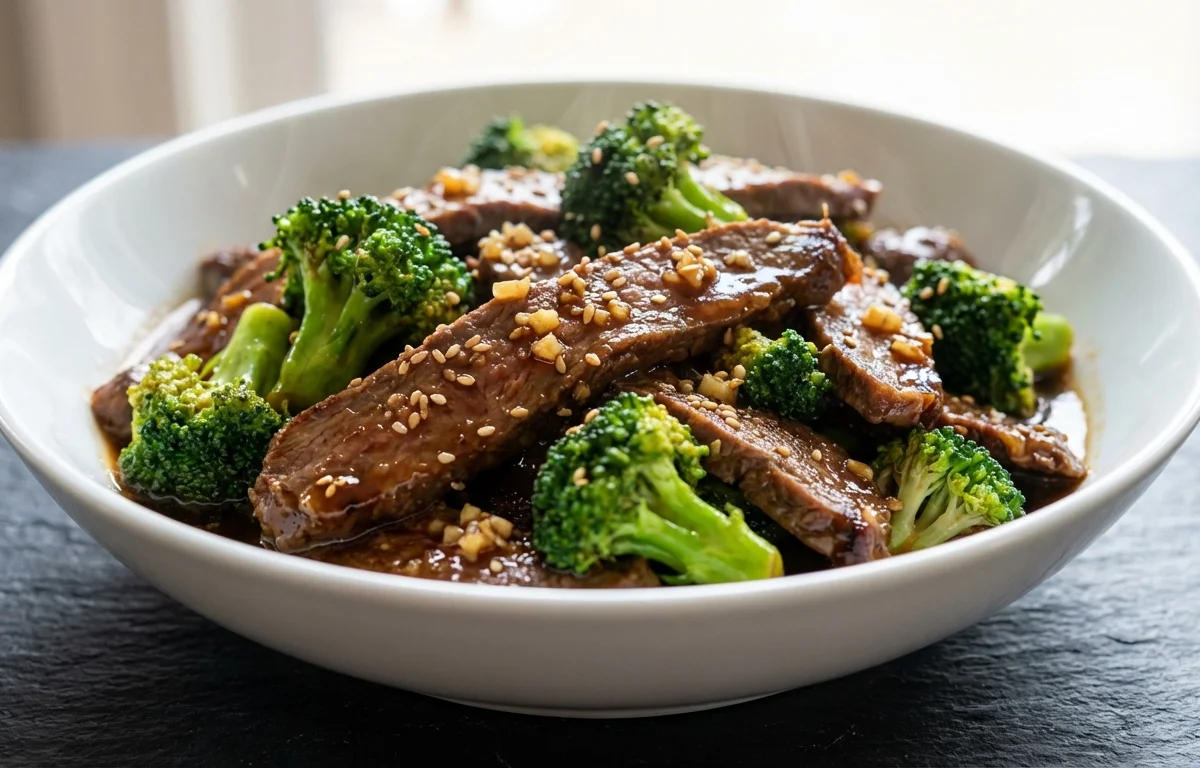
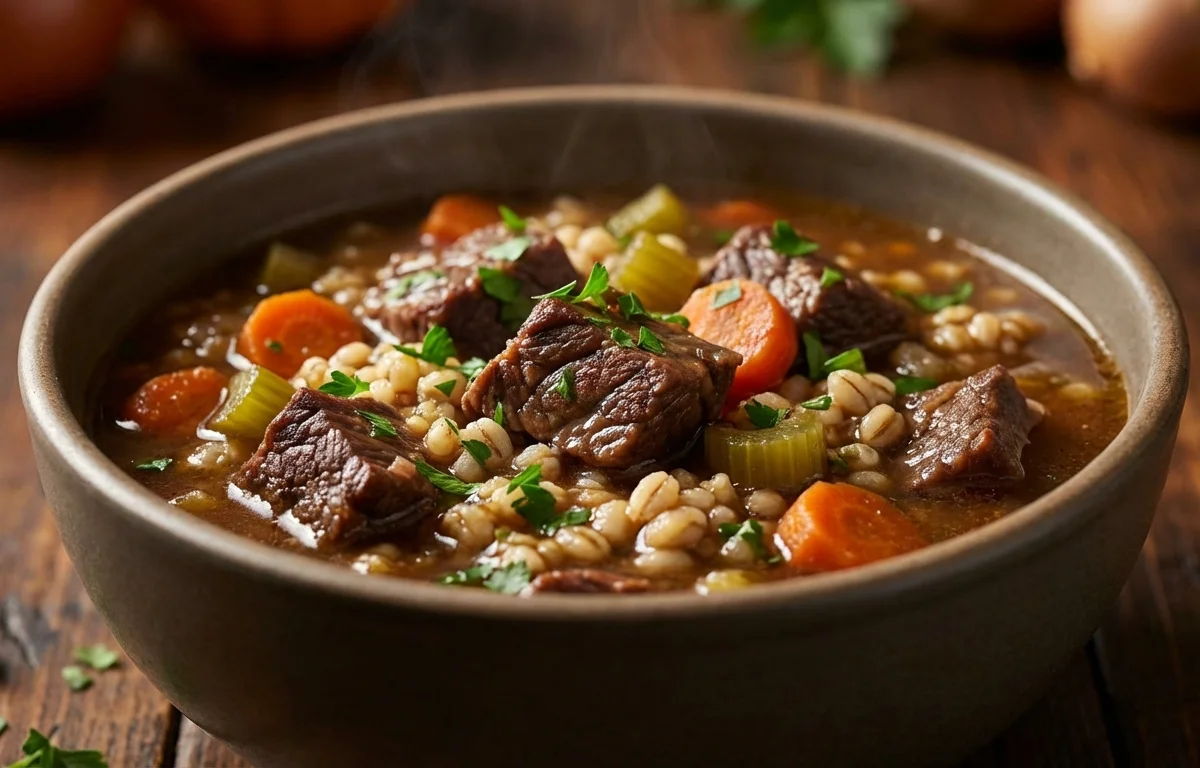
Three ways to cook it
Three simple recipes that use lean beef and pack in the flavor and nutrients.
Want high-protein meals worked into a balanced week?
Our meal planner can build a weekly menu that includes lean protein like beef in the right portions, paired with fiber-rich sides for a healthy, balanced diet — with a single grocery list to make it easy.
Build my weekly plan →One more thing
Eating well is rarely about willpower. It’s about having a short list of dinners you actually want to eat. Pick two from this list. Make them next week. The rest will follow.
If you want these on autopilot, our weekly meal planner can drop the picks above into your calendar with one click and build a single grocery list from the merged ingredients.
FREQUENTLY ASKED QUESTIONS
Frequently asked questions
Is red meat bad for you?
It's not that simple. High consumption of processed red meat is linked to health risks. However, unprocessed, lean red meat eaten in moderation (e.g., a few times a week) can be part of a very healthy diet, providing essential nutrients like iron and B12.
How much beef is okay to eat per week?
Many health organizations, like the World Cancer Research Fund, recommend limiting cooked red meat to no more than about three portions per week, which totals around 350–500g (12–18oz). It's about moderation, not elimination.
Is grass-fed beef healthier?
Grass-fed beef tends to be slightly leaner and has a better fat profile, with more omega-3 fatty acids and CLA. It's also often higher in certain antioxidants. While it can be a better choice, the biggest factors for health are still the cut (lean vs. fatty) and the portion size.
Can beef be part of a heart-healthy diet?
Yes, if you're careful. Choose the leanest cuts, keep portions small, trim any visible fat, and pair it with plenty of vegetables, whole grains, and healthy fats. It's about the overall dietary pattern.
METHODOLOGY
How this article was created
Built using verified nutrition databases, culinary research, and traditional cooking knowledge — every claim is cross-referenced against the sources listed in the article.
· USDA data· Culinary research· Quality reviewed
Read our methodology →TRANSPARENCY
About this content
Articles are curated using trusted food databases (USDA FoodData Central, IFCT), culinary literature, and dietary guidelines, then structured by our editorial team for clarity, accuracy, and usefulness.
· Verified data sources· Culinary research· Quality reviewed
Read our editorial policy →RELATED RECIPES
Cook from this article
EXPLORE OUR MEALS
Meals that fit this article

AMERICAN · 1677 CAL
Almonds with Sliced Apple + supplement + iron

MEDITERRANEAN · 809 CAL
Greek Yogurt with Berries Almonds and Granola + supplement + iron

GENERAL_HEALTHY · 705 CAL
Banana with Peanut Butter Pregnancy + supplement + iron

MODERN · 982 CAL
Hummus with Crudits and Pita with Fresh Orange Snack + supplement + iron
TAGGED
KEEP READING