White rice is probably the most unfairly demonized food on the planet. It gets blamed for everything from weight gain to blood sugar spikes, often by people who forget that billions eat it daily without issue. The truth is, white rice isn't a villain. It's a blank canvas. It's a fast-digesting carb, yes, but how you eat it — the portion, and what you eat it with — changes everything.
↑ White rice isn't the enemy — it's all about portion and pairings.
The ultimate blank canvas
Let's be clear: white rice is a refined carbohydrate. The bran and germ have been milled away, taking with them most of the fiber, vitamins, and minerals. What's left is the starchy endosperm. This is why it gets a bad rap. It's seen as 'empty calories'.
But that processing is also its strength. It makes white rice incredibly easy to digest, a reliable source of quick energy, and a neutral base for a thousand different flavors. It's not meant to be a meal on its own. It's a component. Thinking of it as an ingredient, rather than the star of the show, is the key.
IN ONE LINE
White rice is a fast-digesting, high-GI carbohydrate. The secret isn't to avoid it, but to control the portion and always pair it with protein, fat, and vegetables.
White rice nutrition facts
The numbers below are for 100 grams of uncooked, long-grain white rice. This is a large amount that cooks up to about 2.5-3 cups, so don't mistake these numbers for a single, small serving. A typical side portion is about half a cup of cooked rice.
As you can see, it's almost entirely carbohydrate with a little protein. The fiber content is very low. Many brands in countries like the US are enriched, meaning B vitamins (like thiamin and folate) and iron are added back after milling, which does boost its nutritional value.
White rice's glycemic index
This is where the controversy lives. The glycemic index (GI) ranks foods on how quickly they raise blood sugar. White rice consistently ranks as a high-GI food, typically with a value over 70 (where pure glucose is 100). This means it's digested and absorbed quickly, providing a rapid rise in blood sugar.
For an athlete needing to refuel, that's a feature. For someone managing diabetes or their weight, it can be a bug. But a food's GI isn't the whole story. Eating rice with chicken (protein), avocado (fat), and broccoli (fiber) will produce a much gentler blood sugar response than eating a bowl of plain rice on its own.
GLYCEMIC INDEX · WHITE RICE vs COMMON FOODS
White rice is a high-glycemic food
Apple
whole fruit
LOW
Pineapple
whole fruit
MEDIUM
White Rice
refined grain
HIGH
White bread
refined grain
HIGH
Cornflakes
refined cereal
HIGH
SCALE 0–90
04590
The smart way to eat it
You don't have to give up rice. Just be strategic.
01
Watch the portion.
This is number one for a reason. Use a measuring cup. A typical serving is ½ to 1 cup cooked, not a mountain piled on the plate.
02
Always add protein and fat.
Never eat rice alone. Add chicken, fish, beans, tofu, or a drizzle of olive oil. These slow down digestion and flatten the blood sugar curve.
03
Bulk it up with vegetables.
Mixing in broccoli, spinach, or bell peppers adds fiber, nutrients, and volume, helping you feel full on a smaller portion of rice.
04
Let it cool.
Cooling cooked rice increases its resistant starch content. This type of starch acts more like fiber, feeding gut bacteria and having a gentler effect on blood sugar.
05
Choose your grain.
Long-grain rice like basmati tends to have a slightly lower GI than short-grain or sticky rice. It's not a huge difference, but every little bit helps.
What white rice is good for
01
Exceptionally easy digestion
With almost no fiber, white rice is gentle on the digestive system. It's a go-to food during illness, for people with IBS, or for gut rest.
1.3g
fiber/100g
02
Quick, accessible energy
Its high GI makes it ideal for athletes needing to quickly replenish glycogen stores after a hard workout. The energy is available fast.
80g
carbs/100g
03
A naturally hypoallergenic food
White rice is free from gluten, soy, dairy, and nuts, making it a safe and versatile carbohydrate base for people with common food allergies.
0%
gluten
04
A perfect flavor carrier
Its neutral taste doesn't compete with other ingredients. It soaks up the flavor of sauces, curries, and stir-fries, completing the meal.
Low
flavor profile
What to pair white rice with
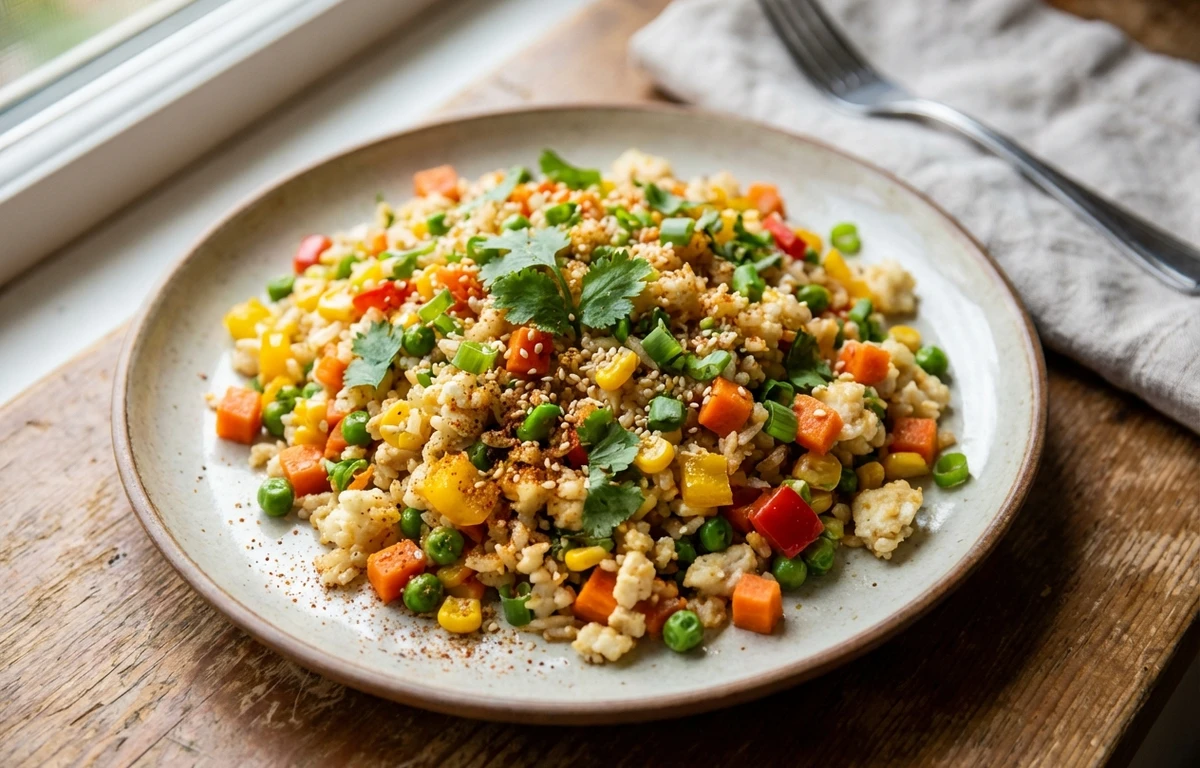
Think of rice as the foundation. The goal is to build a balanced meal on top of it by adding protein, healthy fats, and fiber-rich vegetables.
Eat freely — or be mindful?
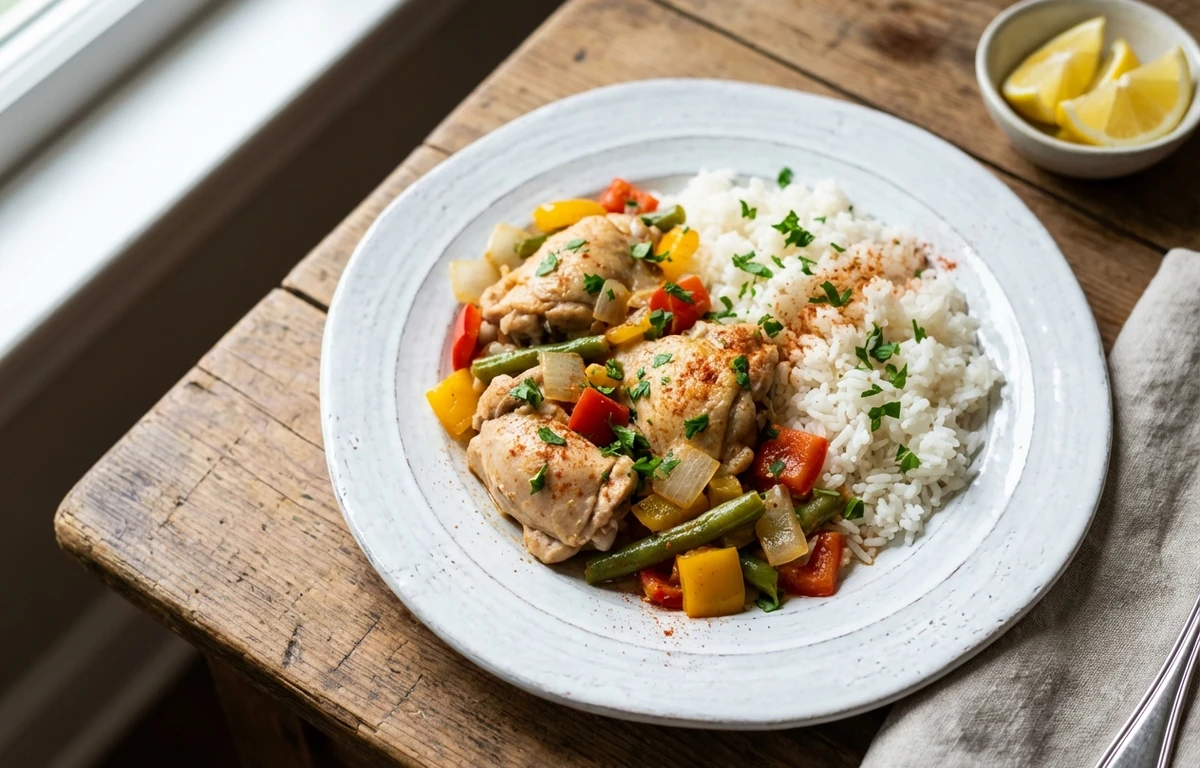
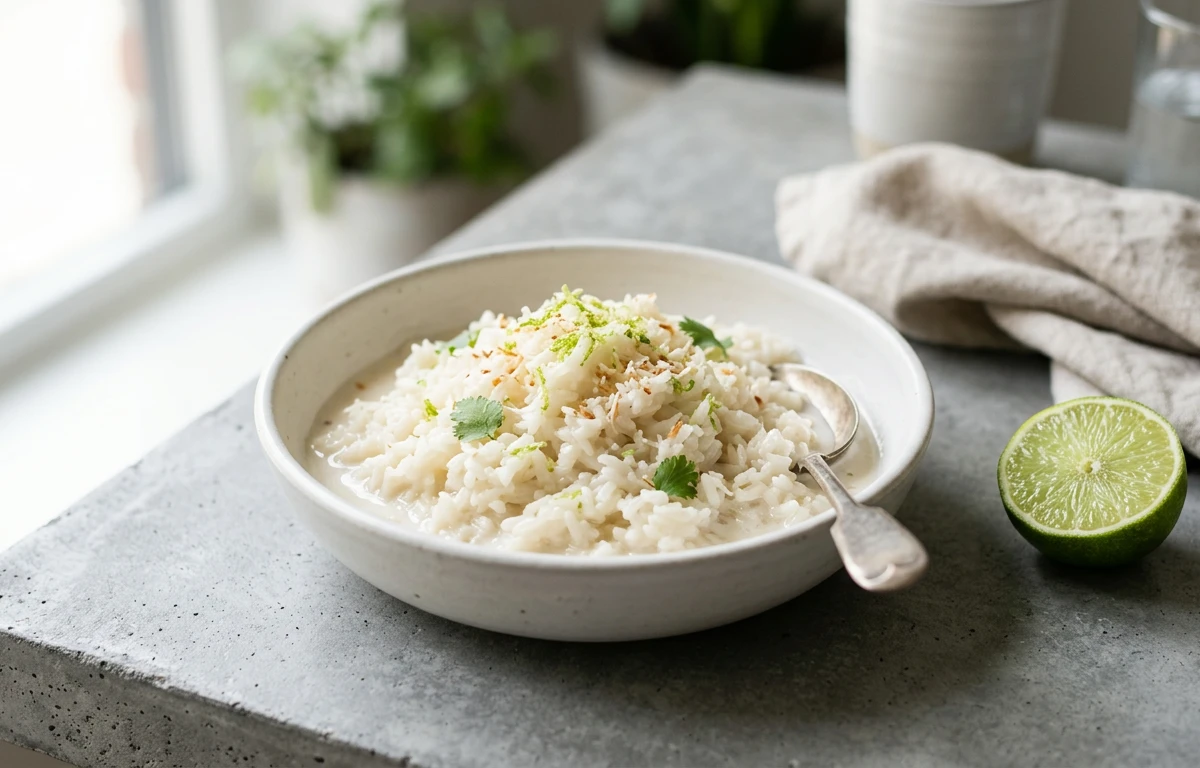
Three simple rice dishes
Here are three easy ways to build a better meal around white rice.
Want carbs like rice worked into a balanced week?
Our meal planner builds balanced days, pairing faster carbs like rice with the right amount of protein, fat, and fiber. Get your macros right without the guesswork.
Build my weekly plan →One more thing
Eating well is rarely about willpower. It’s about having a short list of dinners you actually want to eat. Pick two from this list. Make them next week. The rest will follow.
If you want these on autopilot, our weekly meal planner can drop the picks above into your calendar with one click and build a single grocery list from the merged ingredients.
FREQUENTLY ASKED QUESTIONS
Frequently asked questions
Is white rice bad for you?
No, not inherently. It's a low-fiber, high-carb food, so context matters. It can be problematic in large quantities for sedentary people or those with blood sugar issues. But for active people, or as a small part of a balanced meal, it's perfectly fine.
Is brown rice healthier than white rice?
Brown rice has more fiber, magnesium, and other nutrients, and a lower glycemic index. For most people, it's the more nutritious choice. However, white rice is easier to digest, which can be better for people with certain gut conditions.
Does white rice cause belly fat?
No single food causes belly fat. Consistently eating more calories than you burn leads to fat gain. Because white rice is calorie-dense and low in fiber, it can be easy to overeat, which contributes to a calorie surplus. Portion control is the key.
What is the glycemic index of white rice?
It's high, generally over 70. The exact number can vary from the high 60s to the low 90s depending on the type of rice (e.g., basmati vs. sticky rice), how it's cooked, and what it's eaten with.

ABOUT THE AUTHOR
Shreya Chatterjee
NUTRITION WRITER
Shreya is a nutrition writer and the voice behind The Nutrition Pen, where she turns evidence-based nutrition into simple, repeatable eating habits. Her writing focuses on practical food guidance — what to actually put on the plate — for readers who want to eat well without the noise.
Meet the editorial team →METHODOLOGY
How this article was created
Built using verified nutrition databases, culinary research, and traditional cooking knowledge — every claim is cross-referenced against the sources listed in the article.
· USDA data· Culinary research· Quality reviewed
Read our methodology →TRANSPARENCY
About this content
Articles are curated using trusted food databases (USDA FoodData Central, IFCT), culinary literature, and dietary guidelines, then structured by our editorial team for clarity, accuracy, and usefulness.
· Verified data sources· Culinary research· Quality reviewed
Read our editorial policy →EXPLORE OUR MEALS
Meals that fit this article

AMERICAN · 1677 CAL
Almonds with Sliced Apple + supplement + iron

MEDITERRANEAN · 809 CAL
Greek Yogurt with Berries Almonds and Granola + supplement + iron

GENERAL_HEALTHY · 705 CAL
Banana with Peanut Butter Pregnancy + supplement + iron

MODERN · 982 CAL
Hummus with Crudits and Pita with Fresh Orange Snack + supplement + iron
TAGGED
KEEP READING