Let's clear one thing up first: the thick, creamy coconut milk in a can for your Thai curry is a totally different beast from the thin, watery stuff in a carton you'd add to a latte. They're both called 'coconut milk', but nutritionally, they live on different planets. We're talking about the classic, full-fat canned version here — the one that's mostly coconut and water, nothing else. It's rich, decadent, and a bit of a nutritional paradox.
↑ Full-fat, canned coconut milk is a world away from the thin, watery carton version.
Canned vs. Carton: Not the Same Thing
When we talk about coconut milk, we need to be specific. The rich, thick stuff in a can is made by simmering grated coconut flesh in water and pressing it. It's about 50% water, 50% coconut, and it's what gives curries and soups their incredible body. The 'coconut milk beverage' in a carton is a much more dilute product, often less than 10% coconut, fortified with vitamins, and containing emulsifiers to keep it stable. Its nutrition profile is closer to other plant milks. This article is about the original: full-fat, unsweetened, canned coconut milk.
IN ONE LINE
Full-fat canned coconut milk is a low-carb, high-fat food with a minimal blood sugar impact. Its healthiness hinges on the portion size and the ongoing debate about its specific type of saturated fat.
Coconut milk nutrition facts
Here’s the nutritional breakdown for a 100g serving of typical, full-fat, unsweetened canned coconut milk (about 1/2 cup).
So, what about all that fat?
Okay, let's not dance around it. 24 grams of fat (most of it saturated) per 100g serving is a lot. That's where all the creaminess and calories come from. But it's not quite the same fat you'd find in a slab of butter or fatty meat. A large portion of coconut's fat comes from medium-chain triglycerides (MCTs), particularly lauric acid. Your body metabolizes MCTs a bit differently, sending them more directly to the liver for energy. The research on whether this makes them 'healthier' than other saturated fats is complex and ongoing. Some studies suggest they may raise 'good' HDL cholesterol, but the jury is still out. The sensible takeaway? Treat it as a rich ingredient, not a health drink.
Don't confuse full-fat canned coconut milk with 'light' coconut milk, which is just diluted with more water. You can make your own 'light' version by simply using less of the full-fat stuff and adding water or broth.
Coconut milk's glycemic index
People sometimes ask about the glycemic index of coconut milk, but it's a bit like asking about the GI of olive oil. With only 5.5 grams of carbs per 100g — and over 2g of that being fiber — there just isn't enough sugar or starch here to cause any real blood sugar response. Its effect is minimal, which is why it's a staple in low-carb and ketogenic diets. It's incredibly low-GI by nature.
GLYCEMIC INDEX · COCONUT MILK vs COMMON FOODS
Coconut milk has a negligible GI
Coconut Milk
canned, unsweetened
LOW
Apple
whole fruit
LOW
Pineapple
whole fruit
MEDIUM
White bread
refined
HIGH
Cornflakes
refined
HIGH
SCALE 0–90
04590
How to use it well
A little coconut milk goes a long way. Here's how to get the most out of it.
01
Use it as an ingredient, not a base.
Think of it like heavy cream. A few tablespoons or a quarter-cup is often enough to enrich a whole pot of soup or curry for several people.
02
Always buy unsweetened.
Sweetened 'cream of coconut' is a cocktail ingredient, not a cooking staple. Check the label to make sure it's just coconut and water.
03
Watch the portion size.
Because it's so calorie-dense, it's easy to overdo it. Measure it out rather than free-pouring from the can.
04
Don't fear the solid part.
In the can, the thick coconut cream will separate and rise to the top. This is normal! You can skim it off for richness or stir the whole can together for a uniform consistency.
What coconut milk is good for
01
A rich source of low-carb energy
With almost no sugar and plenty of fat, coconut milk provides steady energy without the blood sugar rollercoaster, making it ideal for low-carb and keto diets.
24 g
fat per 100g
02
Excellent dairy-free alternative
For those with lactose intolerance or a dairy allergy, coconut milk provides the richness and creaminess of heavy cream in soups, sauces, and desserts.
0 g
lactose
03
Contains Medium-Chain Triglycerides (MCTs)
A significant portion of its fat is in the form of MCTs, which are metabolized more quickly for energy than other fats.
MCTs
fat source
What to pair coconut milk with
Coconut milk's rich, slightly sweet flavor profile makes it a natural partner for spicy, sour, and aromatic ingredients.
Use freely — or be mindful?
Three ways to use it
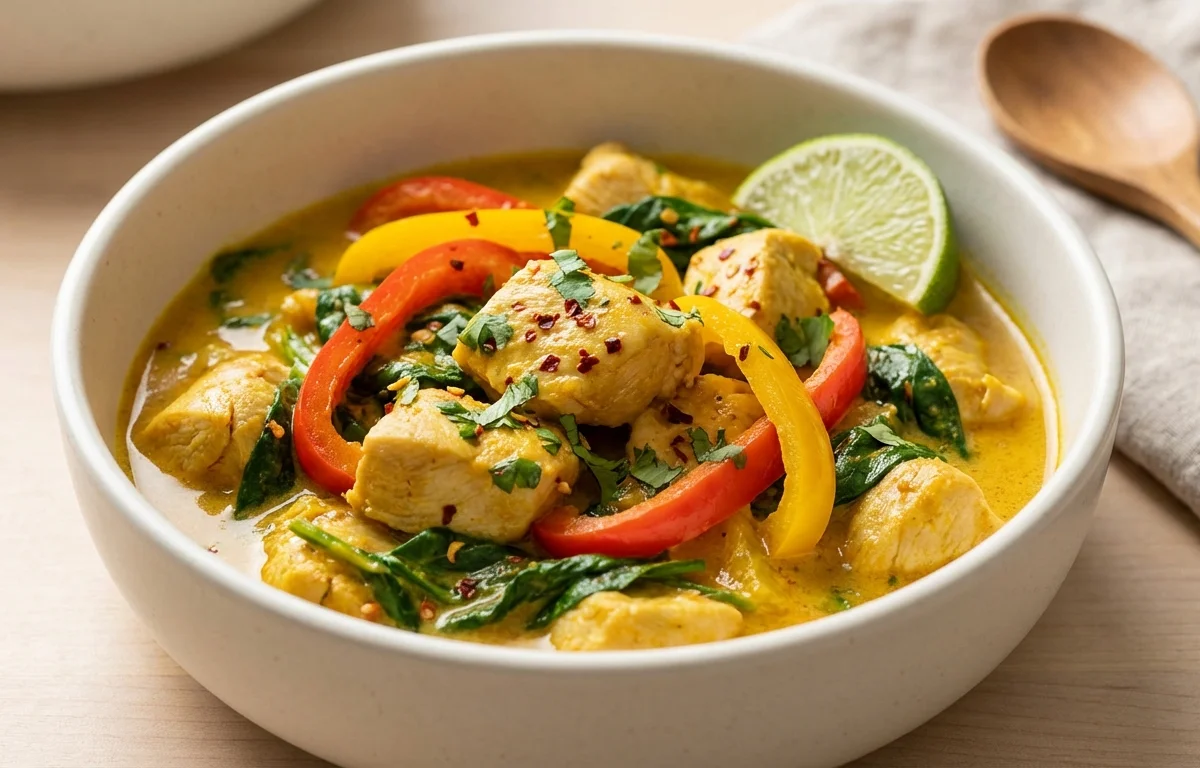
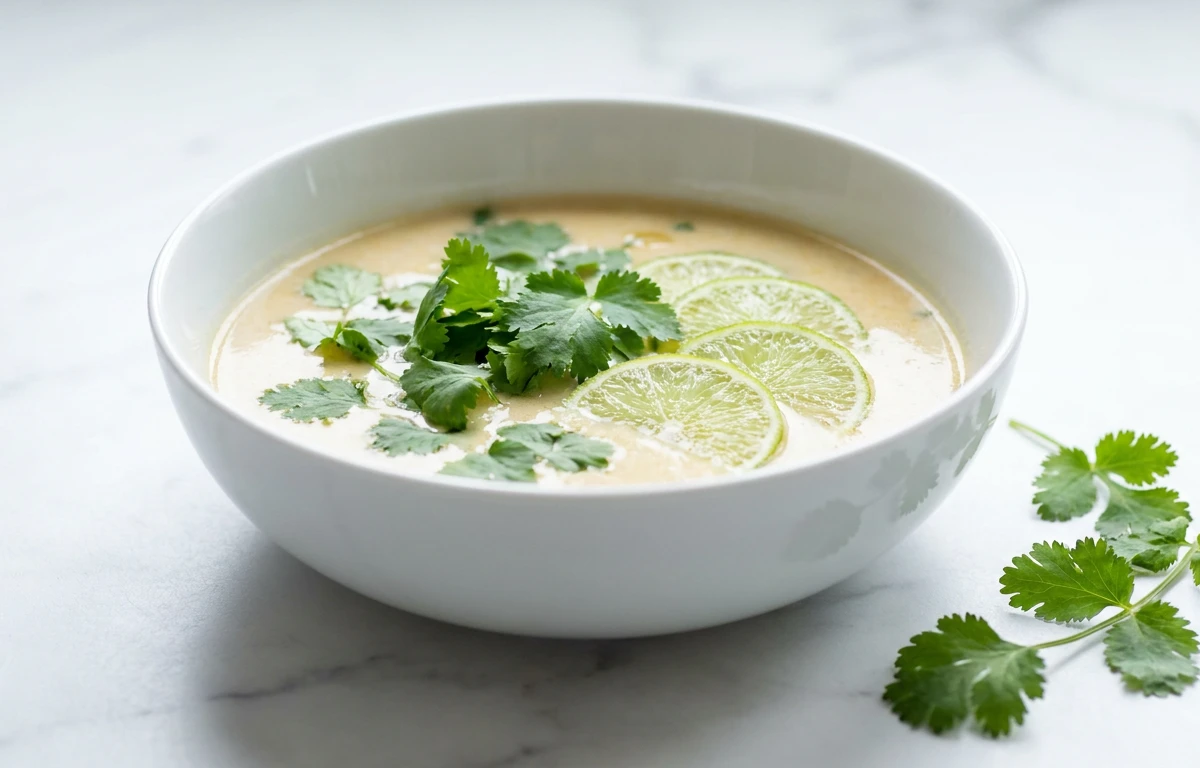
Three simple recipes that show how versatile canned coconut milk can be.

Want rich, satisfying meals without the guesswork?
Our meal planner can build a week of delicious, low-carb meals using ingredients like coconut milk, perfectly portioned to keep you full and your energy steady. Get your plan and a single grocery list in minutes.
Build my weekly plan →SOURCES & REFERENCES · 3
One more thing
Eating well is rarely about willpower. It’s about having a short list of dinners you actually want to eat. Pick two from this list. Make them next week. The rest will follow.
If you want these on autopilot, our weekly meal planner can drop the picks above into your calendar with one click and build a single grocery list from the merged ingredients.
FREQUENTLY ASKED QUESTIONS
Frequently asked questions
Is the saturated fat in coconut milk bad for you?
It's the big question. Coconut milk is high in saturated fat, but a large part is lauric acid, a medium-chain triglyceride (MCT). Research is evolving, but some studies suggest it may not affect cholesterol as negatively as saturated fats from animal sources. The general advice is to enjoy it in moderation within a balanced diet that includes various other healthy fats.
Can coconut milk help with weight loss?
It's a double-edged sword. The high fat content is very satiating, which can help you feel full and eat less overall. However, it is very calorie-dense (230 calories per 100g). The key is strict portion control. Use a few tablespoons to enrich a dish, don't drink it by the glass.
What's the difference between canned and carton coconut milk?
Canned coconut milk is thick, rich, and high in fat and calories; it's an ingredient for cooking. Carton coconut milk is a highly diluted beverage, low in fat and calories, designed to be drunk or used like other plant milks. They are not interchangeable in recipes.
Is coconut milk good for people with diabetes?
Yes, it can be an excellent choice. With very few carbohydrates, it has a minimal impact on blood sugar levels. It provides richness and flavor without adding sugar, making it a useful ingredient for managing blood glucose.
METHODOLOGY
How this article was created
Built using verified nutrition databases, culinary research, and traditional cooking knowledge — every claim is cross-referenced against the sources listed in the article.
· USDA data· Culinary research· Quality reviewed
Read our methodology →TRANSPARENCY
About this content
Articles are curated using trusted food databases (USDA FoodData Central, IFCT), culinary literature, and dietary guidelines, then structured by our editorial team for clarity, accuracy, and usefulness.
· Verified data sources· Culinary research· Quality reviewed
Read our editorial policy →RELATED RECIPES
Cook from this article
EXPLORE OUR MEALS
Meals that fit this article

INDIAN · 445 CAL
Soya Chunks Curry with Steamed Rice with Cucumber Salad

INDIAN · 59 CAL
Boiled Eggs with Cucumber Salad with Green Tea

INDIAN · 17 CAL
Boiled Eggs with Cucumber Salad with Black Coffee

INDIAN · 600 CAL
Grilled Chicken Breast with Steamed White Rice with Steamed Vegetables with Cucumber Salad
TAGGED
KEEP READING