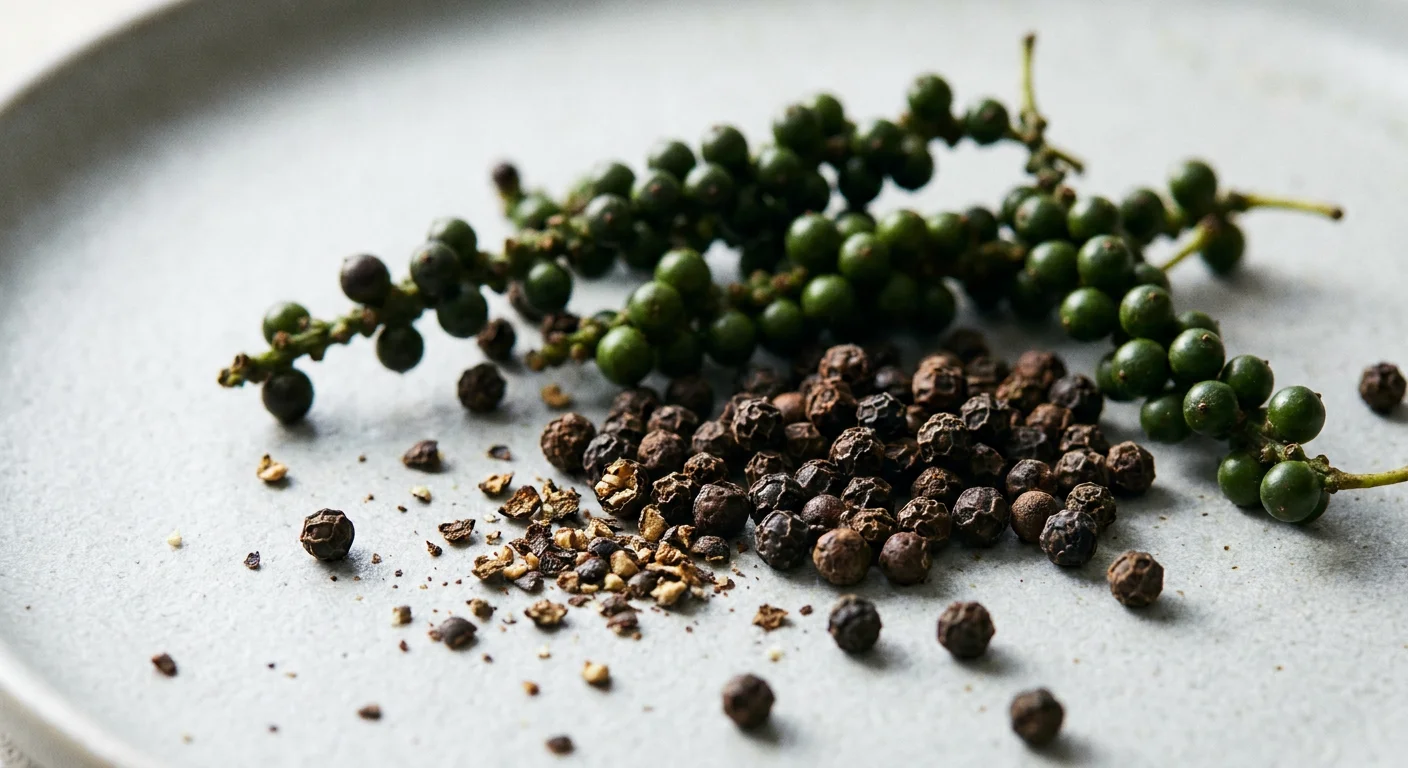
Let's be honest, mutton head isn't exactly a supermarket staple next to chicken breast. But for those willing to explore traditional, nose-to-tail eating, it's a cut that's deeply flavorful and surprisingly straightforward, nutritionally speaking. It's pure protein and fat. No carbs, no sugar, and therefore no impact on your blood sugar. The real story isn't about sugar, it's about the richness of the fat and the tenderness you can achieve with slow, patient cooking.
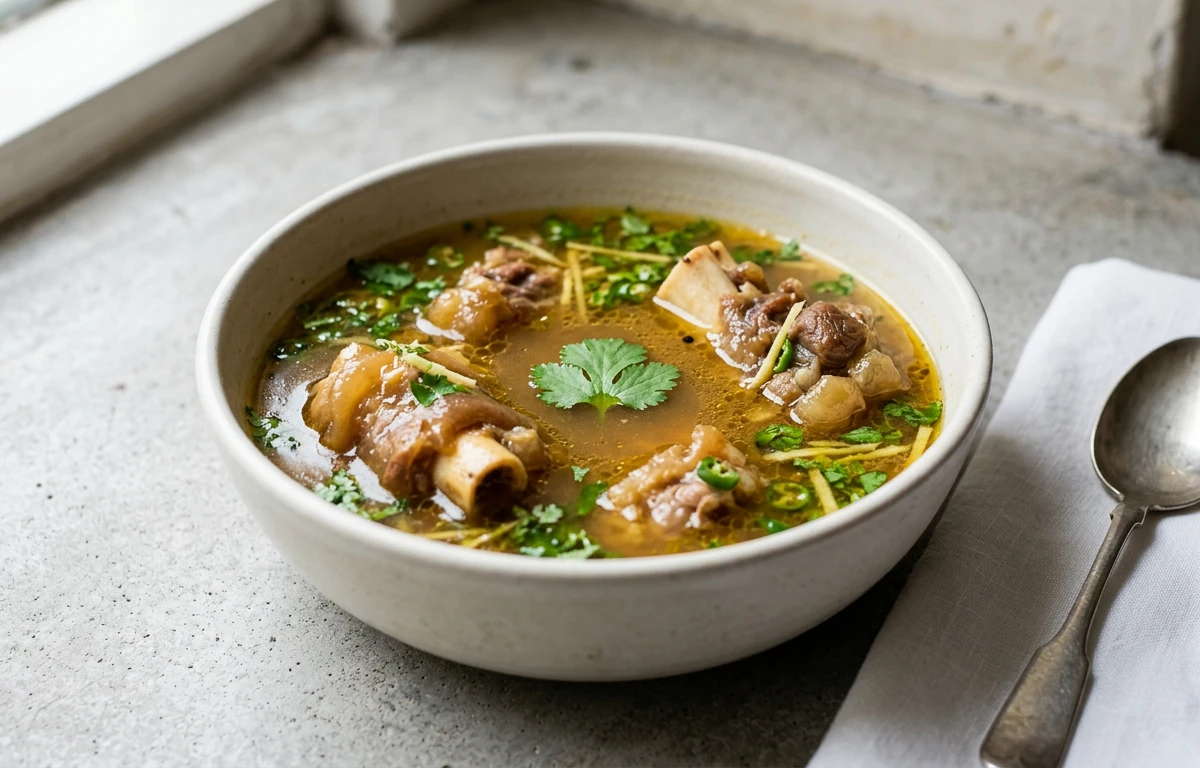
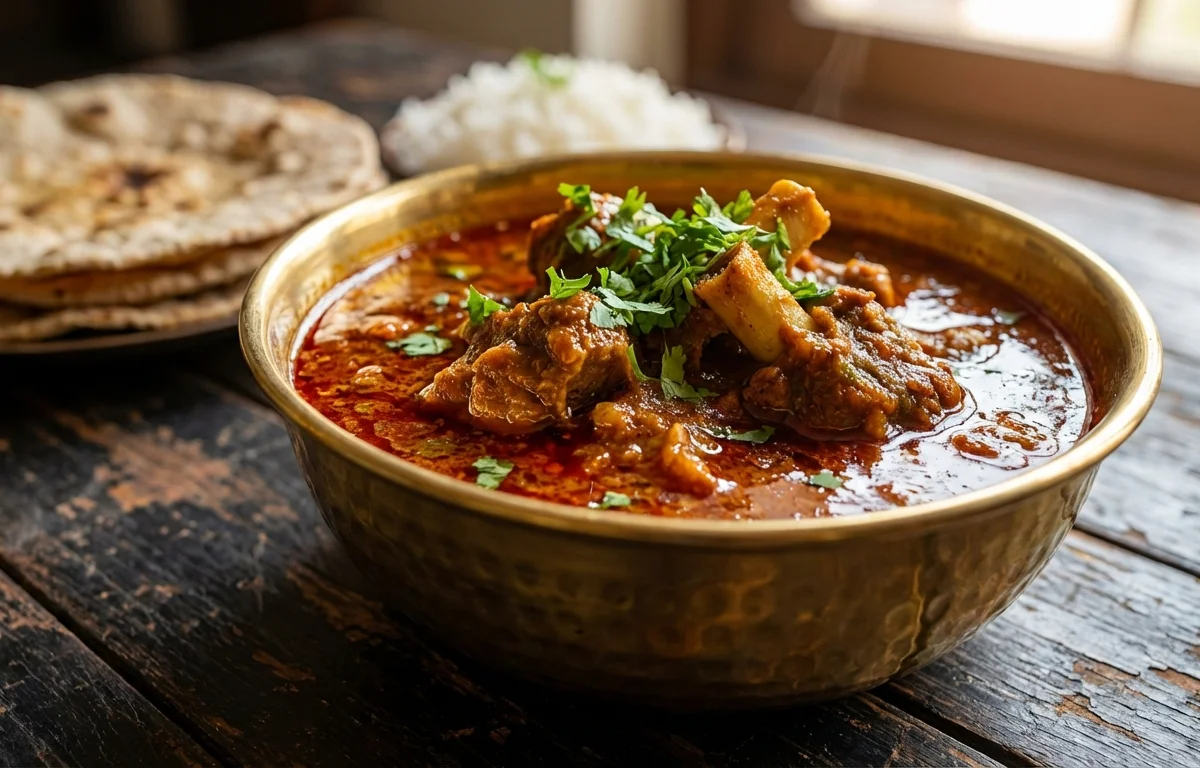
↑ Slow-cooking is the key to tender, flavorful meat.
A misunderstood traditional cut
Mutton head, often found in traditional cuisines from the Middle East to South Asia, is the definition of 'nose-to-tail' eating. It's not just muscle meat; it includes skin, connective tissue, and fat, all of which contribute to a rich flavor and unique texture when cooked properly. The idea of eating it might be new to some, but it's a deeply nourishing food that makes the most of the animal.
Its nutritional profile is simple: it’s all about protein and fat. This makes it a fantastic food for certain goals (like low-carb diets) and one to be mindful of for others (like low-fat diets). The key is slow cooking, which melts the collagen into gelatin and renders out some of the fat, creating a tender meat and a rich, savory broth.
IN ONE LINE
A zero-carb, high-protein traditional cut. Rich in flavor and fat, its healthiness depends entirely on portion control and how you cook it.
Mutton head nutrition facts
Here’s the nutritional breakdown for a typical 100-gram (about 3.5 ounces) serving of cooked mutton head. The exact numbers can vary based on the specific parts consumed and cooking method.
The two big numbers are protein and fat. The 18 grams of protein are high-quality and complete, essential for muscle and tissue repair. The 19 grams of fat provide a lot of flavor and energy, but also contribute to the high calorie count. This fat is a mix of saturated and unsaturated fats, so it's a cut to enjoy in moderation, especially if you're watching your intake for heart health.
The zero glycemic index of meat
Glycemic index (GI) measures how carbohydrates in food affect blood sugar. Since mutton head contains zero carbohydrates, it has a glycemic index of 0. It simply does not raise your blood sugar levels. This makes it an excellent choice for anyone managing blood sugar, whether for diabetes or on a ketogenic diet. The chart below shows how different carbohydrate-containing foods compare — mutton head sits firmly at the bottom with a GI of zero.
GLYCEMIC INDEX · CONTEXT
Mutton Head (GI 0) vs. Common Foods
Cherries
whole fruit
LOW
Apple
whole fruit
LOW
Pineapple
whole fruit
MEDIUM
White bread
refined
HIGH
Cornflakes
refined
HIGH
SCALE 0–90
04590
How to cook & eat it right
You can't just pan-fry a mutton head. It requires a gentle, slow approach to become delicious.
01
Cook it low and slow.
Braising, stewing, or pressure cooking for several hours is essential. This breaks down tough connective tissue into luscious gelatin and makes the meat fall-off-the-bone tender.
02
Skim the fat.
As it cooks, a lot of fat will render out and rise to the top. Skimming this off can significantly reduce the final fat and calorie content of your dish.
03
Use bold spices.
Mutton has a strong, rich flavor that stands up well to robust spices like cumin, coriander, turmeric, cloves, and chilli. Don't be shy.
04
Pair with fiber and acid.
Serve the rich meat with vegetables, a fresh salad, or a squeeze of lemon or lime. This balances the richness and adds nutrients the meat lacks.
05
Watch the portion.
Because it's calorie-dense, a 100-150g portion of the meat is plenty for one person, especially when served as part of a larger meal.
What mutton head is good for
01
Excellent for keto diets
With zero carbs and high fat content, mutton head is perfectly suited for a ketogenic lifestyle, providing energy without kicking you out of ketosis.
0 g
carbs
02
Rich in high-quality protein
The 18g of protein per serving supports muscle maintenance, satiety, and overall body function. It keeps you feeling full for longer.
18 g
protein
03
A natural source of collagen
The slow cooking process breaks down skin and connective tissues into gelatin, a cooked form of collagen that's great for joint, skin, and gut health.
Rich
in gelatin
04
Zero blood sugar impact
As a pure protein-and-fat source, it has a glycemic index of zero, making it a safe and satisfying food for people with diabetes.
GI 0
zero spike
What to pair it with
The richness of mutton head calls for fresh, fibrous, or acidic partners to create a balanced meal.
Eat freely — or be mindful?
Three ways to cook it
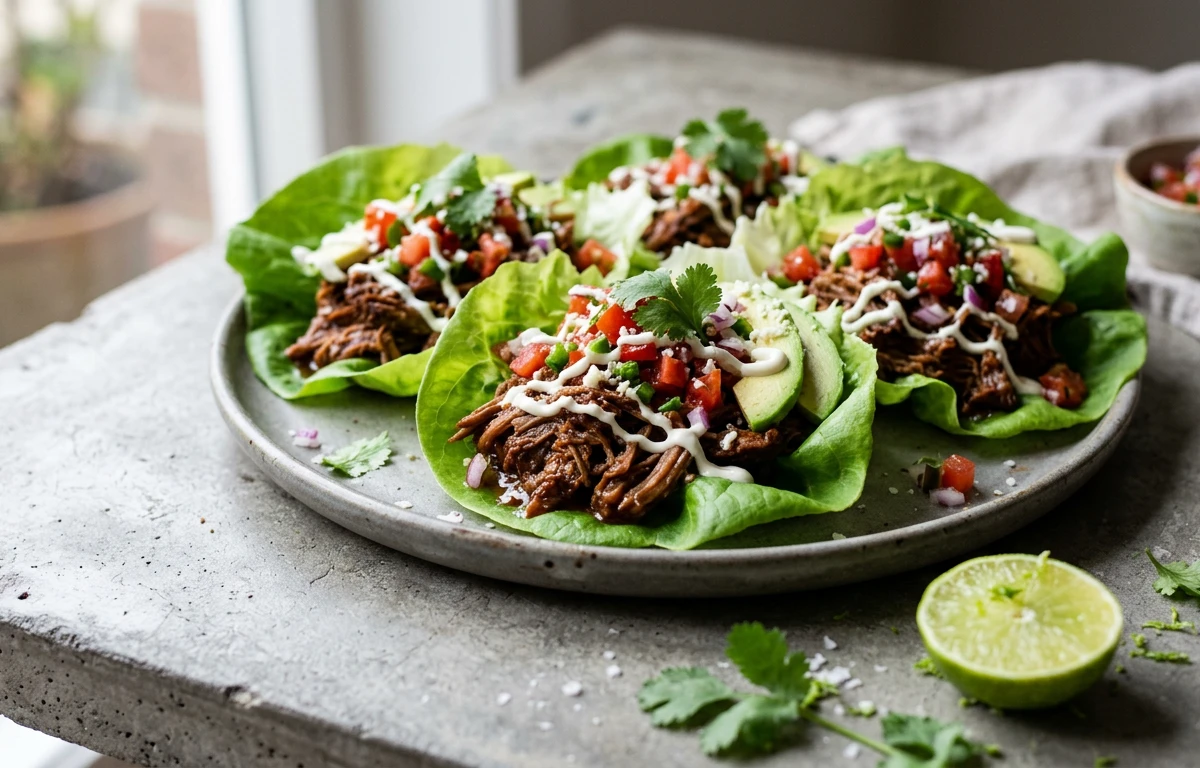
These traditional methods are the best way to unlock the flavor and texture of mutton head.
Want rich, satisfying meals worked into a balanced week?
Our meal planner can incorporate high-protein foods like mutton into a healthy diet, balancing rich meals with lighter ones, calculating macros, and giving you a single grocery list.
Build my weekly plan →SOURCES & REFERENCES · 3
One more thing
Eating well is rarely about willpower. It’s about having a short list of dinners you actually want to eat. Pick two from this list. Make them next week. The rest will follow.
If you want these on autopilot, our weekly meal planner can drop the picks above into your calendar with one click and build a single grocery list from the merged ingredients.
FREQUENTLY ASKED QUESTIONS
Frequently asked questions
Is mutton head healthy?
It's nuanced. It is very healthy in that it's a great source of protein, collagen, and has a zero glycemic index. However, it's also high in calories and saturated fat, so it should be eaten in moderation as part of a balanced diet.
Does mutton head have a strong taste?
Yes, mutton has a more pronounced, gamier flavor than lamb or beef, which is why it's typically cooked with strong, aromatic spices that complement its richness.
Is mutton head good for weight loss?
It can be. The high protein content is very satiating, which can help control overall calorie intake. However, it is a calorie-dense food, so portion control is critical. Skimming the rendered fat during cooking can also help.
Where can I buy mutton head?
You'll likely need to visit a specialty butcher shop, particularly one that caters to Halal, Middle Eastern, or South Asian cuisines. It's not typically found in mainstream supermarkets.

ABOUT THE AUTHOR
Shreya Chatterjee
NUTRITION WRITER
Shreya is a nutrition writer and the voice behind The Nutrition Pen, where she turns evidence-based nutrition into simple, repeatable eating habits. Her writing focuses on practical food guidance — what to actually put on the plate — for readers who want to eat well without the noise.
Meet the editorial team →METHODOLOGY
How this article was created
Built using verified nutrition databases, culinary research, and traditional cooking knowledge — every claim is cross-referenced against the sources listed in the article.
· USDA data· Culinary research· Quality reviewed
Read our methodology →TRANSPARENCY
About this content
Articles are curated using trusted food databases (USDA FoodData Central, IFCT), culinary literature, and dietary guidelines, then structured by our editorial team for clarity, accuracy, and usefulness.
· Verified data sources· Culinary research· Quality reviewed
Read our editorial policy →RELATED RECIPES
Cook from this article
EXPLORE OUR MEALS
Meals that fit this article

AMERICAN · 1677 CAL
Almonds with Sliced Apple + supplement + iron

MEDITERRANEAN · 809 CAL
Greek Yogurt with Berries Almonds and Granola + supplement + iron

GENERAL_HEALTHY · 705 CAL
Banana with Peanut Butter Pregnancy + supplement + iron

MODERN · 982 CAL
Hummus with Crudits and Pita with Fresh Orange Snack + supplement + iron
TAGGED
KEEP READING