Paneer is one of the most satisfying foods in vegetarian cooking, but it often comes with a question mark. Is something this rich and creamy actually good for you? The short answer is yes, but with a few conditions. It's a protein powerhouse that's incredibly low in carbohydrates, making it a star for blood sugar control. The trick is to understand its calorie density — that satisfying richness comes from fat, so portion and preparation are everything.
↑ Fresh paneer is a simple pressed cheese, ready for the pan.
The satisfying vegetarian protein
Paneer is a fresh, non-aged cheese common in South Asian cuisine. It's made by curdling milk with a food acid like lemon juice or vinegar, then pressing the curds to remove the whey. The result is a firm, milky block that doesn't melt, which is why it can be grilled, pan-fried, or simmered in curries.
Its real magic lies in its texture and nutritional profile. For vegetarians, it’s a substantial, meaty source of protein. And because it's so low in carbohydrates, it offers a kind of satisfying, steady energy that you don't get from beans or lentils alone.
IN ONE LINE
High in protein and fat with almost no carbs, paneer is a filling, low-GI food. But it's calorie-dense, so how you cook it and how much you eat are what count.
Paneer nutrition facts
Here’s the nutritional breakdown for a typical 100-gram (about 3.5 oz) serving of plain, full-fat paneer. This is roughly a cup of cubes.
The numbers speak for themselves. This is not a light food. It's a dense combination of fat and protein. That 18.3 grams of protein is significant — it's more than you'd find in three large eggs. The fat content is also high, which is responsible for both its creaminess and its high calorie count.
Is paneer fattening?
This is the million-dollar question. At 321 calories per 100g, paneer is calorie-dense. If you eat large amounts without adjusting the rest of your diet, it could contribute to weight gain. However, 'fattening' isn't a very useful word. The high protein and fat make paneer incredibly satiating — a small portion can keep you full for hours. This can actually help with weight management by reducing the urge to snack on less-nutritious foods. The key is portion control. Think of it as the centerpiece protein of your meal, not a side dish.
Watch the cooking method. Pan-frying paneer in oil or ghee and then adding it to a rich, creamy sauce can easily double the calories of the dish. Grilling, baking, or using it in a tomato-based curry is much lighter.
Paneer's glycemic index
Glycemic index (GI) measures how quickly a food containing carbohydrates raises your blood sugar. Because paneer has only 1.2 grams of carbs per 100g, its GI is considered negligible. It simply doesn't have enough sugar or starch to cause a blood sugar spike. This makes it an outstanding food for anyone managing diabetes, following a low-carb or ketogenic diet, or just trying to maintain stable energy levels.
GLYCEMIC INDEX · PANEER vs COMMON FOODS
Paneer has a minimal effect on blood sugar
Paneer
minimal carbs
LOW
Apple
whole fruit
LOW
Pineapple
whole fruit
MEDIUM
Watermelon
whole fruit
HIGH
White bread
refined
HIGH
SCALE 0–90
04590
The smart way to eat it
Paneer is fantastic, but a little mindfulness goes a long way in keeping it healthy.
01
Mind the portion.
A 100g serving is a good rule of thumb for a main meal. It's easy to eat more, but the calories add up quickly.
02
Grill, bake, or stir-fry.
Deep-frying adds a lot of extra fat. Grilling or lightly pan-searing gives you great texture without soaking up oil.
03
Pair with vegetables.
Paneer has no fibre. Serving it with fibre-rich vegetables like spinach, peppers, or broccoli makes for a more balanced meal.
04
Rethink the sauce.
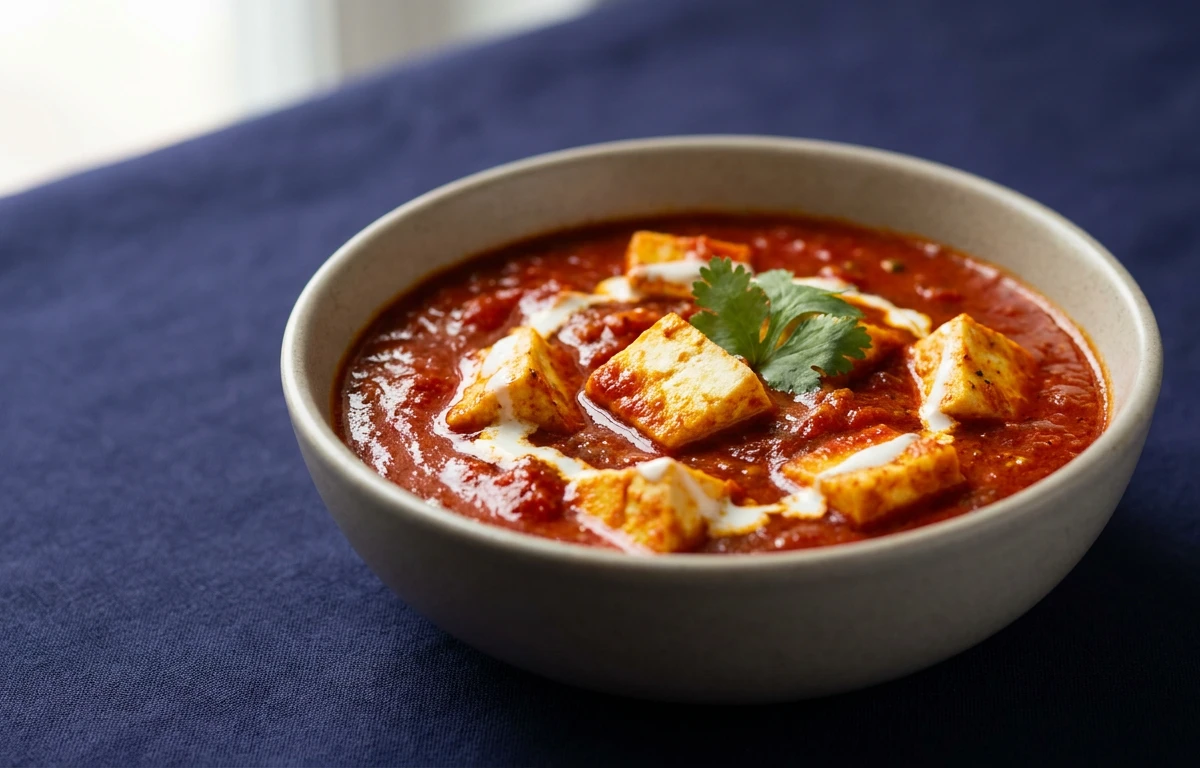
A tomato-and-onion based sauce (like in matar paneer) is much lighter than a heavy cream-and-cashew one (like in shahi paneer).
05
Use it as your protein star.
Don't treat it like a vegetable. Build your meal around it as the primary protein source, just as you would with chicken or fish.
What paneer is good for
01
High-quality vegetarian protein
With 18.3g per serving, it's a fantastic source of protein for muscle maintenance, repair, and overall satiety.
18.3g
protein
02
Blood sugar stability
With almost no carbohydrates, paneer doesn't spike blood sugar, providing steady energy without the crash.
1.2g
carbs
03
Supports bone health
As a dairy product, paneer is a good source of calcium and phosphorus, which work with protein to build and maintain strong bones.
Dairy
source
04
Keeps you feeling full
The combination of high protein and high fat is extremely satiating, which can help curb cravings and reduce overall calorie intake.
High
satiety
What to pair paneer with
Paneer's mild flavor makes it a perfect canvas. Pairing it with fibre and micronutrients creates a complete meal.
Eat freely — or be mindful?
Three ways to eat it
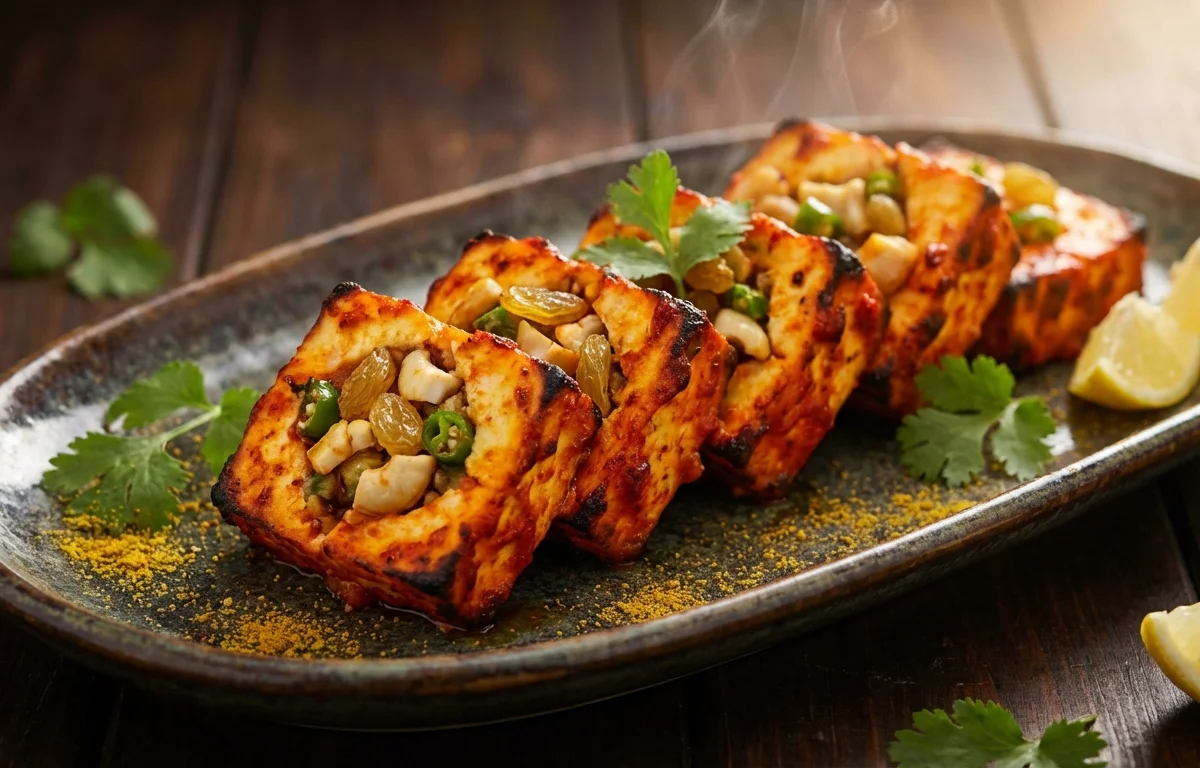
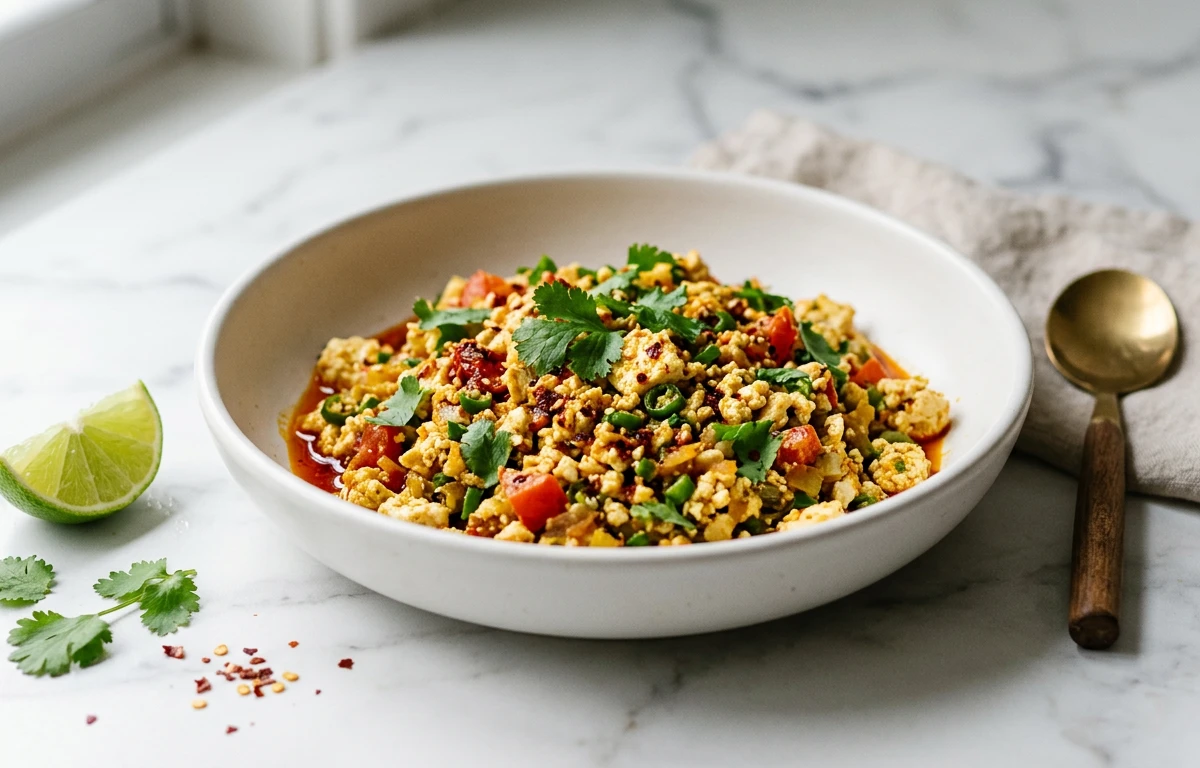
Beyond the classic curries, here are three simple ways to enjoy paneer that keep things on the lighter side.
Want high-protein vegetarian meals planned for you?
Our meal planner can build a balanced week featuring foods like paneer, ensuring you hit your protein goals with delicious, easy-to-make recipes. Everything is calculated, from macros to a single grocery list.
Build my weekly plan →SOURCES & REFERENCES · 3
One more thing
Eating well is rarely about willpower. It’s about having a short list of dinners you actually want to eat. Pick two from this list. Make them next week. The rest will follow.
If you want these on autopilot, our weekly meal planner can drop the picks above into your calendar with one click and build a single grocery list from the merged ingredients.
FREQUENTLY ASKED QUESTIONS
Frequently asked questions
Is paneer good for weight loss?
It can be. Its high protein and fat content make it very filling, which can help prevent overeating. However, it's also high in calories, so portion control is essential. A 100g serving as part of a balanced meal is a good strategy.
Can people with diabetes eat paneer?
Yes, paneer is an excellent choice for people with diabetes. It has almost no carbohydrates, so it won't cause a spike in blood sugar levels. It's a great way to add protein and healthy fats to a meal.
Is paneer healthier than tofu?
They're just different. Paneer is higher in fat, protein, and calories. Tofu is lower in all three and contains more water. Paneer is a dairy protein, while tofu is a plant-based soy protein. Both are healthy choices depending on your dietary goals.
Does paneer have a lot of protein?
Yes. A 100-gram serving of paneer contains about 18.3 grams of protein, making it one of the best vegetarian sources of high-quality protein available.

ABOUT THE AUTHOR
Shreya Chatterjee
NUTRITION WRITER
Shreya is a nutrition writer and the voice behind The Nutrition Pen, where she turns evidence-based nutrition into simple, repeatable eating habits. Her writing focuses on practical food guidance — what to actually put on the plate — for readers who want to eat well without the noise.
Meet the editorial team →METHODOLOGY
How this article was created
Built using verified nutrition databases, culinary research, and traditional cooking knowledge — every claim is cross-referenced against the sources listed in the article.
· USDA data· Culinary research· Quality reviewed
Read our methodology →TRANSPARENCY
About this content
Articles are curated using trusted food databases (USDA FoodData Central, IFCT), culinary literature, and dietary guidelines, then structured by our editorial team for clarity, accuracy, and usefulness.
· Verified data sources· Culinary research· Quality reviewed
Read our editorial policy →RELATED RECIPES
Cook from this article
EXPLORE OUR MEALS
Meals that fit this article

AMERICAN · 1677 CAL
Almonds with Sliced Apple + supplement + iron

MEDITERRANEAN · 809 CAL
Greek Yogurt with Berries Almonds and Granola + supplement + iron

GENERAL_HEALTHY · 705 CAL
Banana with Peanut Butter Pregnancy + supplement + iron

MODERN · 982 CAL
Hummus with Crudits and Pita with Fresh Orange Snack + supplement + iron
TAGGED
KEEP READING