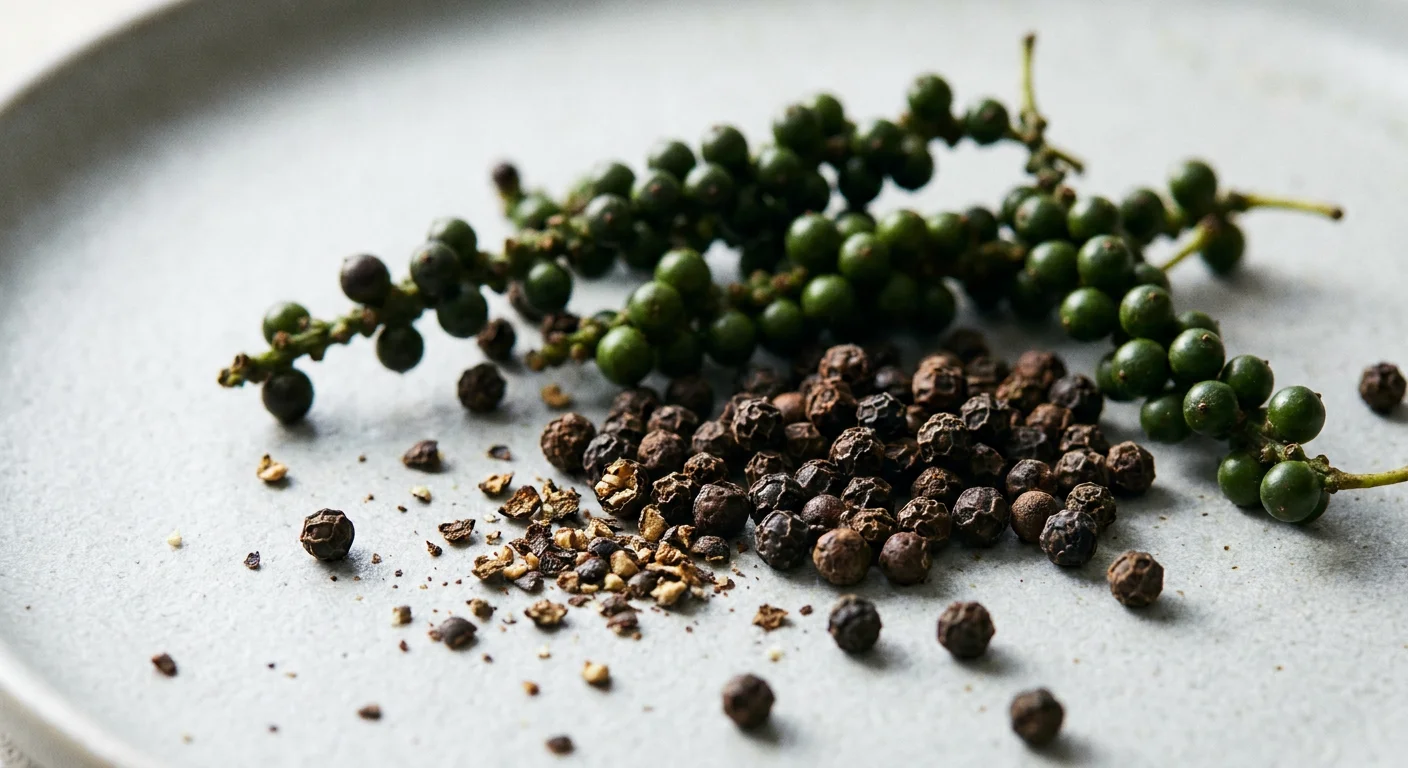
“Omega-3” gets used as if it were one thing. It isn’t. There are three that matter, they’re not interchangeable, and the gap between them is the single most important — and most ignored — fact about this nutrient. Get that straight and the whole fish-oil-versus-algae-oil-versus-eat-more-salmon debate suddenly makes sense.
↑ Oily fish like salmon is the richest whole-food source of the omega-3s your body can use directly.
WHAT THIS ARTICLE COVERS
The three omega-3s
Omega-3s are a family of essential fats. Three of them do almost all the work, and they fall into two camps — one from plants, two from the sea.
THE THREE THAT MATTER
ALA, EPA and DHA
Only ALA is strictly “essential” — your body can technically build EPA and DHA from it. The catch, as you’ll see next, is how little it actually builds.
01
ALA
plant omega-3 · flax, chia, walnuts
02
EPA
marine · heart & inflammation
03
DHA
marine · brain, eyes & nerves
COMPLETEALA comes from plants; EPA and DHA come from the sea — from oily fish, and originally from the algae those fish eat. That algae is the reason a vegan supplement is even possible.
Why plant omega-3 isn’t enough
Here’s the line nutrition labels never tell you: your body can convert plant-based ALA into the EPA and DHA it actually uses — but it’s remarkably bad at it. Most of the ALA you eat is simply burned for energy instead.
ALA → EPA → DHA CONVERSION
What happens to the ALA you eat
Eat a tablespoon of ground flax and you’ve had plenty of ALA. But only a sliver of it is converted into the marine omega-3s your heart and brain run on.
ALA eaten flax, chia, walnuts100%
→ EPA converted in the body~5–10%
→ DHA converted in the body<1–5%
BOTTOM LINEThis is why “I eat flaxseed, I’m covered” doesn’t hold up. ALA is good for you, but if you eat no fish, a direct source of EPA and DHA — oily fish or an algae supplement — is the reliable way to get them.
Fish oil vs algae oil vs food
So if plant ALA can’t be your only source, what should be? There are three honest routes to enough EPA and DHA. None is universally “best” — they trade off cost, sustainability and whether you eat animals.
THE HONEST COMPARISON
Three routes to enough EPA & DHA
Omega-3 by the gram
Here’s how common foods and supplements stack up by total omega-3 per serving. Read it with the conversion chart in mind: the plant foods at the top carry ALA, which mostly doesn’t convert — so the fish and algae lower down often deliver more usable omega-3 than their gram count suggests.
GRAMS OF OMEGA-3 · ALA vs MARINE
Total omega-3 per serving
Where omega-3s come from
If you’d rather get omega-3s from your plate than a bottle, these are the foods worth building habits around — oily fish for EPA and DHA, and a handful of plants for ALA.
How much do you need?
For general health, most guidelines point to roughly 250–500 mg of combined EPA and DHA per day — about what two servings of oily fish a week works out to. Plant ALA has its own target (around 1.6 g a day for men, 1.1 g for women), easily met by a spoon of seeds or a handful of walnuts.
THE SIMPLE VERSION
Eat oily fish about twice a week, or take a daily algae or fish-oil supplement if you don’t — and keep a plant ALA source (walnuts, flax, chia) in your routine on top.
Which should you choose?
01
Eat oily fish? Lead with food.
If you’ll happily eat salmon, sardines or mackerel a couple of times a week, you may not need a supplement at all. Whole fish brings protein and other nutrients too.
02
Don’t eat fish, but eat animal products? Either supplement works.
Fish oil is the cheapest high-dose option. Choose a reputable, purified, third-party-tested brand to minimise contaminants and rancidity.
03
Vegan or vegetarian? Choose algae oil.
It’s the only plant-based source of ready-made DHA (and increasingly EPA). It costs more, but it skips the fish entirely and is free of ocean contaminants.
04
Always keep a plant ALA habit.
Whatever else you do, a daily spoon of ground flax or chia, or a handful of walnuts, is cheap insurance — and good for fibre and heart health in its own right.
05
Mind quality over megadose.
Look for the actual EPA+DHA numbers on the label, not just “1000 mg fish oil”. Store oils cool and dark; omega-3s go rancid easily.
What omega-3s actually do
01
Support heart health
EPA and DHA are best known for lowering blood triglycerides and supporting overall cardiovascular health — the most established benefit of marine omega-3s.
EPA
heart
02
Build the brain and eyes
DHA is a major structural fat in the brain and retina, which is why it’s singled out in pregnancy and infant nutrition for healthy development.
DHA
brain
03
Calm inflammation
Omega-3s are the raw material for signalling molecules that help resolve inflammation — part of why diets higher in oily fish are linked to better long-term health.
anti-
inflammatory
04
Balance a modern diet
Western diets run heavy in omega-6 and light in omega-3. Adding omega-3s helps rebalance that ratio, which many researchers consider the bigger issue.
ratio
ω-6 : ω-3
Who should pay attention
Three omega-3 recipes
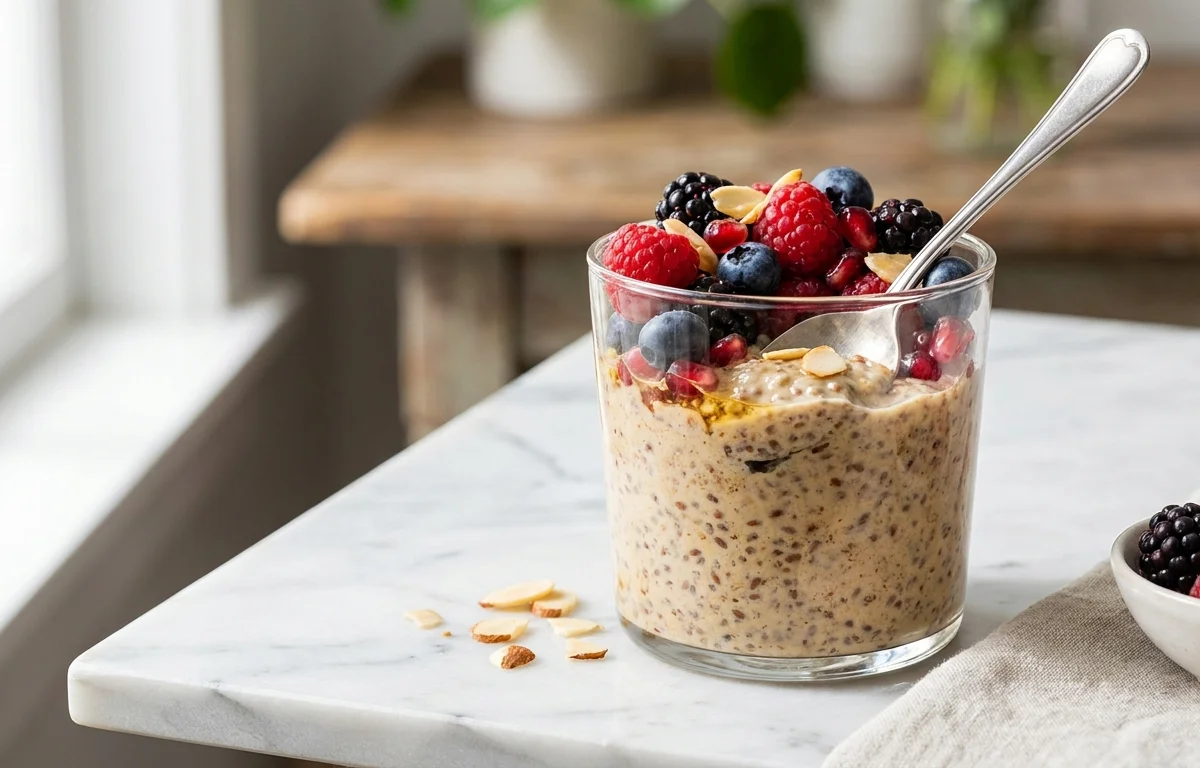
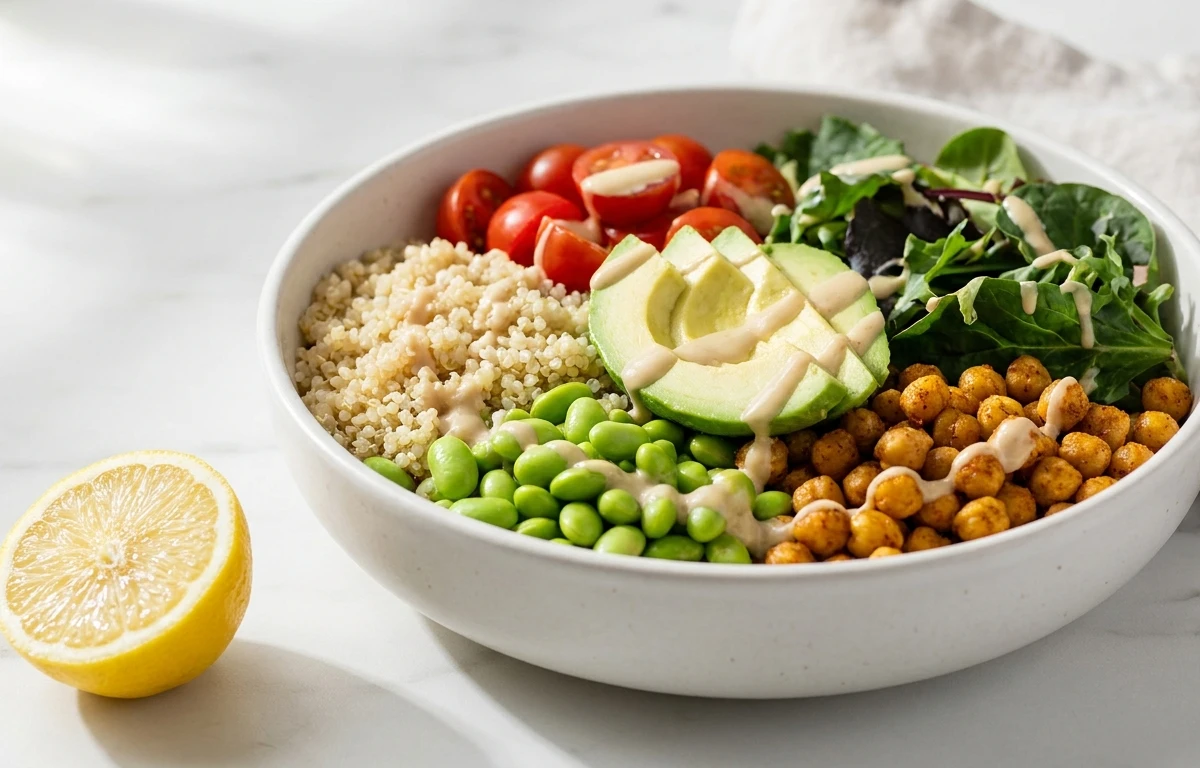
Three easy ways to eat your omega-3s — one marine, two plant-forward — so you’re leaning on food before a bottle.

Want omega-3s built into your week without thinking about it?
Our meal planner works oily fish, walnuts, flax and chia into balanced days, with the EPA, DHA and ALA tracked for you and a single grocery list at the end.
Build my weekly plan →One more thing
Eating well is rarely about willpower. It’s about having a short list of dinners you actually want to eat. Pick two from this list. Make them next week. The rest will follow.
If you want these on autopilot, our weekly meal planner can drop the picks above into your calendar with one click and build a single grocery list from the merged ingredients.
FREQUENTLY ASKED QUESTIONS
Frequently asked questions
Is algae oil as good as fish oil?
For DHA, yes — algae oil is where fish get their omega-3 in the first place, and newer algae oils supply EPA too. It’s vegan, sustainable and contaminant-free. The main downsides are cost and sometimes a lower EPA dose, so check the label.
Can I just eat flaxseed instead of taking a supplement?
Not for DHA. Flax gives you ALA, but your body converts only a few percent of it into the EPA and DHA it actually uses. Flax is great for ALA and fibre — but if you eat no fish, add a direct EPA/DHA source like algae oil.
How much omega-3 should I take a day?
For general health, roughly 250–500 mg of combined EPA and DHA per day is a common target — about two servings of oily fish a week. Higher doses are sometimes used for specific conditions, but that’s a conversation for your doctor.
Does fish oil have mercury or contaminants?
Whole oily fish can carry traces, and large predatory fish more so — but reputable, purified, third-party-tested fish oils remove most contaminants. Smaller fish like sardines and anchovies are naturally lower in mercury.
Is more omega-3 always better?
No. Beyond a sensible dose there’s little extra benefit, and very high doses can thin the blood — worth flagging if you’re on blood-thinning medication. Quality, freshness and a steady daily amount matter more than megadosing.
What’s the most sustainable way to get omega-3?
Small oily fish (sardines, anchovies, mackerel) and algae oil are the most sustainable options. Algae is grown on land with a low footprint; small fish reproduce fast and are lower down the food chain.
METHODOLOGY
How this article was created
Built using verified nutrition databases, culinary research, and traditional cooking knowledge — every claim is cross-referenced against the sources listed in the article.
· USDA data· Culinary research· Quality reviewed
Read our methodology →TRANSPARENCY
About this content
Articles are curated using trusted food databases (USDA FoodData Central, IFCT), culinary literature, and dietary guidelines, then structured by our editorial team for clarity, accuracy, and usefulness.
· Verified data sources· Culinary research· Quality reviewed
Read our editorial policy →EXPLORE OUR MEALS
Meals that fit this article

AMERICAN · 1677 CAL
Almonds with Sliced Apple + supplement + iron

MEDITERRANEAN · 809 CAL
Greek Yogurt with Berries Almonds and Granola + supplement + iron

GENERAL_HEALTHY · 705 CAL
Banana with Peanut Butter Pregnancy + supplement + iron

MODERN · 982 CAL
Hummus with Crudits and Pita with Fresh Orange Snack + supplement + iron
TAGGED
KEEP READING