Let's be honest, pork has an image problem. It's either seen as a fatty indulgence like bacon, or a dry, forgettable weeknight trial in the form of an overcooked loin chop. The truth is somewhere in the middle, and it's much better than you think. The secret to pork isn't avoiding it; it's understanding the different cuts. A lean tenderloin is a world away from a fatty rib, and when you choose well and cook it right, pork is an affordable, versatile, and surprisingly lean source of high-quality protein.
↑ The key to great pork is choosing the right cut and not overcooking it.
The misunderstood meat
Pork has been on a journey. Decades of breeding have made the average pig significantly leaner than it was in your grandparents' day. A modern pork tenderloin is now as lean as a skinless chicken breast, which is a fact that surprises almost everyone.
The key is to stop thinking of 'pork' as one thing. It's a spectrum. On one end you have lean, protein-packed tenderloin and loin chops. In the middle, you have things like shoulder for pulled pork. And on the other end, you have high-fat, high-sodium processed items like bacon, sausage, and cured ham. They all come from the same animal, but they don't behave the same way on your plate or in your body.
IN ONE LINE
Think of pork in terms of cuts: lean loin and tenderloin are excellent protein sources. Treat fattier cuts and processed versions like bacon as occasional foods, not staples.
Pork nutrition facts
The nutritional profile of pork varies more than almost any other meat depending on the cut. A lean tenderloin is worlds apart from a pork belly slice. The numbers below are for a typical 100-gram (about 3.5 oz) serving of a mixed-fat cut, like a standard pork chop, to give a general idea.
What about the fat?
Yes, pork contains saturated fat. But the amount is entirely dependent on the cut and how you cook it. A lot of the fat is visible and can be trimmed away before cooking, which makes a huge difference. About half the fat in pork is monounsaturated, the same kind you find in olive oil.
My advice? Don't fear the fat, but be smart about it. Choose leaner cuts like tenderloin, sirloin, or loin chops for everyday meals. You can easily trim the visible fat cap off a loin roast. Save the belly, ribs, and high-fat sausages for special occasions.
Pork's glycemic index
This part is simple. The glycemic index (GI) measures how carbohydrates in food affect blood sugar. Since pork has zero carbohydrates, it has a glycemic index of zero. It simply doesn't raise blood sugar levels on its own.
This makes plain, un-breaded, un-sauced pork an excellent food for blood sugar management. It provides protein and fat that can actually help slow down the absorption of carbohydrates from other foods you eat with it, leading to a more stable, gentle rise in blood sugar after a meal.
GLYCEMIC INDEX · PORK vs COMMON FOODS
Pork has a glycemic index of zero
Pork
no carbs
ZERO
Cherries
whole fruit
LOW
Apple
whole fruit
LOW
Pineapple
whole fruit
MEDIUM
White bread
refined
HIGH
SCALE 0–90
04590
How to choose and cook it well
The difference between delicious pork and disaster pork usually comes down to two things: the cut and the cooking time.
01
Choose lean cuts for everyday.
Look for 'loin' or 'sirloin' in the name. Pork tenderloin, loin chops, and sirloin roasts are your leanest, most versatile options.
02
Don't overcook it!
This is the cardinal sin of pork cookery. Modern pork is safe to eat when cooked to an internal temperature of 145°F (63°C), followed by a 3-minute rest. It will be juicy and slightly pink inside. A meat thermometer is your best friend.
03
Mind the added sodium.
The biggest health pitfall with pork isn't the fresh meat itself, but the processed versions. Bacon, ham, and sausage are loaded with sodium. Enjoy them, but don't make them your main source of pork.
04
Pair it with fiber.
Pork has no fiber, so always serve it with vegetables, beans, or whole grains. A pork chop with a huge salad is a fantastic meal.
What pork is good for
01
High-quality muscle-building protein
Pork is a 'complete' protein, providing all the essential amino acids your body needs for muscle repair and maintenance. A lean 100g portion can pack over 20g of protein.
17.3g
protein
02
Zero-carb energy stabilization
With a glycemic index of zero, pork provides steady energy without any impact on blood sugar, helping to keep you full and prevent energy crashes.
GI 0
zero
03
A rich source of B-Vitamins
Pork is particularly rich in B vitamins like thiamin, niacin, B6, and B12, which are crucial for converting food into energy and for brain health.
Rich in
B-Vitamins
04
Packed with essential minerals
It's an excellent source of selenium, a powerful antioxidant, as well as zinc for immune function and phosphorus for bone health.
Good
minerals
What to pair pork with
Pork's savory flavor loves a bit of contrast, especially from fruit or acidic vegetables. Pairing it with fiber-rich sides makes for a complete, balanced meal.
Eat freely — or be mindful?
Three ways to cook it
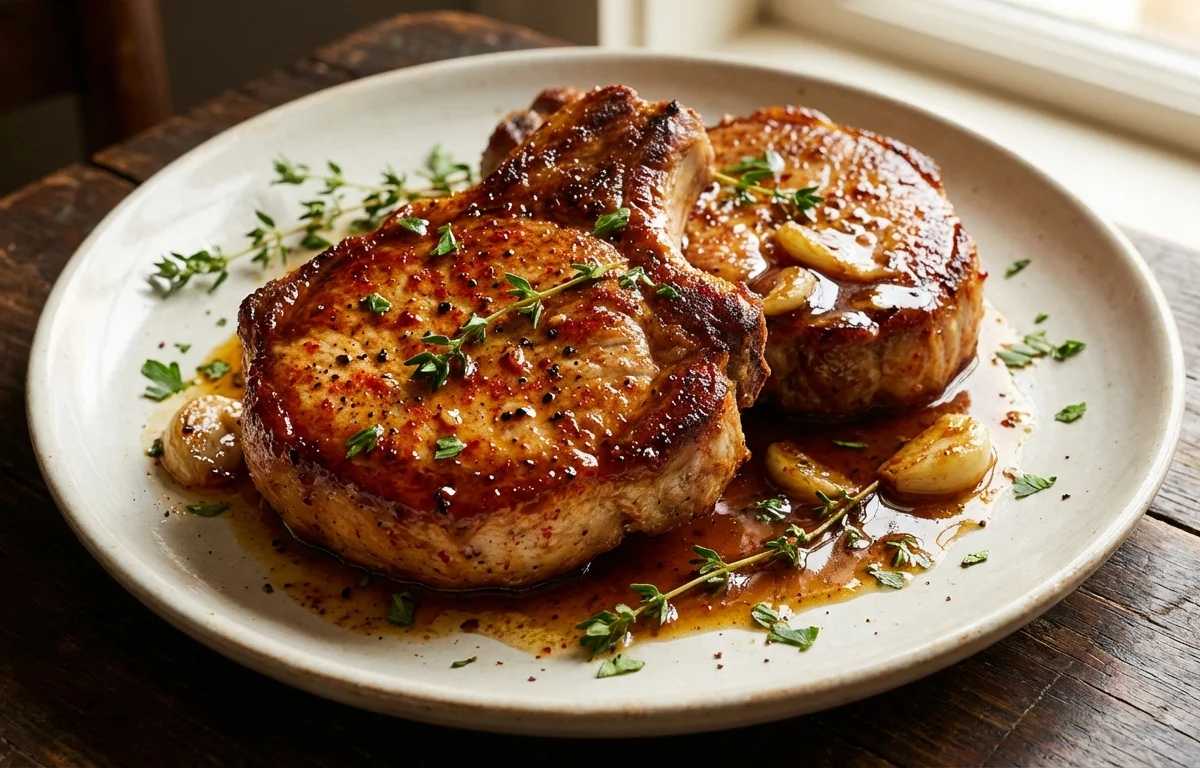
Here are three simple ways to enjoy pork that focus on lean cuts and healthy cooking methods, keeping it juicy and flavorful.
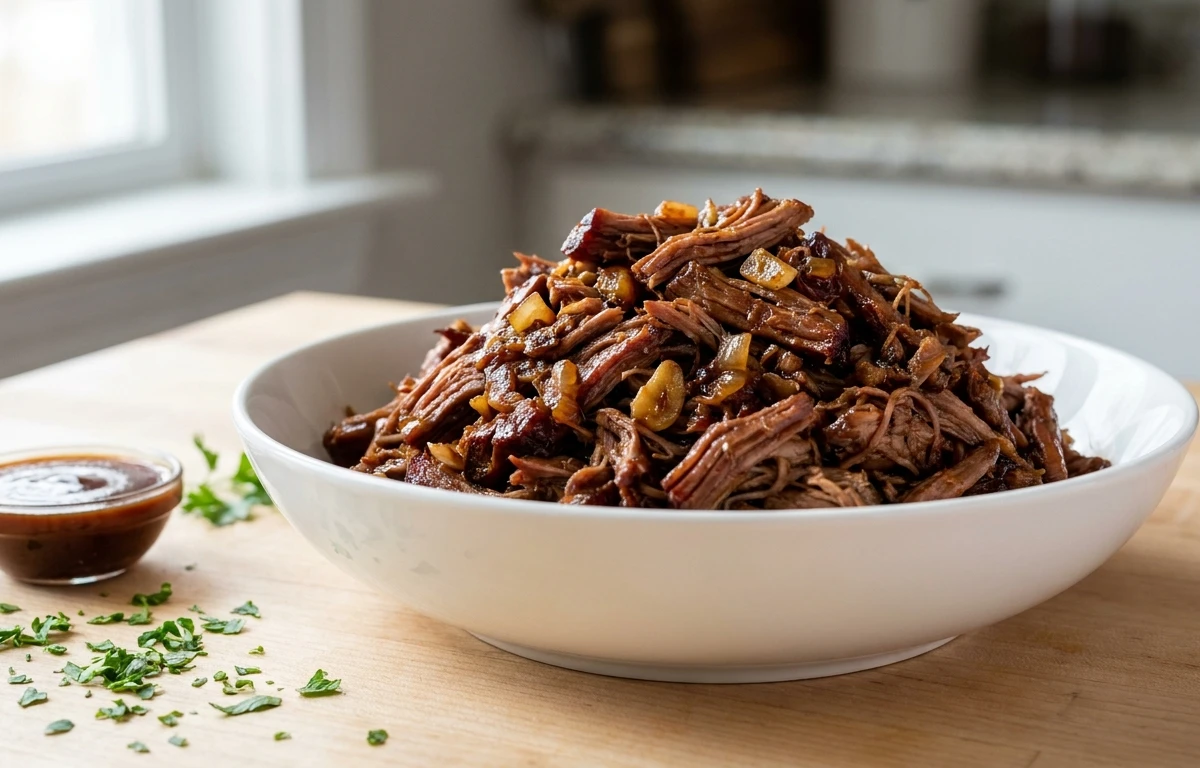
Want lean protein worked into a balanced week — without the guesswork?
Our meal planner helps you choose lean cuts like pork loin and pairs them with high-fiber sides for balanced, satisfying meals. We handle the portions and macros, you get a simple grocery list.
Build my weekly plan →SOURCES & REFERENCES · 3
One more thing
Eating well is rarely about willpower. It’s about having a short list of dinners you actually want to eat. Pick two from this list. Make them next week. The rest will follow.
If you want these on autopilot, our weekly meal planner can drop the picks above into your calendar with one click and build a single grocery list from the merged ingredients.
FREQUENTLY ASKED QUESTIONS
Frequently asked questions
Is pork a red meat or white meat?
Nutritionally, pork is classified as a red meat. This is due to its myoglobin content, which is higher than in chicken or fish. The old ad campaign calling it 'the other white meat' referred to its potential to be as lean as chicken.
Is pork healthy?
It can be very healthy. A lean, unprocessed cut of pork like tenderloin or a loin chop, cooked well, is an excellent source of protein, vitamins, and minerals. The healthiness of pork depends entirely on the cut you choose and how it's prepared.
Can I eat pork if I have high blood pressure?
Yes, but you must be selective. Fresh, unprocessed pork is naturally low in sodium and fits well in a blood-pressure-friendly diet. However, you should strictly limit or avoid cured and processed pork like bacon, sausage, and ham, which are extremely high in sodium.
Do I need to worry about trichinosis from pork?
Not really, not anymore in most developed countries. Changes in farming practices have made trichinosis incredibly rare in commercially raised pork. Still, it's just good food safety practice to cook pork to the recommended internal temperature of 145°F (63°C).
METHODOLOGY
How this article was created
Built using verified nutrition databases, culinary research, and traditional cooking knowledge — every claim is cross-referenced against the sources listed in the article.
· USDA data· Culinary research· Quality reviewed
Read our methodology →TRANSPARENCY
About this content
Articles are curated using trusted food databases (USDA FoodData Central, IFCT), culinary literature, and dietary guidelines, then structured by our editorial team for clarity, accuracy, and usefulness.
· Verified data sources· Culinary research· Quality reviewed
Read our editorial policy →EXPLORE OUR MEALS
Meals that fit this article
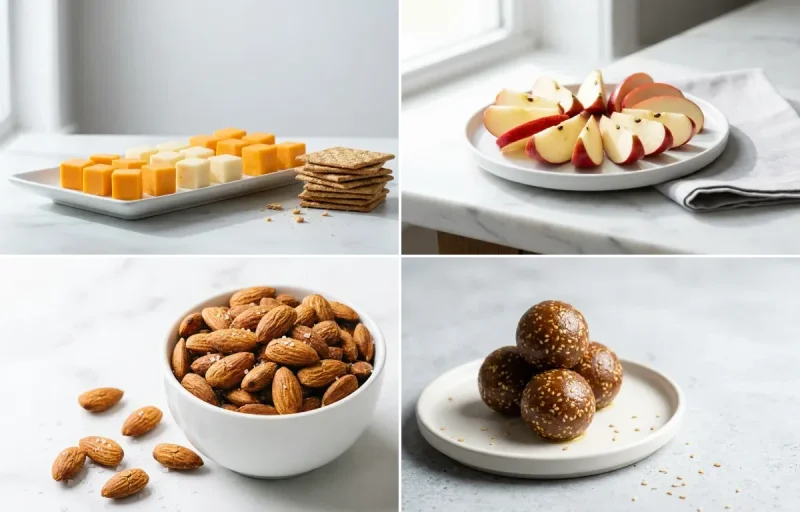
AMERICAN · 1677 CAL
Almonds with Sliced Apple + supplement + iron
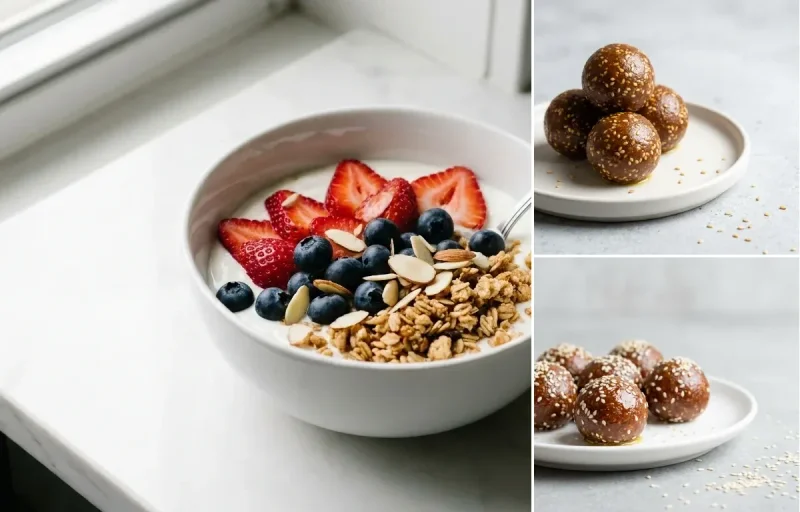
MEDITERRANEAN · 809 CAL
Greek Yogurt with Berries Almonds and Granola + supplement + iron

GENERAL_HEALTHY · 705 CAL
Banana with Peanut Butter Pregnancy + supplement + iron

MODERN · 982 CAL
Hummus with Crudits and Pita with Fresh Orange Snack + supplement + iron
TAGGED
KEEP READING