Chickpeas — chana, garbanzo, Bengal gram, whatever you call them — are quietly one of the best plant proteins on the shelf. But “how much protein is in a chickpea?” has more than one answer, because boiled chana, roasted chana, gram flour and hummus all behave very differently on a nutrition label. Here’s the honest per-serving breakdown, and what it means for hitting your daily target.
↑ Chickpeas (chana) — one of the most protein-dense pulses, and one of the most versatile.
The short answer
A standard 1-cup (164 g) serving of boiled chickpeas delivers about 15 grams of protein, alongside roughly 269 calories and 12.5 grams of fibre. That’s close to the protein in two large eggs, from a food that’s also a serious source of fibre, folate, iron and complex carbohydrate.
IN ONE LINE
Boiled chana ≈ 15 g protein per cup (about 9 g per 100 g cooked). Dry weight is far more concentrated — around 19–20 g per 100 g — which is why gram flour and roasted chana look so protein-rich on a label.
What’s in one cup of boiled chana
Here’s the full picture for the serving most people actually eat — a cup of cooked chickpeas. Notice the protein and fibre arrive together, which is most of why chana is so filling.
Chickpea protein by form, per serving
This is where the question gets interesting. The protein in a chickpea doesn’t change, but the water and air around it do — so a handful of roasted chana and a bowl of hummus land in very different places. These are realistic, everyday servings rather than a flat 100 g, because that’s how you actually eat them.
PROTEIN PER TYPICAL SERVING
How much protein each chana form delivers
WATCH THE SERVING
Roasted chana and besan look ultra-high-protein per 100 g, but you rarely eat 100 g of either. Compare like with like: a realistic portion of plain boiled or sprouted chana usually beats a snack handful or a couple of spoons of dip.
Why the form changes the number
It comes down to water. Dry chickpeas are roughly 19–20 g protein per 100 g; cooking them triples their weight with absorbed water, so the same protein now sits in 100 g of cooked chana at about 9 g. Nothing was lost — it’s just diluted.
Gram flour (besan) and dry-roasted chana keep the dense, dry-weight number, which is why they read so high on a label. But you eat far less of them at a sitting, so per realistic serving they don’t actually run away with it. Hummus goes the other way: blending chickpeas with water, oil and tahini stretches a little protein across a lot of dip.
Don’t ask how much protein is “in chickpeas” in the abstract — ask how much is on your plate. The cooking water, the portion and the form decide the real number, not the bean.
— Dr. Lena Hoff, RD
Is chana a complete protein?
Not quite on its own — and that’s completely fine. Like most legumes, chickpeas are relatively low in the sulphur amino acid methionine, which makes them “incomplete.” But they’re generous in lysine, the very amino acid that grains run short on. That mismatch is the whole trick to completing them.
WHERE CHANA STANDS
The nine essential amino acids
Chickpeas carry all nine essential amino acids — they’re simply lower in methionine than your body would ideally want. Pair them with a grain across the day and the gap closes completely.
01
Histidine
present
02
Isoleucine
good
03
Leucine
good
04
Lysine
rich — chana’s strength
05
Methionine
limiting in chana
06
Phenylalanine
present
07
Threonine
present
08
Tryptophan
present
09
Valine
good
COMPLETEChickpeas are low in methionine but high in lysine; grains like rice and wheat are the mirror image. Eat them in the same day and each fills the other’s gap.
Completing chickpea protein
You don’t have to engineer it — these pairings already live in every cuisine. A chickpea food plus a grain, somewhere across the same day, gives you all nine amino acids in good amounts. No combining at the exact same bite required.
Chana
low in methionine
+
Rice
low in lysine
= COMPLETE
Chana masala with rice, or chana pulao — a complete, everyday plate.
Chickpeas
low in methionine
+
Wholegrain pita
low in lysine
= COMPLETE
Hummus with wholegrain pita or bread — a quietly complete snack.
Besan
low in methionine
+
Wheat / millet
low in lysine
= COMPLETE
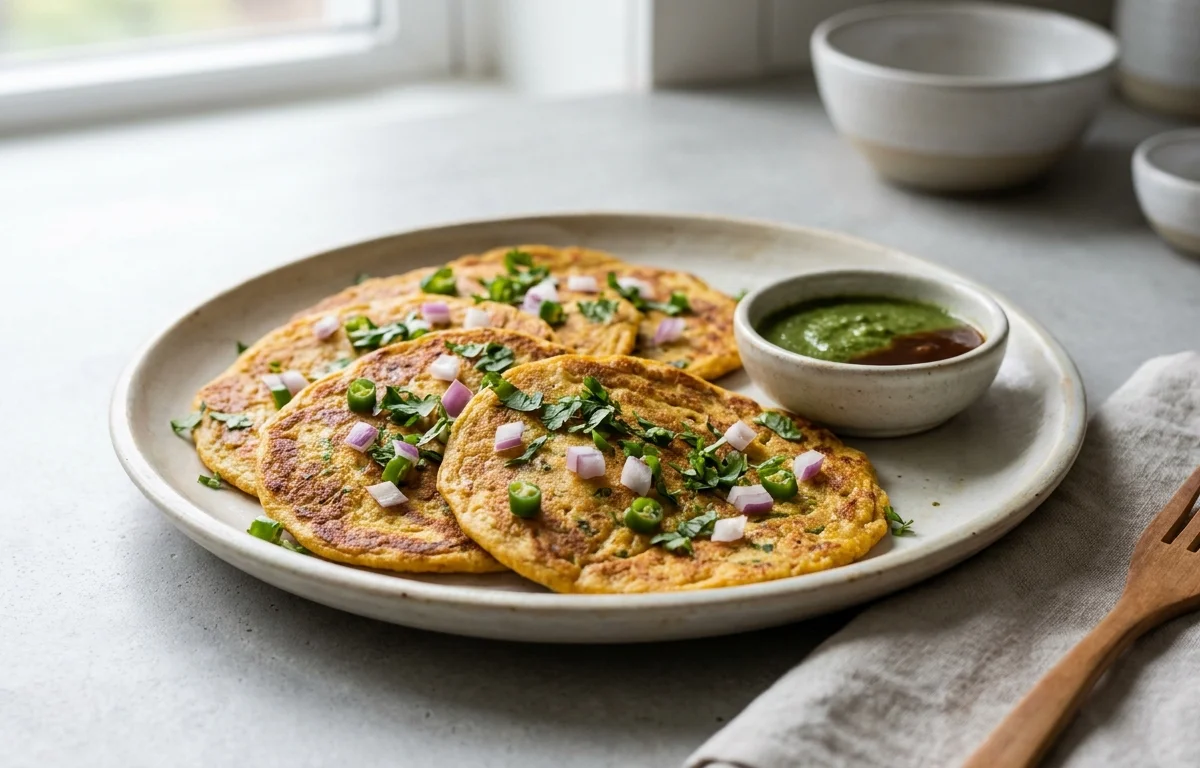
Besan chilla or a mixed besan-atta roti rounds out the amino acids.
Chana
low in methionine
+
Chapati
low in lysine
= COMPLETE
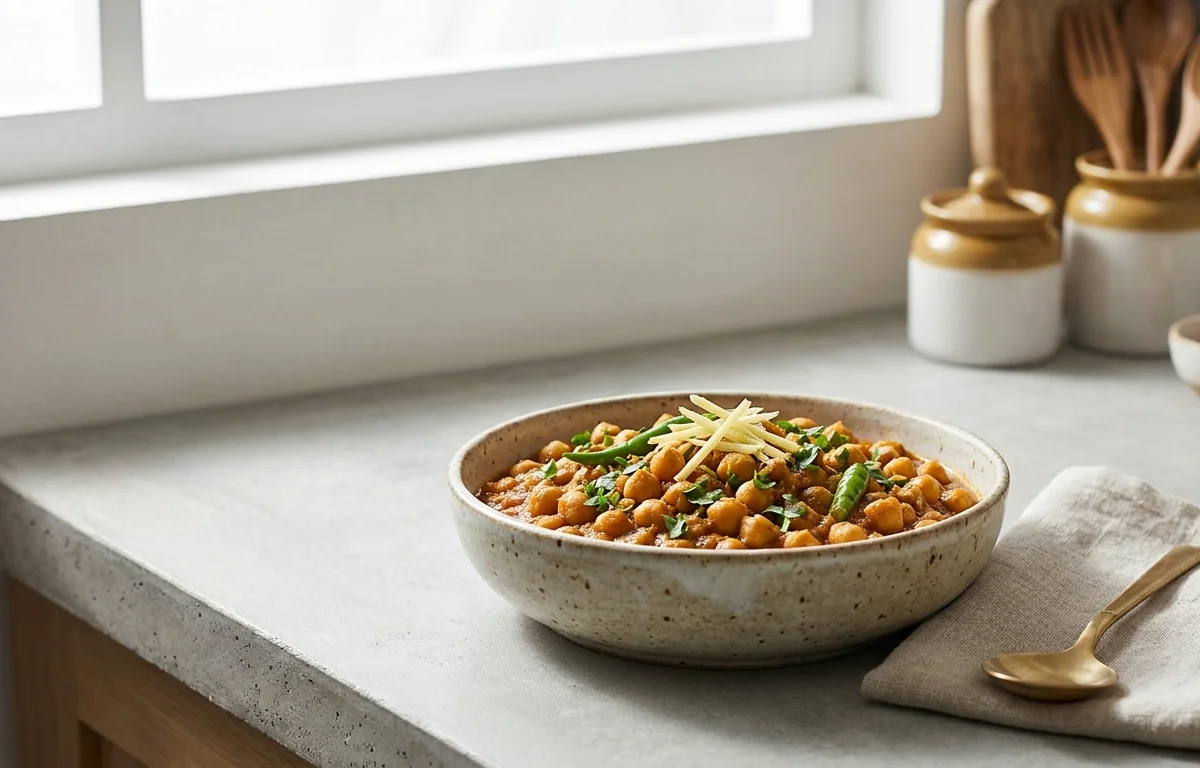
Chole with chapati — the classic North-Indian pairing, complete by design.
RULE OF THUMB
Pulse + grain = complete protein. Chana and rice, chole and roti, hummus and pita — you just need both somewhere in the same day, not the same mouthful.
Your daily protein target
Before working out how much chana you need, you need a target. The baseline for a healthy adult is about 0.8 grams of protein per kilogram of body weight per day. Active people, those building muscle, and older adults all do better higher up the range.
Sedentary adult
0.8 g/kg
The basic requirement to avoid deficiency — about 50–60 g for many adults.
Active / regular exercise
1.2–1.6 g/kg
Supports recovery and helps preserve muscle while training.
Building muscle / athlete
1.6–2.0 g/kg
The range most strength and physique research points to.
Older adult (65+)
1.0–1.2 g/kg
Higher intake helps counter age-related muscle loss.
QUICK MATH
A 70 kg adult at the 0.8 g/kg baseline needs about 56 g of protein a day. At 1.6 g/kg — say, training regularly — that climbs to roughly 112 g.
How much chana hits your target
Chickpeas can do a lot of the heavy lifting, but they’re rarely your only protein. Here’s how to think about chana’s contribution to a day — and where to top it up.
01
One cup covers a quarter of a baseline day
For a 70 kg adult needing ~56 g, a single cup of boiled chana (15 g) supplies more than a quarter of the day in one helping — before any roti, curd or dal joins it.
27%
of 56 g
02
Stack two chana servings without trying
A besan chilla at breakfast and a bowl of chole at dinner is roughly 28 g from chana alone — over half a baseline target from one humble pulse.
~28g
two servings
03
Snack the gap closed
A handful of roasted chana (6 g) or sprouted chana chaat (12 g) turns a snack into real protein instead of empty crunch.
+6–12g
per snack
04
Pair it to finish the job
Add a grain for amino-acid balance and a second source — curd, paneer, eggs or dal — and most people clear their target comfortably.
+grain
completes it
Chickpea vs other pulses
Chana holds its own in the pulse aisle. Here’s the protein in a cooked cup of the usual suspects — soybeans lead the legumes, but chickpeas sit comfortably in the upper middle, and well ahead of most people’s assumptions.
LEGUMES, RANKED · 1 CUP COOKED
Protein per cooked cup, common pulses
Who should lean on chana
Three high-protein chana recipes
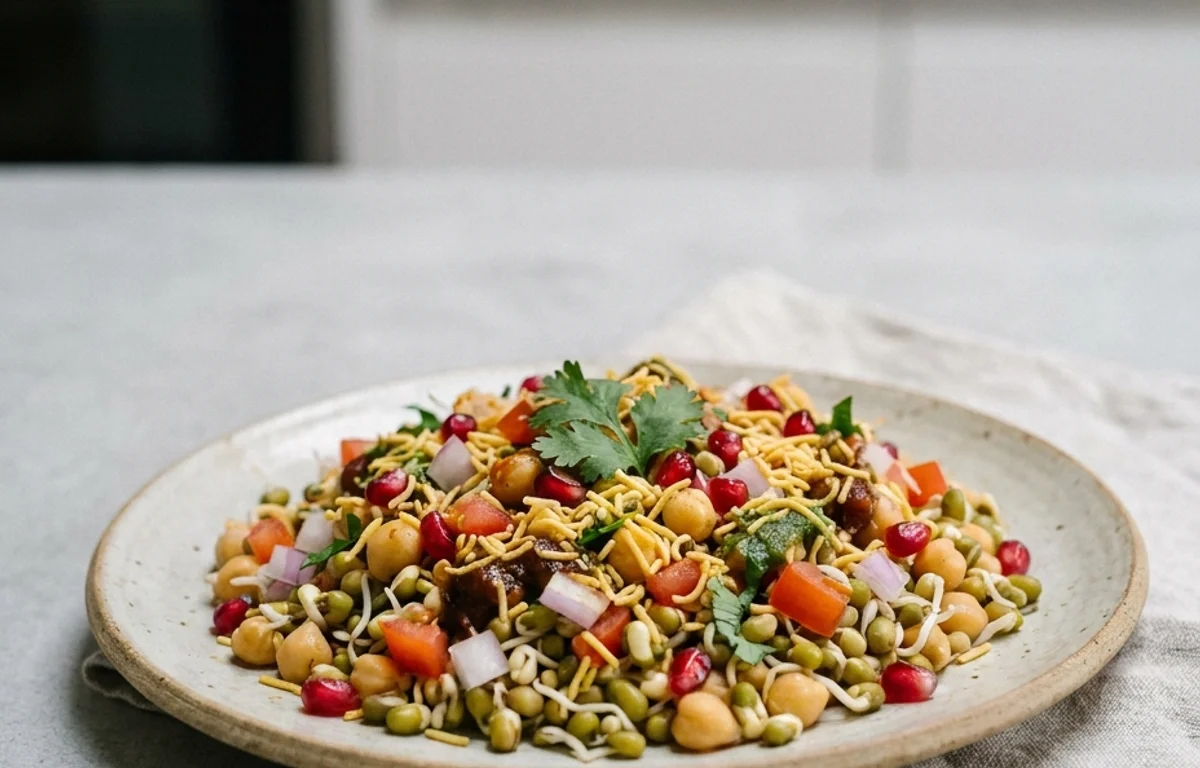
Three ways to put chickpea protein front and centre — one snack, one breakfast, one full plate — each pairing chana with a grain so the amino acids land complete.
Want every meal to hit its protein target — automatically?
Our meal planner builds balanced days that anchor each plate with protein and the right pulse-and-grain pairings, with grams and macros calculated and a single grocery list at the end.
Build my weekly plan →SOURCES & REFERENCES · 3
One more thing
Eating well is rarely about willpower. It’s about having a short list of dinners you actually want to eat. Pick two from this list. Make them next week. The rest will follow.
If you want these on autopilot, our weekly meal planner can drop the picks above into your calendar with one click and build a single grocery list from the merged ingredients.
FREQUENTLY ASKED QUESTIONS
Frequently asked questions
How much protein is in 100 g of chickpeas?
It depends whether they’re cooked or dry. Cooked (boiled) chickpeas have about 8.9 g of protein per 100 g, because cooking adds water weight. Dry, uncooked chickpeas have roughly 19–20 g per 100 g — the same protein, just far more concentrated.
How much protein is in one cup of boiled chana?
About 14–15 g of protein per cup (roughly 164 g), along with around 269 calories and 12.5 g of fibre. That’s comparable to the protein in two large eggs.
Which has more protein — chana, dal or rajma?
Per cooked cup they’re close. Chickpeas and kidney beans (rajma) sit around 15 g, lentil dal a little higher at about 18 g. Soybeans lead the pulses at roughly 29 g per cup. All of them benefit from a grain pairing to complete the amino acids.
Is roasted chana high in protein?
Per gram, yes — dry-roasted chana is concentrated at around 19–20 g per 100 g. But a realistic snack handful is only about 30 g, giving you roughly 6 g of protein. It’s a great high-protein snack; just don’t mistake the per-100 g figure for a single serving.
Is chickpea a complete protein?
On its own, not quite — chickpeas are low in the amino acid methionine. But they’re rich in lysine, which grains lack, so pairing chana with a grain like rice, roti or pita across the day gives you all nine essential amino acids.
Is chickpea protein good for building muscle?
It’s a solid contributor, especially in a varied diet. Chana provides quality plant protein plus fibre and slow carbs, but it’s lower in leucine than animal or soy protein, so anyone training hard should spread protein across several sources and meals rather than rely on chickpeas alone.
ABOUT THE AUTHOR
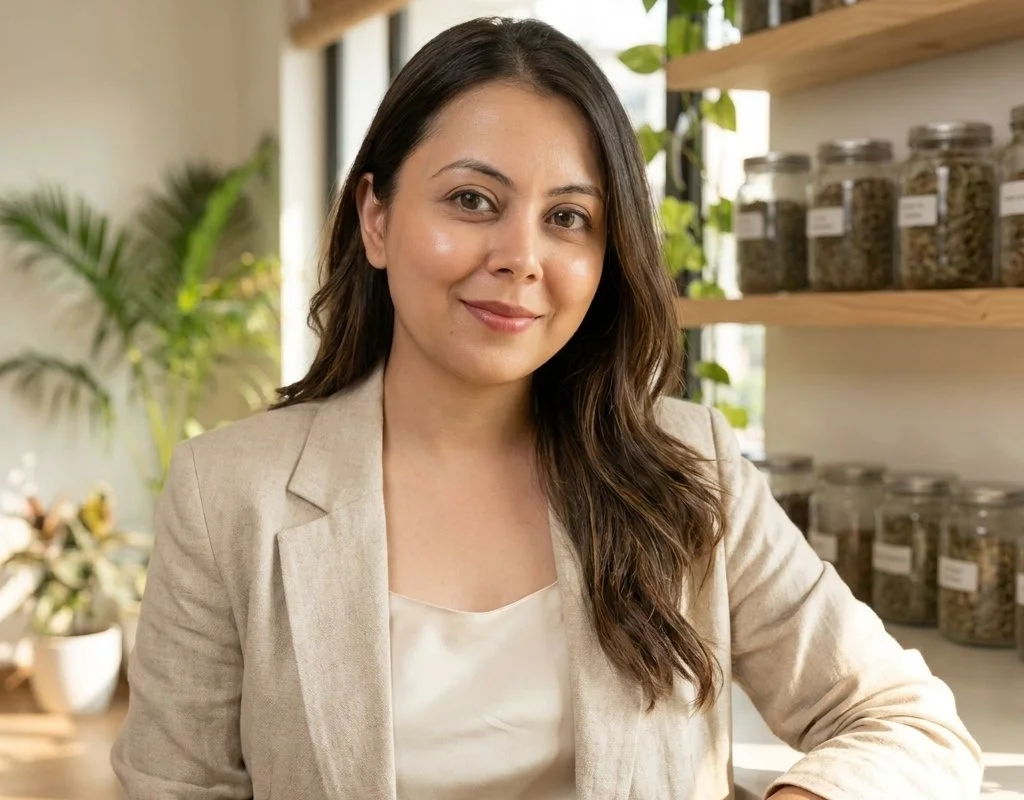
Shreya Chatterjee
NUTRITION WRITER
Shreya is a nutrition writer and the voice behind The Nutrition Pen, where she turns evidence-based nutrition into simple, repeatable eating habits. Her writing focuses on practical food guidance — what to actually put on the plate — for readers who want to eat well without the noise.
Meet the editorial team →METHODOLOGY
How this article was created
Built using verified nutrition databases, culinary research, and traditional cooking knowledge — every claim is cross-referenced against the sources listed in the article.
· USDA data· Culinary research· Quality reviewed
Read our methodology →TRANSPARENCY
About this content
Articles are curated using trusted food databases (USDA FoodData Central, IFCT), culinary literature, and dietary guidelines, then structured by our editorial team for clarity, accuracy, and usefulness.
· Verified data sources· Culinary research· Quality reviewed
Read our editorial policy →RELATED RECIPES
Cook from this article
EXPLORE OUR MEALS
Meals that fit this article

AMERICAN · 1677 CAL
Almonds with Sliced Apple + supplement + iron

MEDITERRANEAN · 809 CAL
Greek Yogurt with Berries Almonds and Granola + supplement + iron

GENERAL_HEALTHY · 705 CAL
Banana with Peanut Butter Pregnancy + supplement + iron
MODERN · 982 CAL
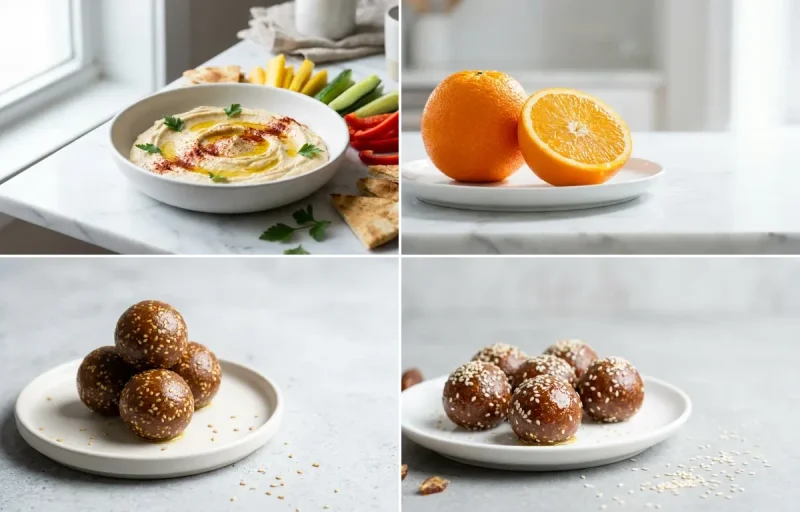
Hummus with Crudits and Pita with Fresh Orange Snack + supplement + iron
TAGGED
KEEP READING