There’s a stubborn myth that vegetarians are forever one bad week away from a protein deficiency — and a second myth that the only fix is to carefully “combine” foods at every meal like a chemistry experiment. Both are wrong. Plenty of vegetarian foods are already complete proteins on their own, and the rest complete each other effortlessly across a normal day of eating. Here’s how protein quality actually works, and the foods that make it easy.
↑ A plant-protein bowl — chickpeas, grains, seeds and greens covering every amino acid you need.
WHAT THIS ARTICLE COVERS
- 01What “complete protein” means
- 02The nine essential amino acids
- 03The protein-combining myth
- 04Complete vegetarian proteins
- 05Protein per serving, ranked
- 06How to complete plant proteins
- 07How much do you actually need?
- 08Putting it on your plate
- 09Who should pay attention
- 10Three high-protein recipes
- 11Frequently asked questions
What “complete protein” means
Protein is built from twenty amino acids. Your body can make eleven of them itself, but the other nine — the essential amino acids — have to come from food. A protein is called “complete” when it contains all nine in roughly the amounts your body needs.
Animal foods are complete by default. Many plant foods are technically “incomplete,” meaning they’re lower in one particular amino acid (called the limiting amino acid) — but a good number of plant foods are complete too, and the incomplete ones are trivially easy to round out. “Incomplete” has never meant “inferior.”
IN ONE LINE
A complete protein has all nine essential amino acids in adequate amounts. Soy, quinoa, hemp and dairy already do; most other plant foods just need a complementary partner across the day. (Eggs aren’t vegetarian, so they’re left off entirely here.)
The nine essential amino acids
These are the nine your body can’t make. A complete protein delivers all of them at once; an eating pattern that mixes grains, legumes, nuts and seeds delivers all of them across the day.
ESSENTIAL AMINO ACIDS
The nine your body can’t make
Get short on any one of these and your body can’t build protein properly — which is why the spread of amino acids in your diet matters as much as the total grams.
01
Histidine
growth & repair
02
Isoleucine
muscle metabolism
03
Leucine
muscle building
04
Lysine
low in grains
05
Methionine
low in legumes
06
Phenylalanine
neurotransmitters
07
Threonine
collagen & skin
08
Tryptophan
serotonin precursor
09
Valine
energy & muscle
COMPLETEGrains run low in lysine; legumes run low in methionine. Notice the pattern — that’s the entire secret to “completing” plant protein.
The protein-combining myth
In the 1970s a popular idea took hold that vegetarians had to eat complementary proteins together at the same meal — rice with beans, in the same bowl, every time — or the protein “wouldn’t count.” It was well-intentioned but wrong, and the author later walked it back.
Your body maintains a pool of amino acids and draws on it throughout the day. You don’t need to engineer each plate. As long as you eat a variety of protein-rich plant foods over the course of a day, the amino acids add up. Eat beans at lunch and rice at dinner and you’re still completely covered.
The headline for vegetarians is simple: eat enough total protein, eat a variety of plant sources, and the amino acids take care of themselves. You don’t have to combine foods at every meal.
— Dr. Lena Hoff, RD
Complete vegetarian proteins
These vegetarian foods carry all nine essential amino acids on their own — no pairing required. Build meals around them and “complete protein” stops being something you have to think about.
ALSO COMPLETE
Amaranth, spirulina, nutritional yeast, teff and pistachios round out the list — handy for sprinkling protein into meals even when they’re not the main event.
Protein per serving, ranked
Quality is only half the story — quantity matters too. Here are 27 vegetarian protein foods ranked by the protein in a typical serving. Each is tagged COMPLETE (all nine amino acids on its own), COMBINE (complete it with a grain or legume), or DAIRY.
ALL 9 ESSENTIAL AMINO ACIDS · PER TYPICAL SERVING
17 complete vegetarian proteins, ranked by the gram
How to complete plant proteins
For everything that isn’t complete on its own, the fix is almost automatic. Grains are low in lysine; legumes are low in methionine. Put the two together — across a meal or a day — and each fills the other’s gap. These classic pairings exist in nearly every cuisine for a reason.
Beans
low in methionine
+
Rice
low in lysine
= COMPLETE
Rice & beans — the global staple, from burritos to rajma chawal.
Chickpeas
low in methionine
+
Wholegrain pita
low in lysine
= COMPLETE
Hummus with wholegrain bread or pita — a complete snack.
Lentils
low in methionine
+
Rice
low in lysine
= COMPLETE
Dal and rice, or a lentil-and-grain soup with bread.
Peanut butter
low in methionine
+
Wholegrain bread
low in lysine
= COMPLETE
A peanut-butter sandwich on wholegrain — quietly complete.
THE RULE OF THUMB
Legume + grain = complete. You don’t have to eat them in the same bite — just somewhere in the same day.
How much do you actually need?
The baseline recommendation is about 0.8 grams of protein per kilogram of body weight per day — roughly 50–60 g for many adults. Active people, older adults, and anyone building muscle do better nearer 1.2–2.0 g/kg. The good news: hitting that on a vegetarian diet is straightforward once a complete source anchors each meal.
01
Anchor every meal with protein
A complete source at breakfast, lunch and dinner — yogurt or paneer, tofu or tempeh, a quinoa bowl — gets most people most of the way there without counting.
3×
meals
02
Snack with intent
Edamame, roasted soybeans, Greek yogurt, hummus with wholegrain, or a handful of hemp seeds turn snacks into another 10–15 g.
+10g
per snack
03
Lean on soy when you need density
Per calorie, soy foods are the most protein-dense plant option — the easiest way to push your total up without huge portions.
19g
tempeh /100g
04
Use seeds as a topping habit
Hemp and chia stirred into oats, yogurt and smoothies add complete protein and healthy fats almost invisibly.
10g
hemp /3 tbsp
Putting it on your plate
01
Pick a complete anchor first.
Start each meal by choosing the protein — tofu, tempeh, yogurt, paneer, edamame or a quinoa base — then build the rest of the plate around it.
02
Default to legume + grain.
When you’re not using a complete source, lean on the oldest trick there is: a pulse with a grain. Beans and rice, dal and roti, hummus and pita.
03
Make seeds a reflex.
Keep hemp and chia by the kettle. A spoon on your oats or yogurt is complete protein you’ll never notice adding.
04
Vary your sources across the week.
Different plants are strong in different amino acids. Rotating soy, grains, legumes, nuts and seeds covers every base automatically.
05
Don’t fear the total.
Most vegetarians who eat enough food and a bit of variety hit their protein target comfortably. Quality follows quantity here, not the other way around.
Who should pay attention
Three high-protein recipes
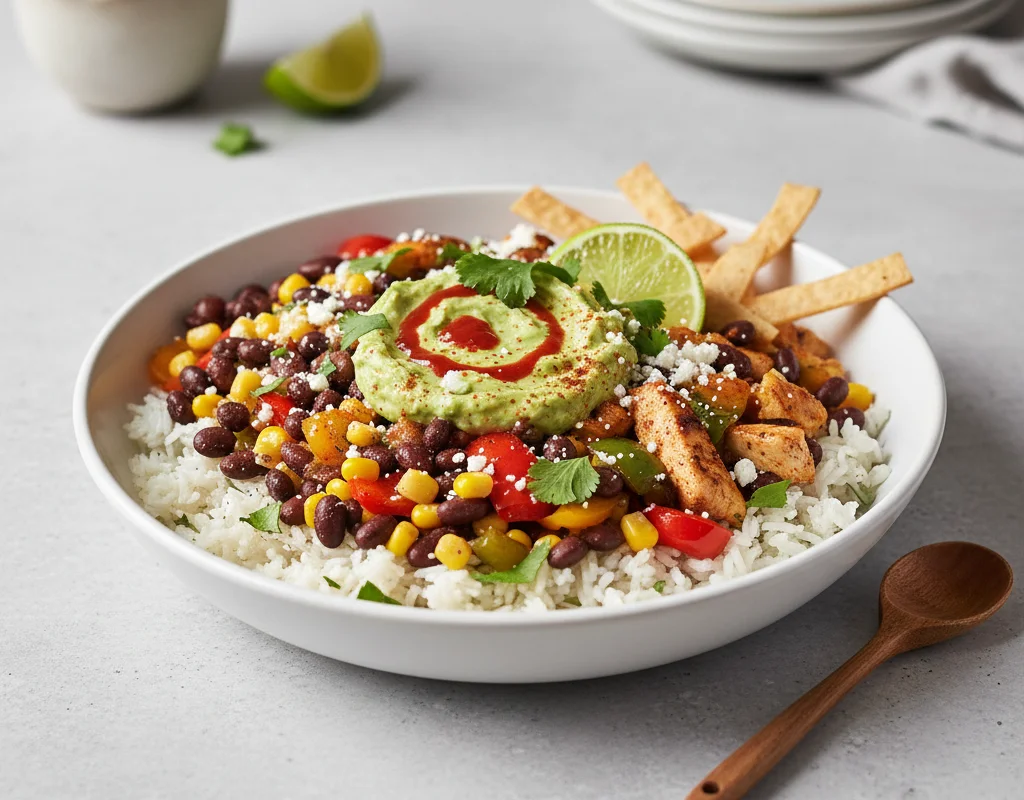
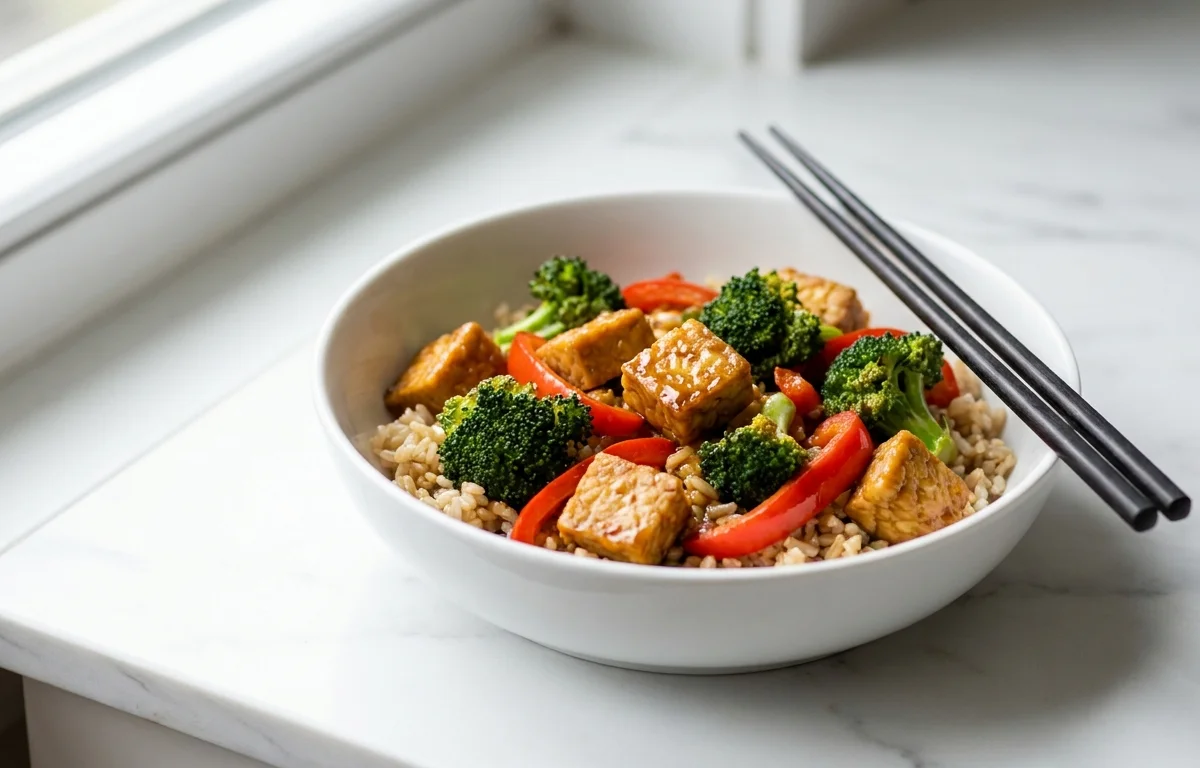
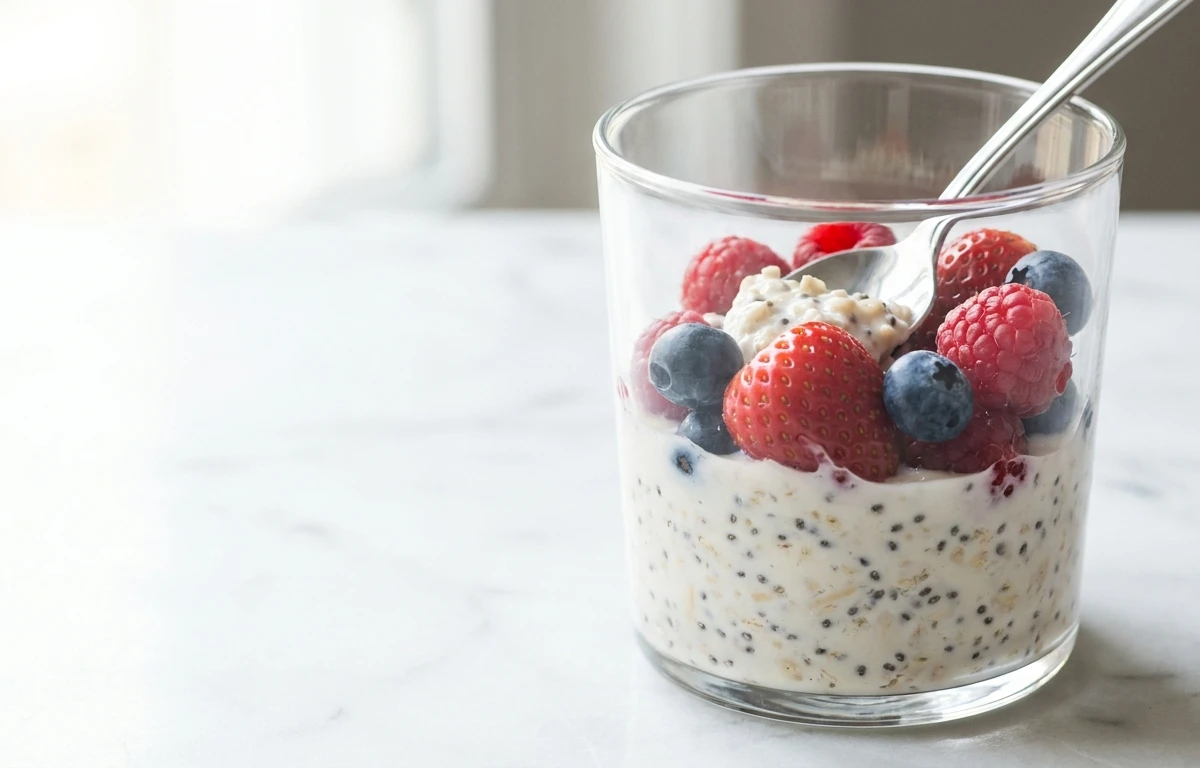
Three vegetarian meals that put complete protein front and centre — one built on combining, two on naturally complete sources.
Want every meal to hit its protein target — automatically?
Our meal planner builds vegetarian days that anchor each meal with complete protein and balance the rest, with grams and macros calculated and a single grocery list at the end.
Build my weekly plan →SOURCES & REFERENCES · 3
One more thing
Eating well is rarely about willpower. It’s about having a short list of dinners you actually want to eat. Pick two from this list. Make them next week. The rest will follow.
If you want these on autopilot, our weekly meal planner can drop the picks above into your calendar with one click and build a single grocery list from the merged ingredients.
FREQUENTLY ASKED QUESTIONS
Frequently asked questions
Do vegetarians really get enough protein?
Yes, easily, with a bit of variety. Most vegetarians who eat enough total food hit their protein needs without trying. Building each meal around a complete source — soy, paneer, dairy, quinoa — makes it effortless.
Do I have to combine proteins at every meal?
No. That old advice has been retired. Your body pools amino acids through the day, so as long as you eat a variety of plant proteins over a day, the amino acids add up — you don’t need to pair them in the same meal.
What are the best complete vegetarian proteins?
Soy foods (tofu, tempeh, edamame, soy milk), quinoa, buckwheat, hemp and chia seeds are all complete plant proteins. For lacto-vegetarians, dairy like Greek yogurt, paneer and cheese is complete and protein-dense too. (Eggs aren’t considered vegetarian here, so they’re left out.)
Is plant protein as good as animal protein?
For meeting your needs, yes — provided you eat enough and vary your sources. Some plant proteins are slightly less digestible or lower in one amino acid, but variety across the day more than makes up for it.
How much protein should a vegetarian aim for?
About 0.8 g per kg of body weight is the baseline — roughly 50–60 g for many adults. Active people, older adults and those building muscle do better around 1.2–2.0 g/kg.
Are beans and rice a complete protein?
Together, yes. Beans are low in methionine and rice is low in lysine, so each fills the other’s gap. Eaten across the same day, they provide all nine essential amino acids.
METHODOLOGY
How this article was created
Built using verified nutrition databases, culinary research, and traditional cooking knowledge — every claim is cross-referenced against the sources listed in the article.
· USDA data· Culinary research· Quality reviewed
Read our methodology →TRANSPARENCY
About this content
Articles are curated using trusted food databases (USDA FoodData Central, IFCT), culinary literature, and dietary guidelines, then structured by our editorial team for clarity, accuracy, and usefulness.
· Verified data sources· Culinary research· Quality reviewed
Read our editorial policy →EXPLORE OUR MEALS
Meals that fit this article

AMERICAN · 1677 CAL
Almonds with Sliced Apple + supplement + iron

MEDITERRANEAN · 809 CAL
Greek Yogurt with Berries Almonds and Granola + supplement + iron

GENERAL_HEALTHY · 705 CAL
Banana with Peanut Butter Pregnancy + supplement + iron
MODERN · 982 CAL
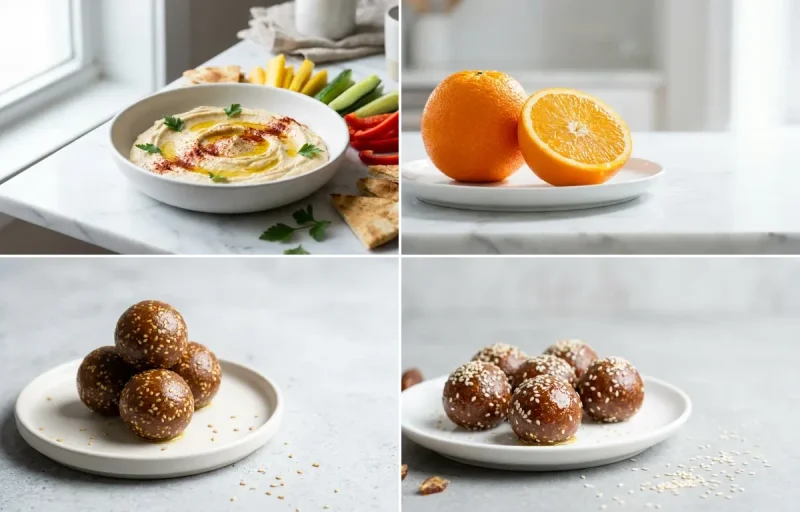
Hummus with Crudits and Pita with Fresh Orange Snack + supplement + iron
TAGGED
KEEP READING